Our Lady of Mount Carmel: The Scapular, Mount Carmel, and Marian Spirituality
Who Is Our Lady of Mount Carmel?
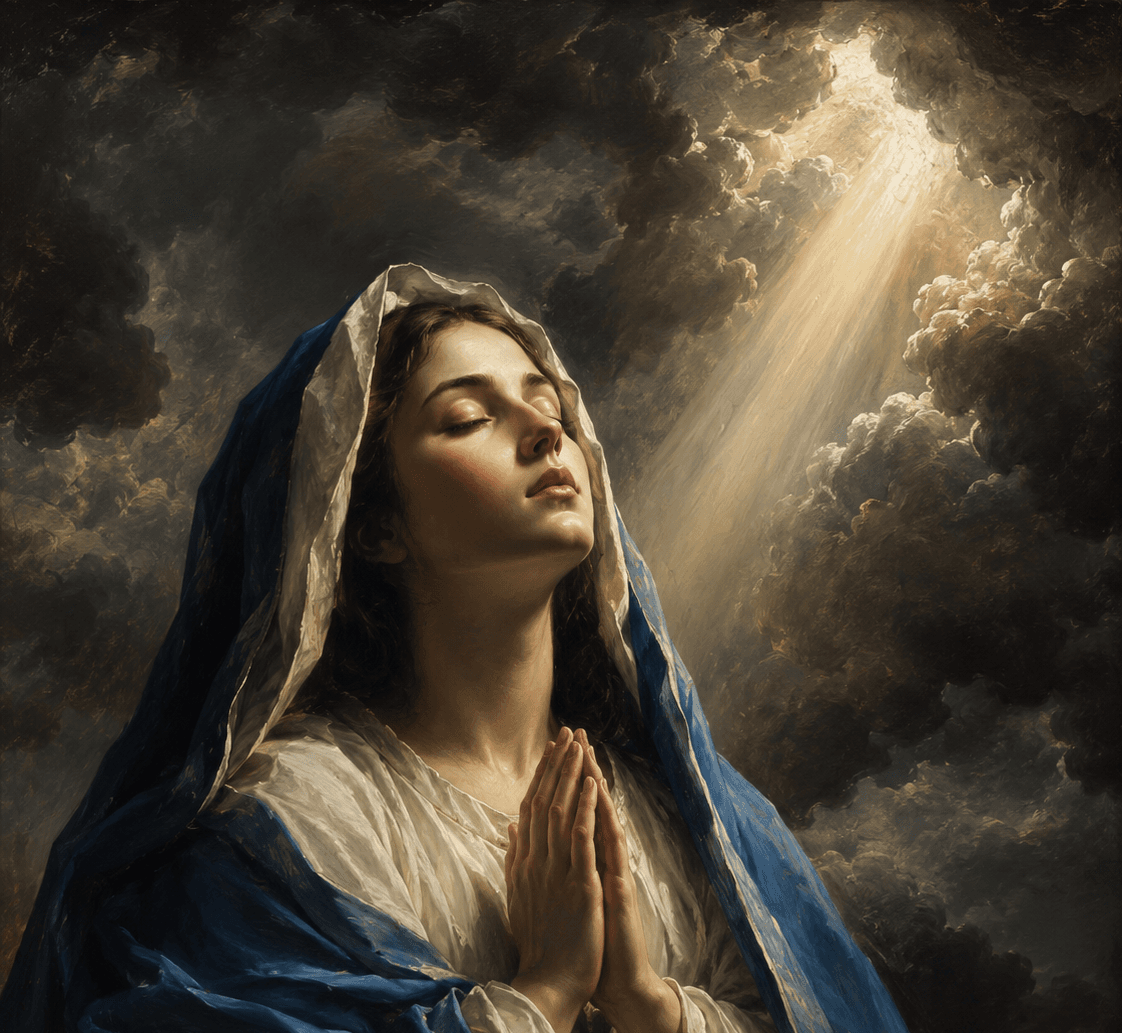
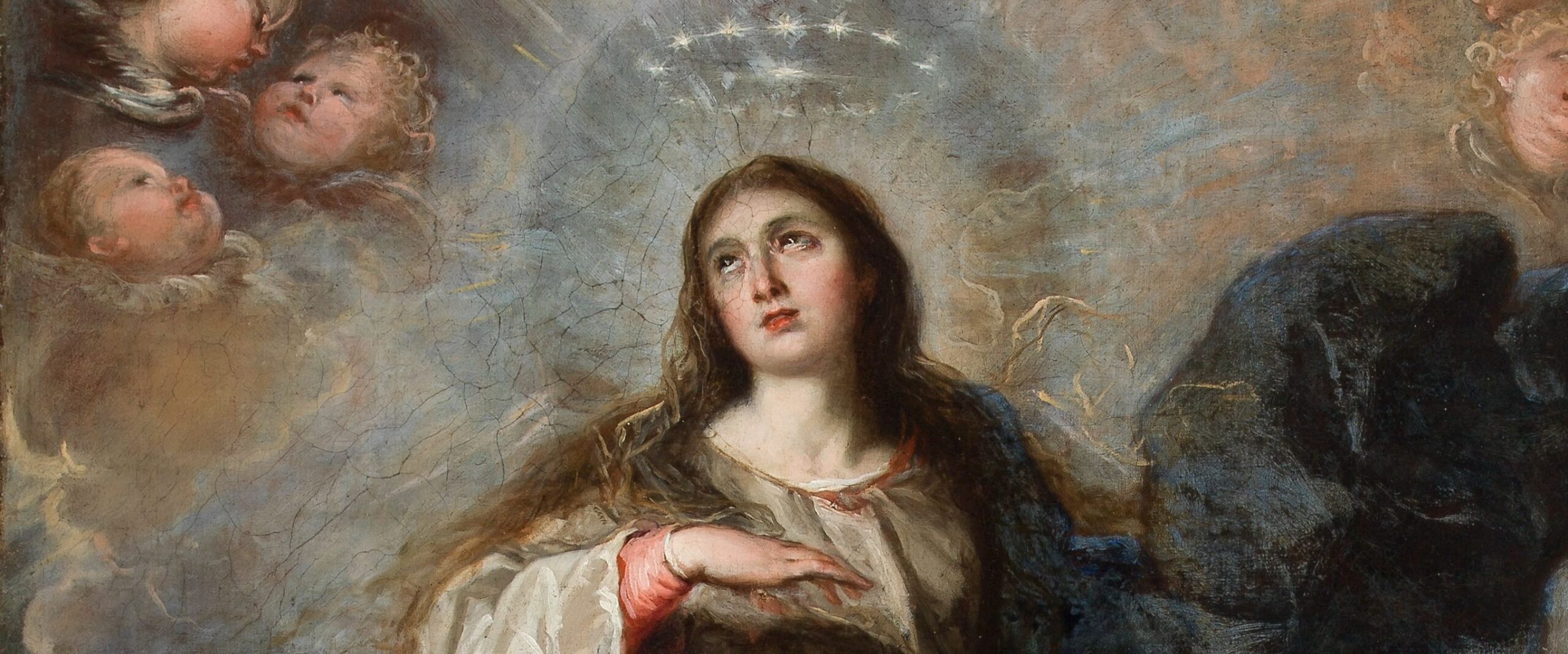
Our Lady of Mount Carmel is the title given to the Virgin Mary in the tradition of the Order of Carmel, the religious order founded on Mount Carmel, in present-day Israel, by twelfth-century hermits who lived under the invocation of Mary. Her feast is celebrated on July 16, recalling the apparition of Our Lady to Blessed Simon Stock in 1251, in which she is said to have given him the Carmelite scapular.
Our Lady of Mount Carmel is one of the oldest and most beloved Marian devotions in Catholicism. In Brazil, it is closely linked to the city of São João del Rei and to countless Baroque churches of Carmelite inspiration spread throughout the country.
Mount Carmel: The Origins of the Devotion
Mount Carmel is a mountain range in northern Israel, famous in the Bible for the encounter between the prophet Elijah and the prophets of Baal (1 Kgs 18). From antiquity, this mountain had an atmosphere of contemplative sacredness. In the twelfth century, crusaders and pilgrims returning from the Holy Land settled there as hermits, inspired by the figure of Elijah and by the tradition that the prophet himself had beheld on that mountain a “little cloud like a man’s hand” (1 Kgs 18:44), which tradition interpreted as a prefiguration of Mary.
The first Carmelites built a small chapel on Carmel dedicated to the Virgin Mary, making her the patroness of their contemplative life. It is from this early dedication that the title “Our Lady of Mount Carmel,” or simply “Our Lady of Carmel,” was born.
The Scapular: Mary’s Habit
The most characteristic element of devotion to Our Lady of Mount Carmel is the Carmelite scapular: two small pieces of brown wool cloth, joined by cords, worn around the neck and over the shoulders. According to tradition, Our Lady appeared to Blessed Simon Stock, Prior General of the Carmelites, on July 16, 1251, and gave him the scapular with a promise: whoever died wearing it would not suffer eternal fire.
The scapular is understood as Mary’s “habit,” an outward way of sharing in Carmelite Marian spirituality, by which one commits oneself to living under the protection and patronage of Our Lady. Its meaning is neither magical nor automatic: it presupposes a life of faith, conversion, and genuine Marian devotion.
Carmelite Spirituality and Mary
Carmelite spirituality, whose foremost exponents include figures such as Saint Teresa of Avila, Saint John of the Cross, Saint Thérèse of Lisieux, and Blessed Elizabeth of the Trinity, has Mary at its center as the model of the contemplative life. Mary is the “elder sister” of the Carmelites: the one who heard the Word and kept it in her heart (Lk 2:19), who prayed with the apostles in the Upper Room (Acts 1:14), who lived wholly turned toward God.
In Marian Theology, Carmelite spirituality represents one of the deepest currents of the mystical tradition: Mary as the “type” or model of the contemplative soul, as the Woman of the Spirit (cf. the Magnificat), as a maternal presence accompanying the journey of Carmel.
Our Lady of Mount Carmel in Brazil
In Brazil, devotion to Our Lady of Mount Carmel arrived with the first Carmelite missionaries in the seventeenth century. The Carmelite churches in Salvador, Recife, São Paulo, Rio de Janeiro, and São João del Rei are among the Baroque jewels of Brazilian sacred art. The feast of July 16 is celebrated with processions and solemn Masses throughout the country.
Popular devotion to the scapular remains alive in Brazil: it is common to see young people and adults wearing the brown scapular as a sign of consecration to Our Lady of Mount Carmel and as a plea for maternal protection.
Mary, Carmel, and Spiritual Formation
The spirituality of Our Lady of Mount Carmel is an invitation to a life of prayer, of listening to the Word, and of trusting surrender to Mary’s maternal protection. This spiritual dimension is inseparable from theology: academic Mariology studies the relationship between Mary and the contemplative life, and between popular devotion to the scapular and the theology of Marian mediation.
In its Postgraduate Program in Mariology, Locus Mariologicus offers a formation that integrates the academic and the spiritual dimensions, following the example of Mary, who knew how to keep the Word in her heart and proclaim it to the world in the Magnificat.
Who is Our Lady of Mount Carmel?
Our Lady of Mount Carmel is the title of Mary venerated by the Carmelite Order, founded on Mount Carmel (Israel) in the twelfth century. Tradition associates the giving of the scapular of Our Lady of Mount Carmel with Saint Simon Stock, in 1251, together with the promise of special protection for those who wear it with devotion and purity of life.
What is the scapular of Our Lady of Mount Carmel?
The Carmelite scapular is a sign of consecration to Mary and of belonging to the Order of Carmel. It consists of two pieces of brown cloth joined by cords, worn around the neck and over the shoulders. It is one of the most widespread Marian sacramentals in the Church, associated with the Marian promise of the Sabbatine privilege.
When is the feast of Our Lady of Mount Carmel celebrated?
The liturgical feast of Our Lady of Mount Carmel is celebrated on July 16, a date associated with the apparition of Our Lady to Saint Simon Stock. It is one of the most widely celebrated Marian feasts of July in the world, especially in Portugal and Brazil, with processions, solemn Masses, and the renewal of consecration.
Devotion to Our Lady of Mount Carmel fits within the authentic Marian devotion described in Paul VI’s apostolic exhortation Marialis Cultus, which directs Marian piety toward Christ.
Delve deeper into your studies: explore Mariology, Marian Theology, Marian apparitions, the Postgraduate Program in Mariology, Angelology, and the Frequently Asked Questions.
Postgraduate Program in Mariology
Would you like to deepen your formation in Mariology? Discover the Postgraduate Program in Mariology of Locus Mariologicus, an academic formation that unites theological rigor, spiritual life, and the living tradition of the Church.
Would you like to study Mariology seriously?
This article grows out of the works in the Locus Mariologicus library. The Postgraduate Program in Mariology takes you to the same source, with academic guidance: Scripture, the Fathers of the Church, and the Magisterium, from the first dogma to contemporary questions.



Responses