Is Mary (2024) Mariology?
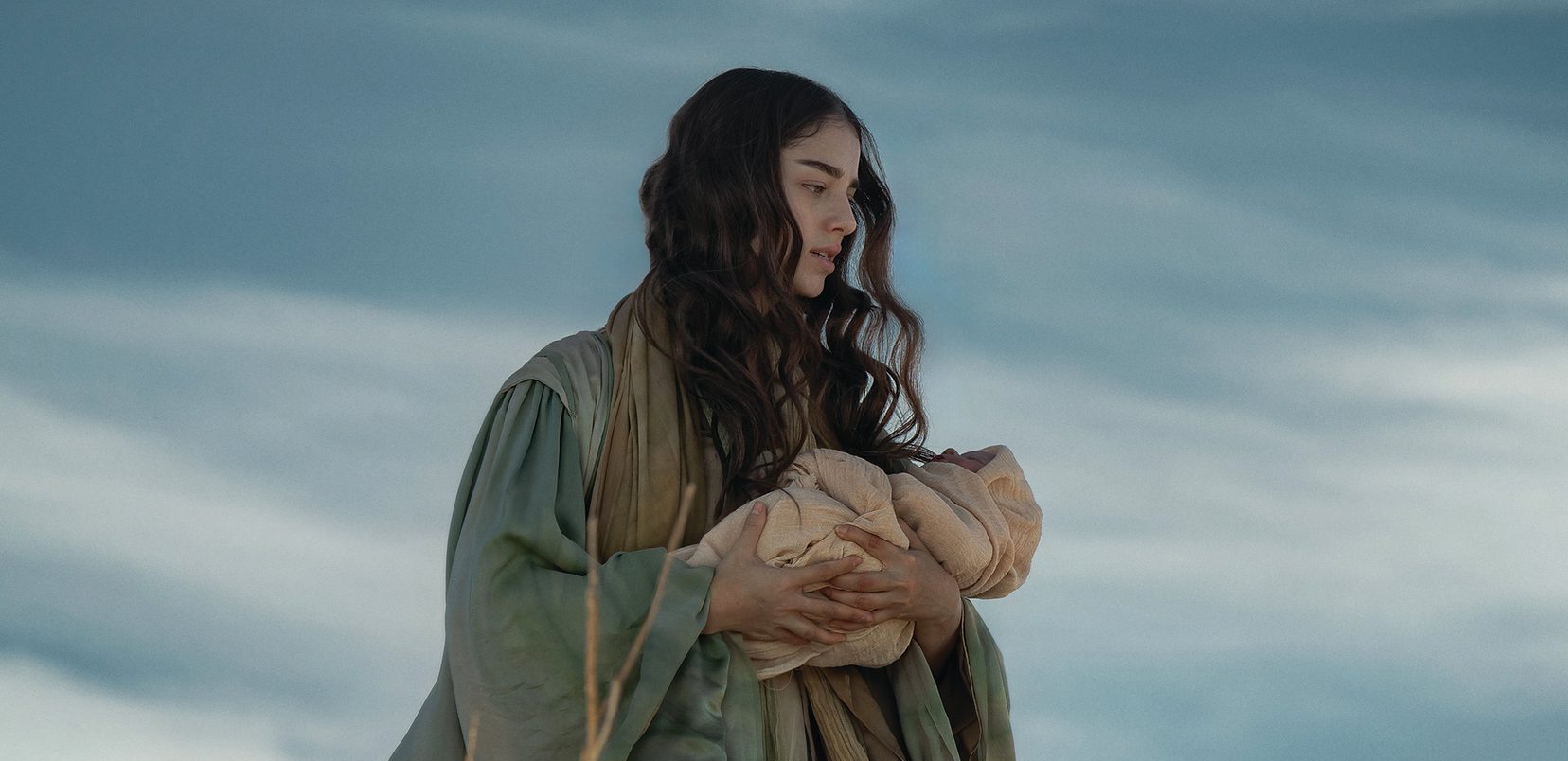
D.J. Caruso’s Film Mary (2024): Fidelity to the Exegetical and Dogmatic Tradition or Excessive Dramatization?
Analysis of the Film Mary (2024)
The film Mary (2024), directed by D.J. Caruso, represents a contemporary effort to reinterpret the story of the mother of Jesus, using modern cinematic elements and a narrative that seeks to attract a diverse audience. However, the work raises questions about doctrinal fidelity, narrative balance, and pastoral impact.
Inter mirifica and Miranda prorsus: Magisterial Criteria for Religious Representation in Film
According to documents such as Inter Mirifica and Miranda Prorsus, films that deal with religious themes must present the truth faithfully, especially the revealed truths of the Christian faith. In the case of Mary, a significant departure from this principle can be observed in several portrayals, such as the inclusion of non-historical, dramatic elements that compromise doctrinal accuracy.
For example, the film dramatizes Mary’s relationship with the devil, presenting her as the target of supernatural temptations. Although this may enrich the cinematic narrative, it is theologically questionable, given that, as Fathers of the Church such as Ignatius of Antioch emphasized, Mary’s virginity and motherhood were hidden from the “prince of this world” and protected by a divine mystery.
The dramatization of scenes such as the flight into Egypt and the massacre of the innocents, while it attempts to link Mary to a heroic journey, distorts the biblical account. Such insertions, though striking, lack support in Scripture or Tradition.
Mary versus Herod: The Symbolic Contrasts of Light and Darkness, Obedience and Madness in the Film
The film makes frequent use of symbolic contrasts between Mary and Herod: light versus darkness, obedience versus madness, virtue versus vice. These elements are effective in building a dramatic plot, but they raise questions about an excessive simplification of the figure of Mary. Mary should be portrayed with spiritual depth, emphasizing her obedience and humility as responses to the divine call, and not as a conventional heroine.
Moreover, Mary explores themes with little grounding in Tradition, such as the suggestion that Mary openly questioned marriage or defied the norms of the temple. These elements dramatize the conflict, but they create a disconnect from the traditional figure of Mary, who is presented in the Bible as a model of trusting submission to the divine will.
Communio et progressio and aetatis novae: Theological Fidelity and Technical Innovation in Marian Cinema
From the perspective of documents such as Communio et Progressio and Aetatis Novae, integrating the Christian message into the “new culture” of cinema requires a balance between technical innovation and theological fidelity. The film employs impressive cinematography and a dynamic narrative to attract contemporary audiences, but this often comes at the expense of reverence and doctrinal accuracy.
The use of dramatic effects, such as tattoos on the body of the angel Gabriel or exaggerated fight scenes involving Joseph, diverts attention from the spiritual message. Such narrative choices may alienate more traditional viewers, limiting the pastoral impact of the work. The film fails to present Mary as a universal and accessible figure in keeping with Christian Tradition.
Mary (2024) in Catechesis: The Opportunity and Limits of the Pastoral Use of Marian Cinema
Mary offers a starting point for cultural discussions about the figure of Mary, but caution is needed when using films with Marian symbolism for catechesis. The work departs from the traditional presentation of Mary as a model of Christian virtue, emphasizing external conflicts and narrative choices that dilute her spiritual mission.
The thesis emphasizes that films about Mary should serve as praeambula fidei, or preambles of faith, facilitating a deeper grasp of Gospel themes. Mary, however, lacks this effectiveness because its approach is focused more on spectacle than on spirituality.
Innovation without Reverence: The Excessive Dramatization and Theological Insufficiency of Mary (2024)
Mary (2024) is a bold attempt to modernize the Marian narrative, but, in light of magisterial criteria, it is a work that fails to balance innovation with reverence. Its excessive dramatization and narrative choices with little grounding in Tradition compromise its usefulness as a catechetical tool and its fidelity to the Christian message.
For contemporary audiences, the film may be an interesting introduction to the figure of Mary, but it is no substitute for more solid, in-depth spiritual and theological study. The work thus points to the need for greater care in producing religious films that aim to unite art, faith, and culture.
For a future film about Mary to achieve catechetical, cultural, and artistic impact, it is essential that the production be accompanied by theologians, specialists in Mariology, and filmmakers experienced in religious storytelling. Cooperation among these groups can ensure a work that balances contemporary relevance with fidelity to the Christian tradition.
This approach can renew interest in the figure of Mary and also inspire a new generation of the faithful to understand and appreciate her central importance in salvation history.
Recommended reading: Marialis Cultus (Paul VI), an apostolic exhortation on Marian devotion.
Delve deeper into your studies: explore Mariology, Marian Theology, Marian apparitions, and the Postgraduate Program in Mariology.
The Locus Mariologicus Institute is the global academic reference in Mariology. Discover our resources on Marian Theology, Marian apparitions, and the Postgraduate Program in Mariology.
Postgraduate Program in Mariology
Would you like to deepen your formation in Mariology? Discover the Postgraduate Program in Mariology of Locus Mariologicus, an academic formation that unites theological rigor, spiritual life, and the living tradition of the Church.
Would you like to study Mariology seriously?
This article grows out of the works in the Locus Mariologicus library. The Postgraduate Program in Mariology takes you to the same source, with academic guidance: Scripture, the Fathers of the Church, and the Magisterium, from the first dogma to contemporary questions.




Responses