Mary and Israel: the Daughter of Zion as a Compendium of the People of God
Mary and Israel: the Daughter of Zion as a Compendium of the People of God
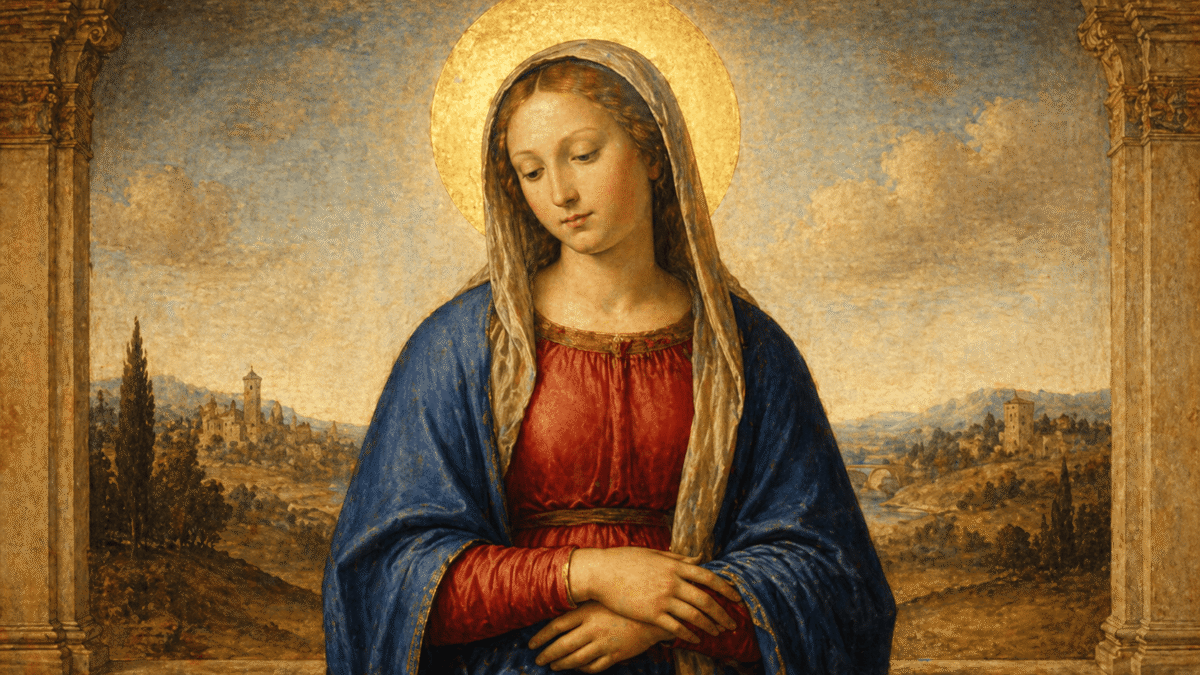
The Second Vatican Council calls Mary the “exalted Daughter of Zion” (Lumen Gentium 55), a title new in the Magisterium and almost absent from the manuals of theology. This title expresses a fundamental discovery of contemporary biblical Mariology: in Mary the whole history of Israel converges, and it is in her that the Old Testament reaches its point of maturation and fulfillment. For the full article: Daughter of Zion.
The theme of the prodigious birth: from Sarah to Mary
The Old Testament repeatedly recounts the miracle of life born of barrenness: Sarah, Rebekah, Rachel, Hannah, mothers whose son is pure gift of God, not fruit of human power. The heavenly messenger at Mamre asks: “Is anything impossible for the Lord?” (Gen 18:14). This question remains suspended for two millennia, until a new heavenly messenger takes it up in affirmative form before Mary: “Nothing is impossible for God” (Lk 1:37). Mary’s virginal conception is the point of convergence of this tradition and the immediate preparation for the “supreme manifestation of the mystery of life”: the Resurrection.
The faith of Abraham and the faith of Mary
Mary’s “yes” to the divine announcement points back to the way Abraham and Sarah welcomed the promise of a son. If the intensity is different — Abraham and Sarah even laugh in disbelief — the “quality” is the same: the dawn of the history of Israel and the beginning of its culminating point find two similar acts of abandonment to God, two acts of faith in the “God of life”. From Abraham to Mary the supreme act of faith is prepared, the act by which Jesus delivers His life into the hands of the Father: “Into your hands I commend my spirit” (Ps 31:6; Lk 23:46).
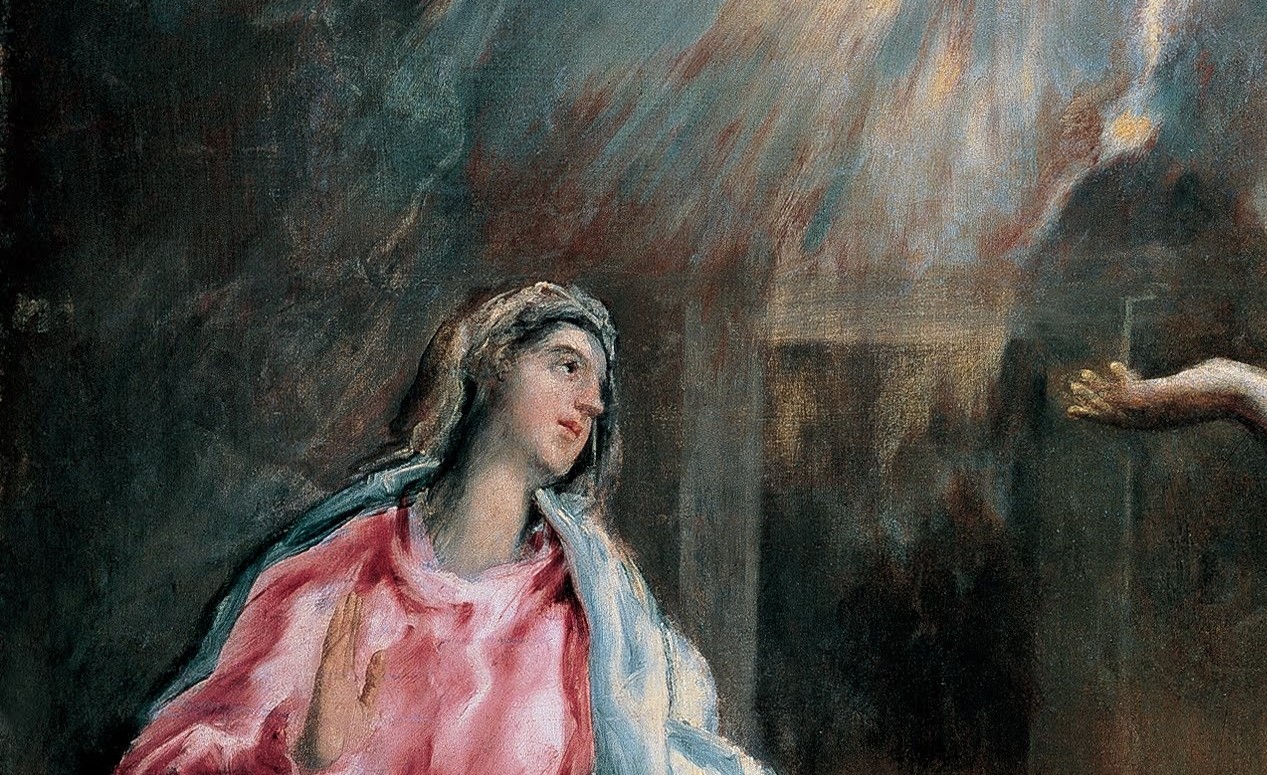
The Annunciation as a scene of covenant
The angel’s announcement to Mary is composed according to a literary genre of covenant. At Sinai, the people answer the mediator three times: “All that the Lord has said we will do” (Ex 19:8; 24:3, 7). In the Lucan scene, the mediator is the angel and Mary takes the place of the people. Israel’s “yes” at Sinai echoes down through history until it resounds, in a complete adherence, on the lips of the Virgin. The Magnificat (Lk 1:46-55) takes up the song of Israel set free from Egypt (Ex 15); the “great things” that God has done in Mary are the magnalia Dei of the history of salvation.
Mary as the “remnant”, the “handmaid” and the “ark” of Israel
Three Old Testament titles converge in Mary. First, the “remnant of Israel” (Is 4:2-3): the small and hidden seed in which the life-giving power of God is concentrated, an unknown young woman from an obscure village, filled with the Spirit. Second, the “handmaid of the Lord”: the only title Mary attributes to herself (Lk 1:38), one that points back to the Servant of YHWH of Deutero-Isaiah and to all the patriarchs, the prophets, and Israel itself (Is 41:8). In her “fiat” resounds the “yes” of Israel at Sinai. Third, the “holy ark”: Luke uses the verb episkiazo (“to overshadow”) that the LXX employs for the cloud enveloping the Ark (Ex 40:35). In the Visitation, Mary’s journey “to the hill country of Judah” and the three months of her stay directly evoke the transfer of the Ark (2 Sam 6:2, 11).
Ecumenical dimension
The fundamental themes of the Marian tradition find echoes in the Jewish sources: the universal motherhood of Sarah, Miriam’s prophecy about her brother, the merits of the “mothers of Israel” for the redemption of the people. This fact documents “the existence of a fundamental affinity” between the two traditions and “a common humus”, bringing to light the deep bond that unites Jews and Christians. Mary is not an obstacle but a possible bridge in ecumenical dialogue, the daughter of Israel who, by grace, became the Mother of the Messiah promised to the people.
Deepen your studies: explore Mariology, Mother of God, Marian Theology, and the Postgraduate Program in Mariology.
Magisterium of the Church
Maria, Filia Sion per excellentiam, in seipsa recapitulat et repraesentat omnem expectationem populi israelitici, et in ea adimpletur promissio.
Second Vatican Council, Dogmatic Const. Lumen Gentium, no. 55
📚 Literal translation: Mary, Daughter of Zion par excellence, recapitulates and represents in herself the whole hope of the Israelite people, and in her the promise is fulfilled.
Postgraduate Program in Mariology
Would you like to deepen your formation in Mariology? Discover the Postgraduate Program in Mariology of Locus Mariologicus – an academic formation that unites theological rigor, spiritual life, and the living tradition of the Church.
Learn what the Church teaches about Mary, Mediatrix of All Graces.
Would you like to study Mariology seriously?
This article grows out of the works in the Locus Mariologicus library. The Postgraduate Program in Mariology takes you to the same source, with academic guidance: Scripture, the Fathers of the Church, and the Magisterium, from the first dogma to contemporary questions.
Responses