The Joys of Mary: The Joyful Dimension of Mariology
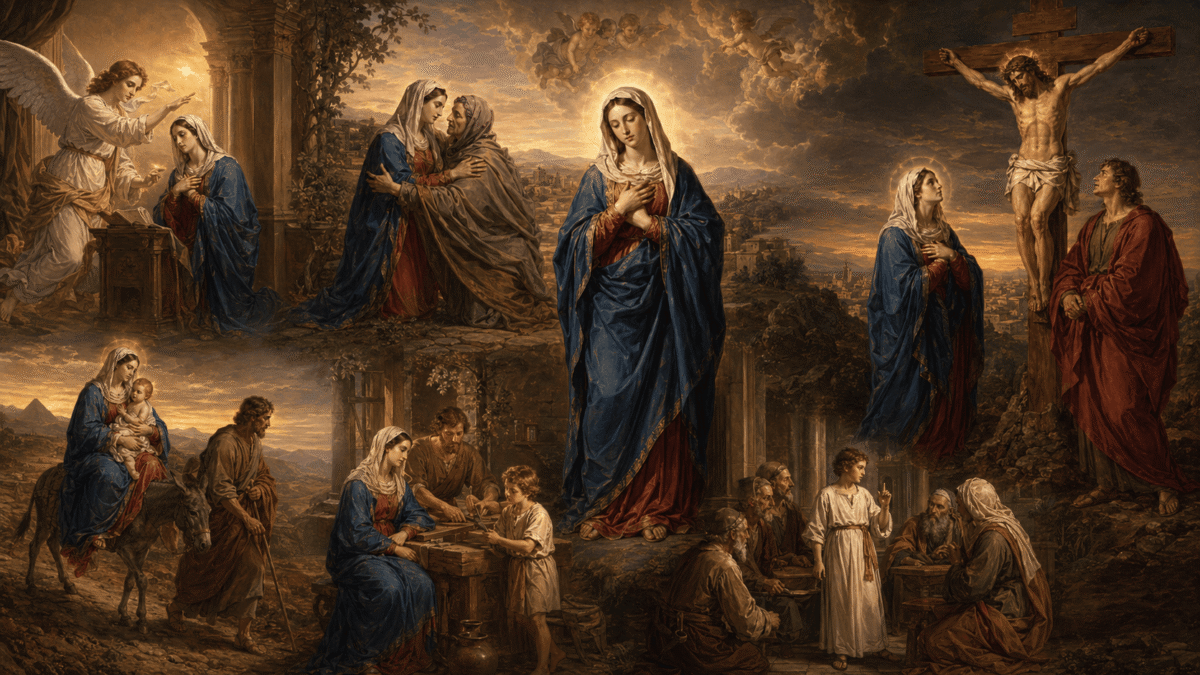
The Joys of Mary, the Joyful Dimension of Mariology
Devotion to the joys of Mary stands as the balancing counterpoint to the meditation on the Sorrows of Mary. While sorrow unites Mary to the redemptive suffering of Christ, the joys celebrate the moments of jubilation and of grace that marked her life.
The Seven Joys
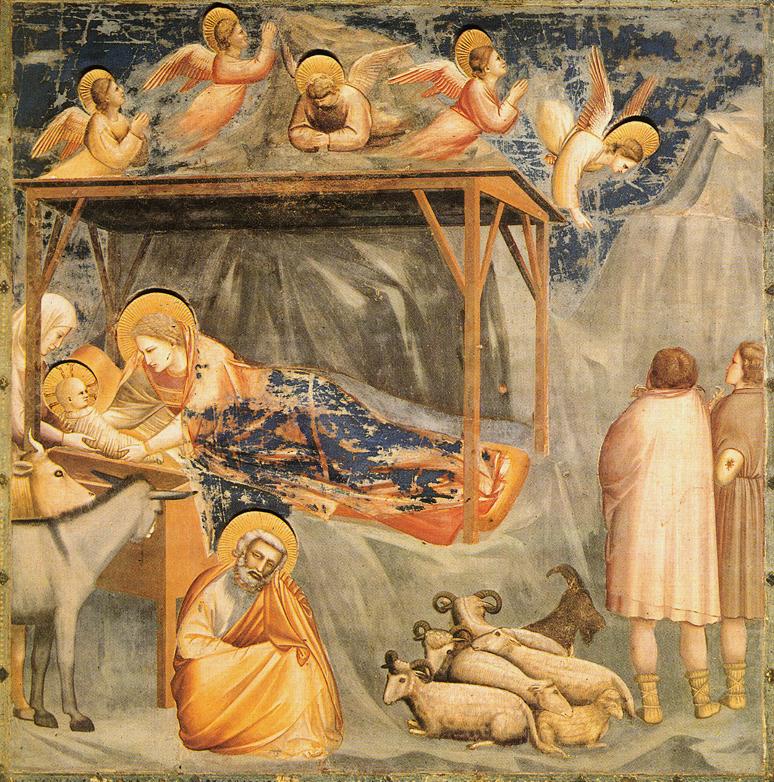
Tradition, especially the Franciscan tradition, enumerates seven joys: 1) the Annunciation of the Angel, 2) the Visitation to Elizabeth, 3) the Birth of Jesus, 4) the adoration of the Magi, 5) the finding of Jesus in the Temple (Recouvrement), 6) the Resurrection, 7) the Assumption into Heaven. Each joy is meditated upon as a participation in the salvation wrought by Christ.
The Magnificat as the Canticle of the Joys
The Magnificat is the most perfect expression of the joys of Mary. “My soul magnifies the Lord, and my spirit exults in God my Savior”: this incipit reveals a Mary overflowing with joy in God, who recognizes great works in herself. The Magnificat is the pedagogy of Christian joys.
Franciscan Spirituality
Devotion to the Joys of Mary was cultivated in the Franciscan tradition. Saint Francis of Assisi prayed a crown of seven Our Fathers in memory of the seven joys of Mary. This devotion is the origin of the Corona Franciscana (Crown of Seven Joys), still prayed in Franciscan friaries.
Deepen your studies: explore Mariology, Marian Theology, Marian apparitions, and the Postgraduate Program in Mariology.
Magisterium of the Church
Exsultat in gaudio Maria, quia magna fecit ei Omnipotens, et sanctum nomen eius.
Luke 1:49 (Vulgata Clementina)
📚. Literal translation: Mary rejoices, because the Almighty has done great works for her, and His name is holy.
Magnificat anima mea Dominum, et exsultavit spiritus meus in Deo salutari meo.
Lucas 1,46-47 (Vulgata Clementina, Canticum Mariae)
📚. Literal translation: My soul magnifies the Lord, and my spirit rejoices in God, my Savior.
Postgraduate Program in Mariology
Would you like to deepen your formation in Mariology? Discover the Postgraduate Program in Mariology of Locus Mariologicus, an academic formation that unites theological rigor, spiritual life, and the living tradition of the Church.
Would you like to study Mariology seriously?
This article grows out of the works in the Locus Mariologicus library. The Postgraduate Program in Mariology takes you to the same source, with academic guidance: Scripture, the Fathers of the Church, and the Magisterium, from the first dogma to contemporary questions.

Responses