“Therefore, be vigilant.”
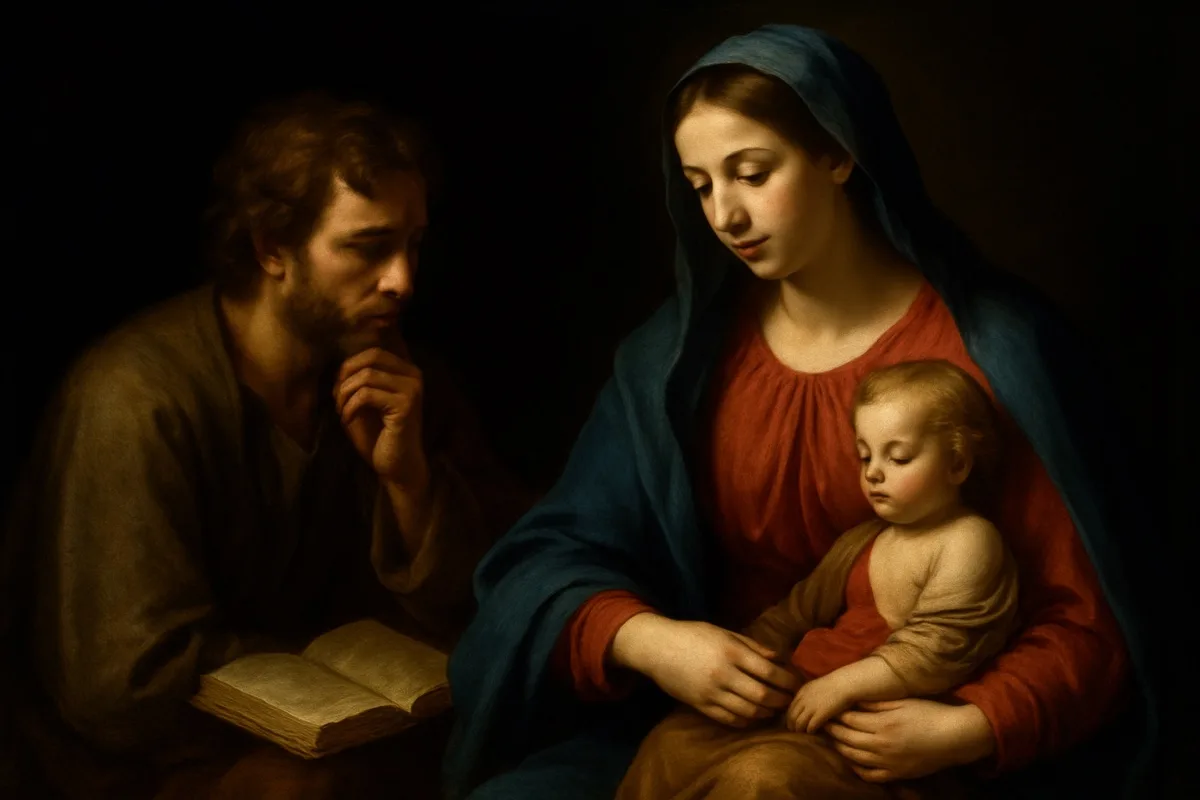
By Prof. Dr. Daniel C. Afonso · Updated
Vigilate itaque omni tempore, orantes ut digni habeamini fugere ista omnia quae futura sunt, et stare ante Filium hominis.
Lc 21,36
The Monday after the Solemnity of Christ the King, in the last week of the Liturgical Year, joins Daniel 1, where Daniel and his three companions are taken captive to Babylon, formed in the Chaldean culture, but Daniel refuses the food and wine from the king’s table to avoid contamination, and God endows them with “a distinct and excellent countenance” (Dan 1:15).Knowledge and intelligence throughout literature and wisdom“Superior to the wisdom of magi and soothsayers, as in Lk 21 where Jesus concludes his eschatological discourse with the exhortation: «”Beware, lest your hearts be hardened by debauchery, drunkenness, and the cares of life, so that that day may not come upon you unexpectedly.Both texts describe the same fidelity amidst a hostile world: Daniel refusing the food of Babylon (Dan 1) and the disciples being told to keep their hearts vigilant (Lk 21). Mary, who lived in the world but was not of it, and whose prayer never ceased to watch over, is the model of this double fidelity.
I. The first reading: Daniel 1:1-6.8-20
Nebuchadnezzar takes Jerusalem into exile and selects young Jews for his court:young people without physical defect, of beautiful figure, instructed in all wisdom, skilled in science and sharp in intelligence(v.4). Daniel, Ananias, Misael, and Azarias are chosen and receive Babylonian names (v.6-7): the first attempt at assimilation is the change of name, the erosion of identity. But «Daniel resolved not to defile himself with the king’s food or with the wine he drank.“The refusal is interior before it is exterior, it arises from a decision of the heart.”
God rewards faithfulness: the four young men are in better physical condition than the others (v.15-16), and at the end of the ten days, they areTen times wiser than all the magi and soothsayers throughout the kingdom.” (v.20). Fidelity to the God of Israel in a foreign land does not weaken Daniel but strengthens him. Exile in Babylon does not erase identity, but confirms it for those who do not yield to assimilation.”
II. The Gospel: Lk 21:34-36
Jesus concludes the eschatological discourse of chapter 21 with three warnings and an exhortation. First, the danger of apathy: «Beware, let not your hearts be hardened by debauchery, drunkenness, and the cares of life.“The numbness does not come only from a grave sin but from”Concerns of life“, the daily noise that will lull the heart to sleep. Second, the unpredictability of the “day‘: ‘“Will suddenly come upon all who dwell on the face of the earth”“(v.35), as a trap for the unwary. Thirdly, the positive exhortation: ”“Be watchful and pray at all times, that you may be deemed worthy to escape all that is to come, and to stand before the Son of Man.”“(v.36)”
The watchfulness of Luke 21:36 is active watchfulness: not just to avoid sleep, but to continually feed the heart with prayer. Daniel in Daniel 1 is the paradigmatic Old Testament example of this active watchfulness: not only did he refuse the food of Babylon, but he asked God for an alternative (v. 8-13).
III. Faithfulness in exile and vigilance in the world: the same posture
Daniel 1 and Luke 21 describe the same posture of the faithful in the world from two angles. Daniel in Babylon is the faithful who lives in an environment that seeks to assimilate him: the king’s table food is the equivalent of the Old Testament of the “fleshly” ways of the world. Both passages highlight the struggle between remaining faithful to God and conforming to the cultural norms of the surrounding society.Concerns of life“Both harden the heart and erode identity. Daniel’s refusal is the active vigilance of Luke 21: not to let the heart become numbed.”
The reward of Daniel, to beTen times more wise“It is the promise of Lk 21:15: ‘There will be signs in the sun, the moon, and the stars…'”I will give you a eloquence and wisdom.“The fidelity in the exile of Babylon and the fidelity in the eschatological vigil have the same consequence: a wisdom that does not come from the world but from God.”
IV. Mary: a vigilant one who never becomes dull
Mary is the perfect model of watchfulness as described in Luke 21:36. She never allowed her heart to become dull.Concerns of life“, although she had her own. She lived in Nazareth, in a common setting, but maintained a constant interior focus on what God was revealing:She kept all these things and pondered them in her heart.(Luke 2:19, 51)
As Daniel in Babylon, Mary lived in the world without being absorbed by it. She did not refuse foods From her daily life, she worked, cared for the home, raised the Son, but did not allow these tasks to replace the table of God. On the Monday after Christ the King, inviting us at the threshold of the new Liturgical Year that begins with Advent, to renew with Mary the watchfulness of the heart: to pray at all times, not to allow the heart to become numb, to stand firm before the Son of God.
Postgraduate specialisation in Mariology
Would you like to deepen your formation in Mariology? The Locus Mariologicus postgraduate programme is a specialisation that brings together theological rigour, spiritual life and the living tradition of the Church. The next class begins in 2027.
Responses