Immaculate Conception Dogma: The Medieval Debate and the 1854 Definition

The dogma of the Immaculate Conception: the long road from the medieval theological debate to the 1854 definition.
The Dogma of the Immaculate Conception: Introduction
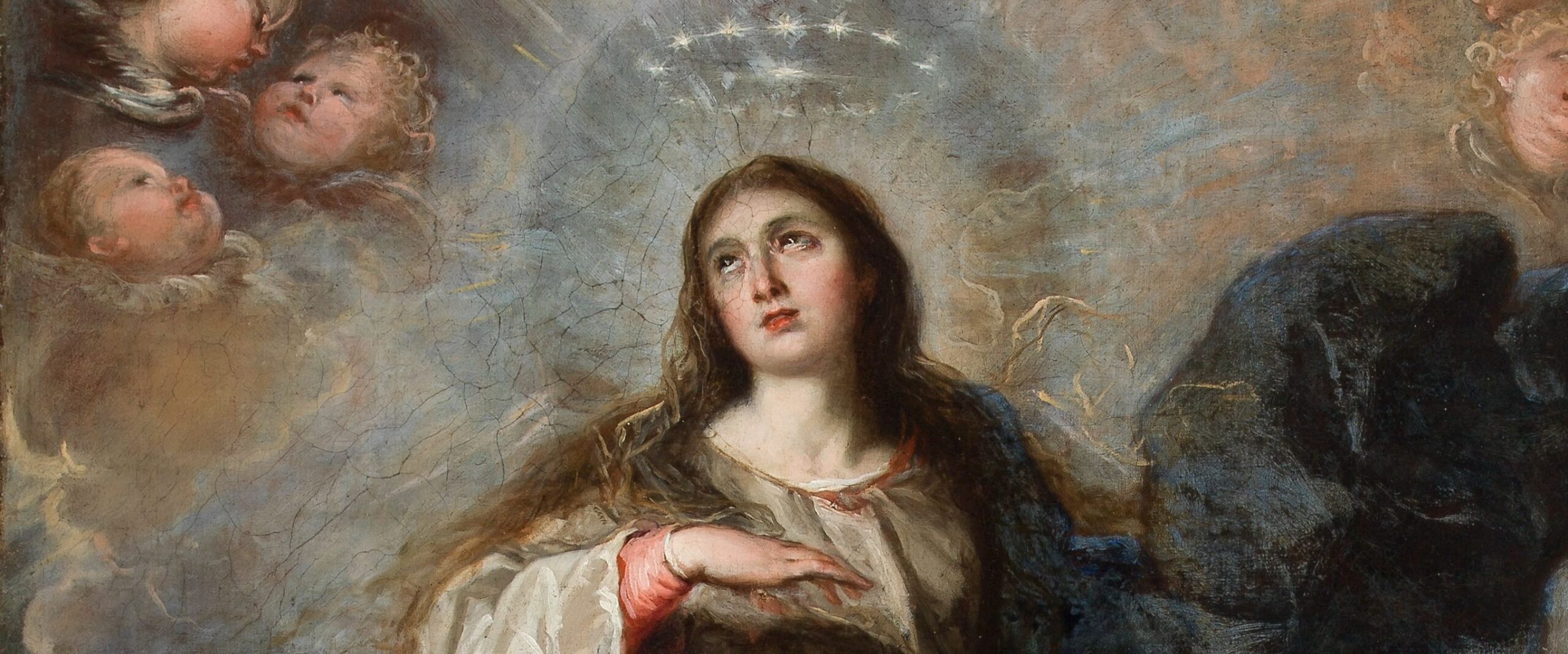
The dogma of the Immaculate Conception, which Pope Pius IX proclaimed in 1854 in the bull Ineffabilis Deus, brought to an end one of the longest theological debates in the Latin Church. Understanding the dogma of the Immaculate Conception requires that we walk through the medieval debate between the Franciscans and the Dominicans, the position of Duns Scotus, and the modern Magisterium.
I. The Dogma of the Immaculate Conception in Its Origins
The intuition that would become the dogma of the Immaculate Conception is already present in the Fathers: Mary’s original holiness, prefigured in Lk 1:28 (“full of grace”). In the East, the feast of the Conception of Mary was already being celebrated in the eighth century. This liturgical tradition was the intuitive basis of the future dogma of the Immaculate Conception.
II. The Franciscan-Dominican Debate on the Dogma of the Immaculate Conception
In the Middle Ages, the road to the dogma of the Immaculate Conception met with a great objection: if Mary was preserved from original sin from her conception, then she did not need Christ’s Redemption. The Dominicans (with Saint Thomas Aquinas) hesitated in the face of this problem. The Franciscans, for their part, defended the dogma of the Immaculate Conception.
III. Duns Scotus and the Resolution of the Dogma of the Immaculate Conception
The resolution came with Blessed John Duns Scotus († 1308), a Franciscan, and his doctrine of redemptio praeservativa: Mary was redeemed in the most perfect way, by being preserved from original sin. Thus Christ’s universal Redemption is safeguarded, and the dogma of the Immaculate Conception finds its theological basis. Duns Scotus is, for this reason, the “Doctor of the Immaculate.”
IV. The Road to the Definition of the Dogma of the Immaculate Conception
After Duns Scotus, the dogma of the Immaculate Conception was progressively received. Sixtus IV (1476) approved the feast. Trent (1546) excluded Mary from the decree on original sin. Alexander VII (1661) reinforced the doctrine. Finally, Pius IX, in the bull Ineffabilis Deus (December 8, 1854), solemnly proclaimed the dogma of the Immaculate Conception as a truth revealed by God.
V. Confirmation of the Dogma of the Immaculate Conception: Lourdes (1858)
Four years after the proclamation of the dogma of the Immaculate Conception, at Lourdes (1858), Mary presented herself to Bernadette, saying: “I am the Immaculate Conception.” This apparition was seen as a heavenly confirmation of the dogma of the Immaculate Conception. Today, the Immaculate Conception is a universal solemnity (December 8). Go deeper with Ineffabilis Deus.
Deepen your studies: explore the Mariology portal, Marian Theology, and the Marian dogmas on Locus Mariologicus.
Postgraduate Program in Mariology
Would you like to deepen your formation in Mariology? Discover the Postgraduate Program in Mariology at Locus Mariologicus, an academic formation that unites theological rigor, spiritual life, and the living tradition of the Church.
Learn more about the Immaculate Conception.
Would you like to study Mariology seriously?
This article grows out of the works in the Locus Mariologicus library. The Postgraduate Program in Mariology takes you to the same source, with academic guidance: Scripture, the Fathers of the Church, and the Magisterium, from the first dogma to contemporary questions.


Responses