Leonardo da Vinci: The Roots of His Mariological Painting (Part 1)
Introduction
A mind thirsting for knowledge, which fixes its attention on everything placed before it. A man who investigates not only through painting but extends his field of action to every domain of knowledge. A genius who continues to astonish even today through a profile gradually revealed by new findings and new studies that add to his myth.
Leonardo da Vinci attempted many truly daring feats for his time: to make man fly, to teach beauty and truth, to help his fellow men become aware, to learn the secrets of the human body, to observe the stars, to entertain gentlemen and courtiers.
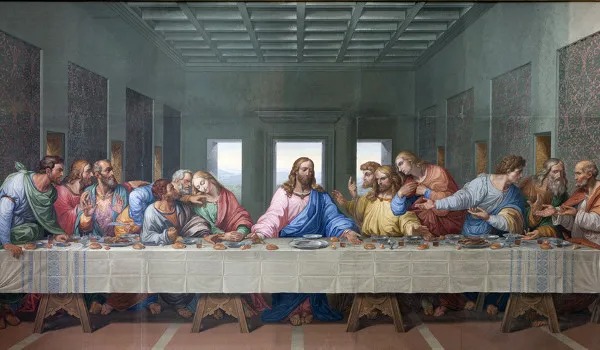
His presence, between the second half of the fifteenth century and the first half of the sixteenth, acts as a stimulus for everyone: painters admire him, gentlemen protect him, everyone marvels. We regard him above all as a great artist, as a painter of incomparable mastery, and the myth of his few works, in particular the Last Supper in Milan and the Mona Lisa, will remain alive even in the following centuries.
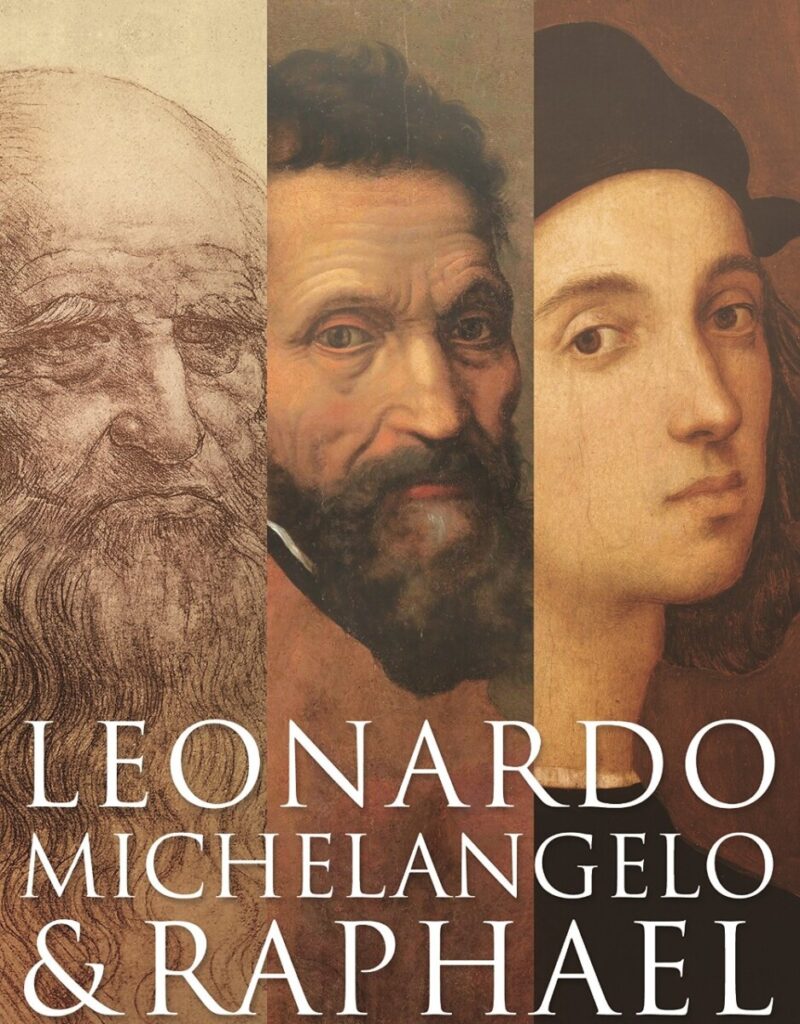
His personality is often compared with the very different personalities of Michelangelo and Raphael. But while M. Buonarroti is a painter and sculptor who expresses through his arts his need to reveal the secret of God, and Raphael, with his works, attains a formal delicacy that is easier to understand, Leonardo seems to stand outside this comparison. His is the painting of an artist-scientist, of a man who places his personal need for analysis and self-analysis above the creative act. In this sense, his figure projects far beyond the times in which he lives.
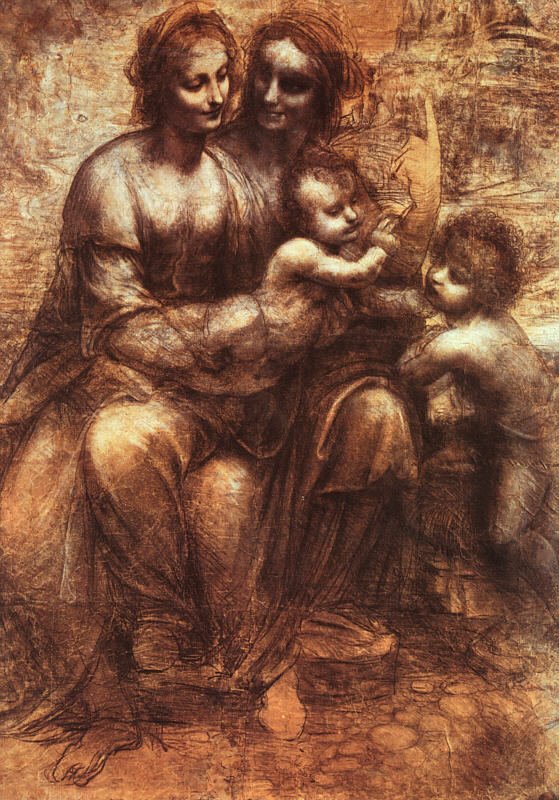
The influence that his painting will exert on the development of art in the following centuries remains the most significant aspect. It is true that Lombard painters draw on Leonardo, sometimes with notable results, often with modest ones, but it is also true that his work is observed and understood by the greatest masters of the sixteenth century, from Giorgione to Dürer, from Correggio to Holbein, even Michelangelo and Raphael. Even his life story, still partly to be clarified, has often given ample room for anecdotes and inventions.
The Early Florentine Years: Verrocchio’s Workshop, the Roots of His Painting
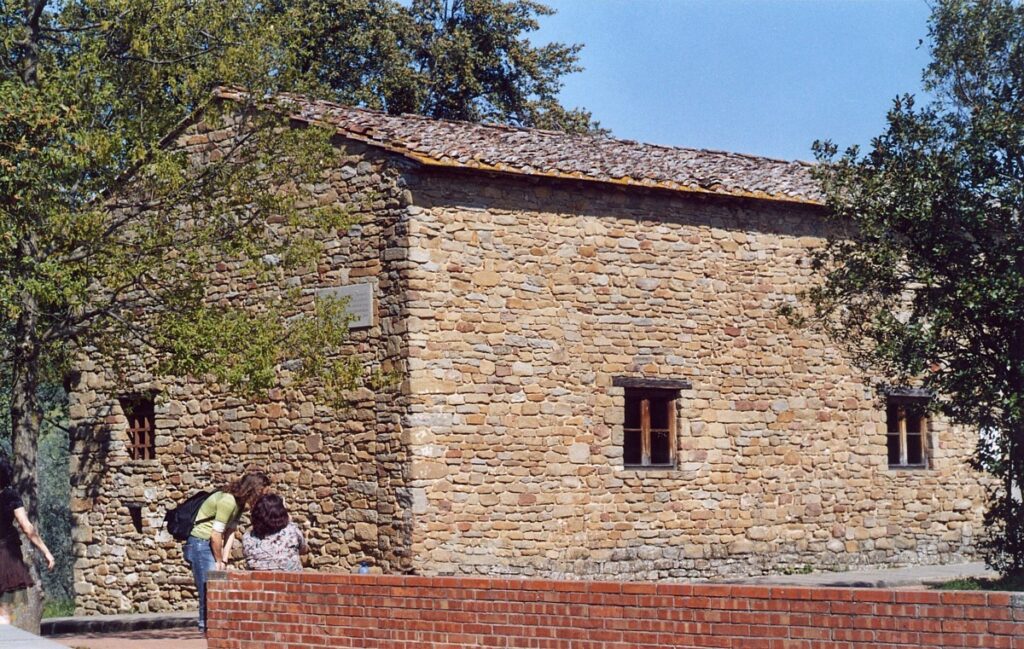
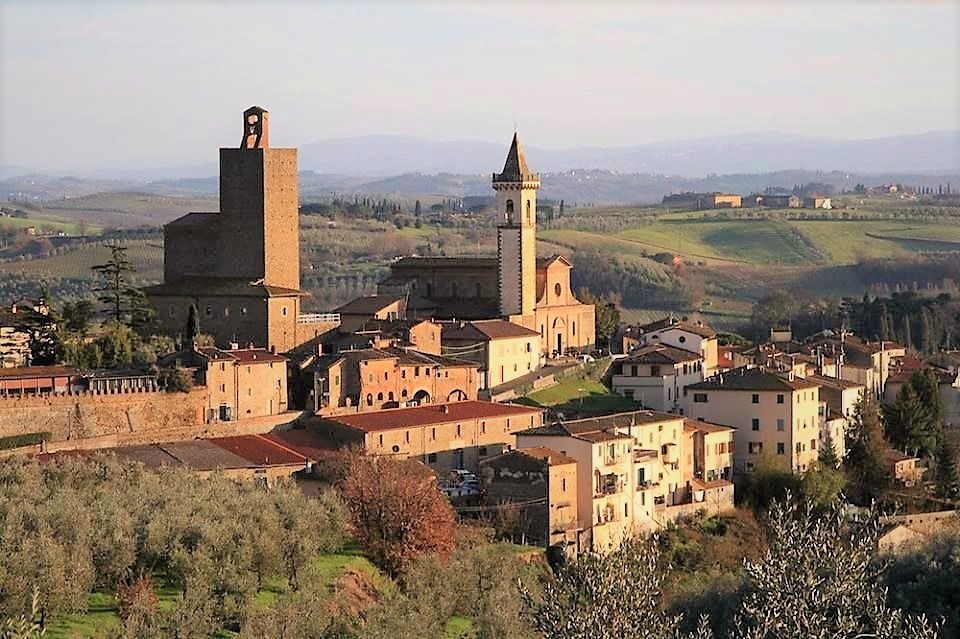
Being born an illegitimate son in a small fifteenth-century Tuscan village must have been a problem with no easy solution. But little Leonardo, who saw the light on April 15, 1452, when the shadows of night did not yet give way to the beautiful outlines of the town’s towers, was born under a star that smiled on him.
He was acknowledged by his father and affectionately recorded by his grandfather, the old and esteemed Antonio da Vinci, who used to note down the births of his large family in a notarial book: “a grandson of mine was born, son of Ser Piero my son, on April 15,
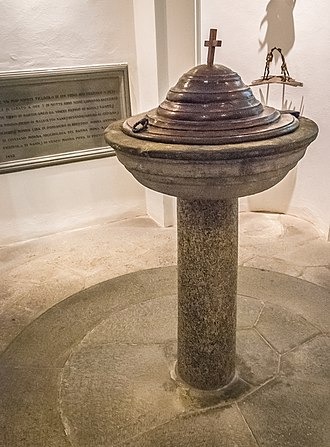
on Saturday at 3 o’clock. He was named Leonardo.” The long list of those present at the baptism is further confirmation that the newborn was acknowledged. Leonardo could therefore count on a father who was wealthy and esteemed in his profession as a notary, but his mother, a certain Caterina, remained forever in the shadows.
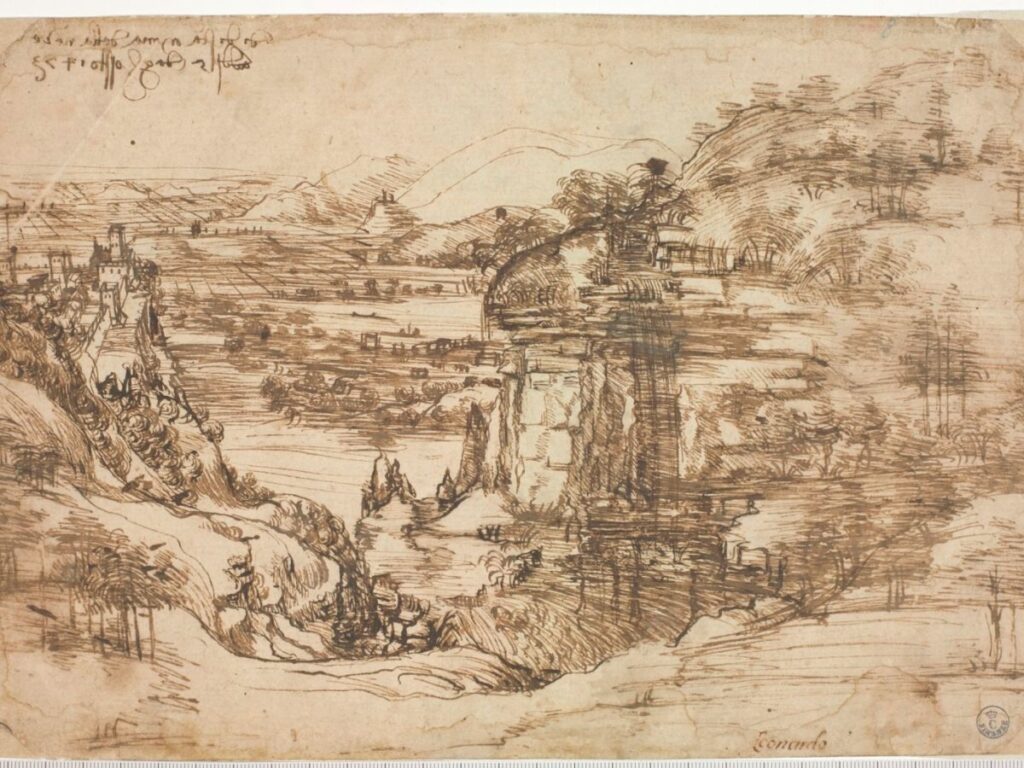
In 1468 the very aged Antonio died, and a cadastral record mentions “Leonardo, son of the said Ser Piero, not legitimate, 17 years old” among the heirs. The strong and slender adolescent grew up in the open air, running through the lush countryside of Vinci, and from his childhood he observed nature, understood its deep message, and stole its secrets.
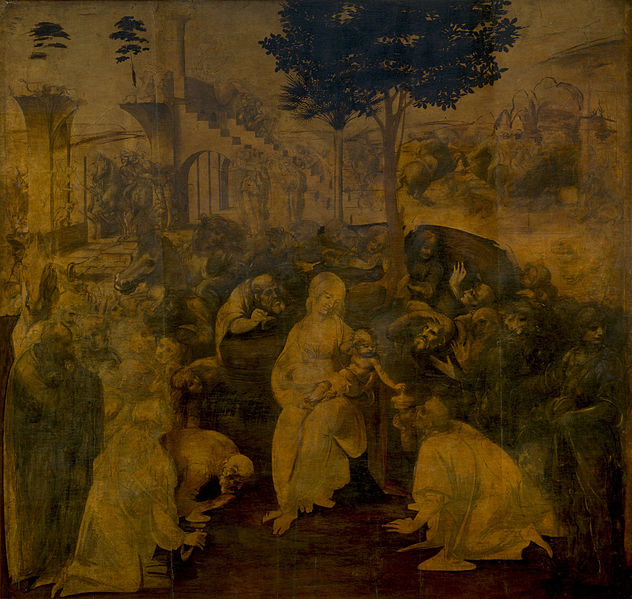
One morning in 1469, Leonardo left his hometown forever. Full of hope, he sets out for Florence, following his father and his uncle Francesco, who goes to live on the via delle Prestanze, today’s via dei Gondi. Caterina watches her son from afar: now she has lost him forever. Ser Piero was appointed notary public, a prestigious office. He is an intelligent, down-to-earth, practical man, brusque in manner, but when he perceives unusual abilities in the boy, he allows him to devote himself to painting.
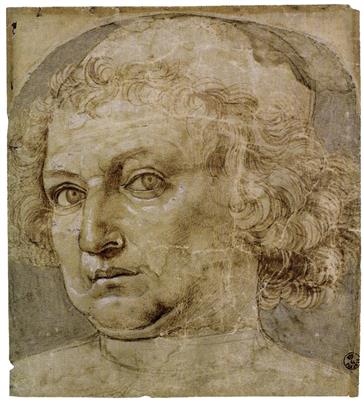
The artist thus enters the workshop of Andrea Verrocchio, one of the most celebrated masters of the period, where, in continuous ferment, works of painting and sculpture are produced for an important clientele. Leonardo met a group of young artists, among whom Botticelli, Perugino, and Lorenzo di Credi already stood out.
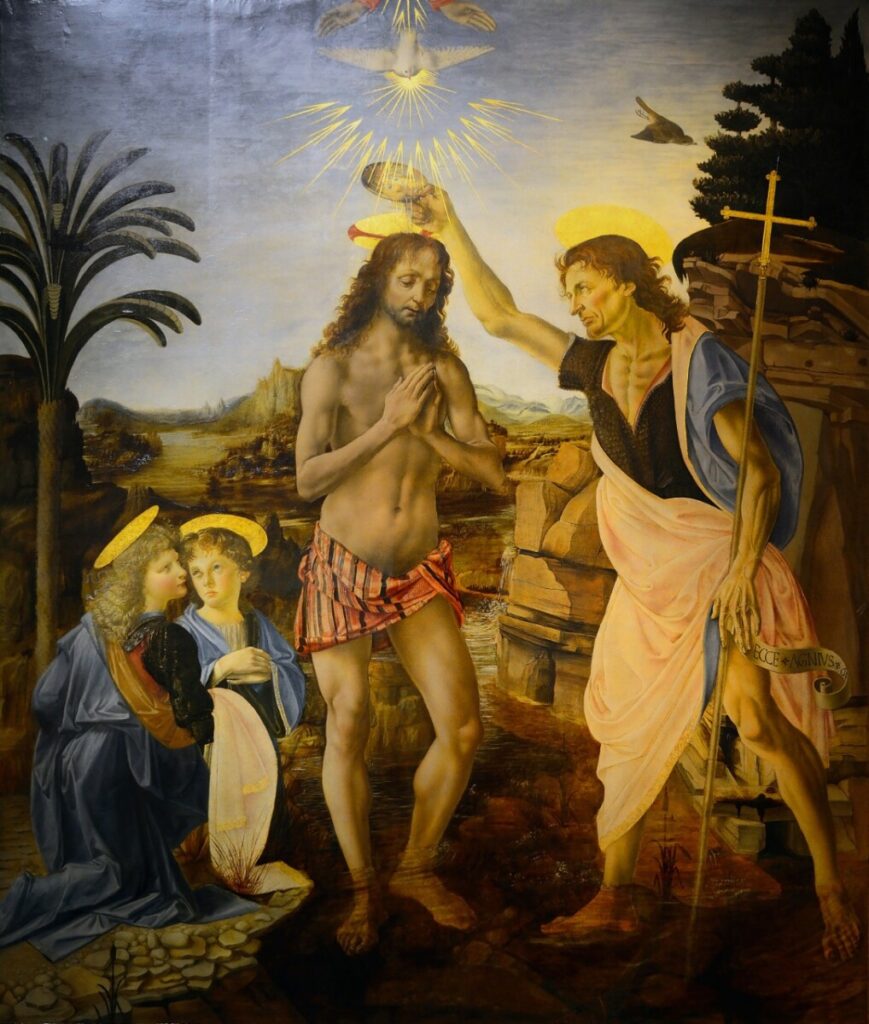
Master Verrocchio has room only for those who have talent to sell. And Leonardo does not lack talent, if it is true that when the young man collaborates with the master on the composition of the Baptism of Christ, rendering the gentle figure of the angel in profile and the background landscape on the left, Andrea reacts with disappointment.
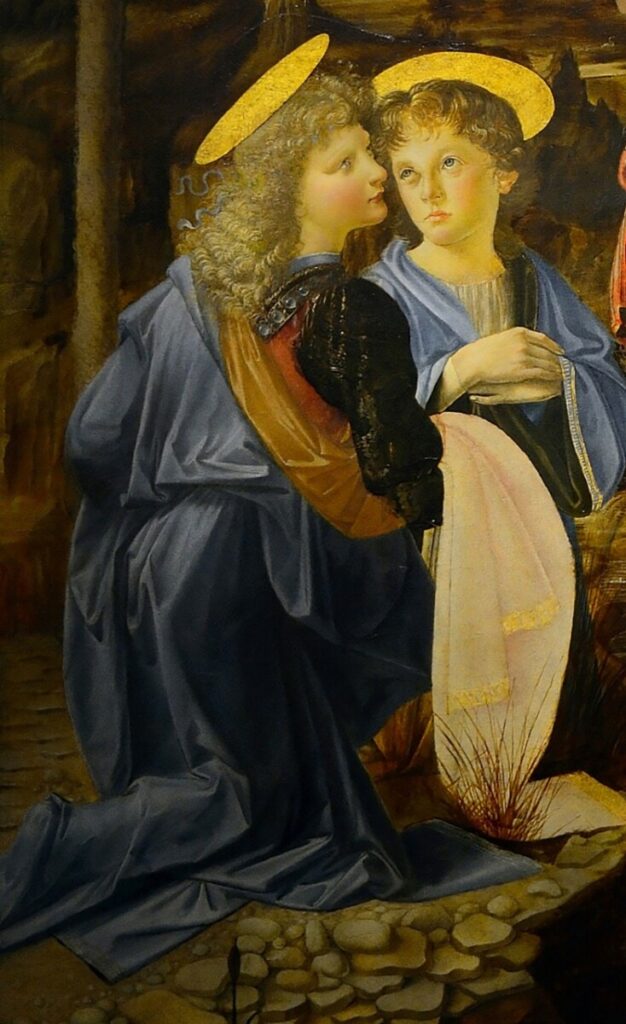
Much more agile and graceful than the one painted by Verrocchio, the angel bends gently, with a smile on his more relaxed features, and the landscape against which his blond head stands out is a compendium of changing places, of hills, banks, and heights moistened by the atmosphere. In his first attempts Leonardo adheres to the types and forms of Andrea Verrocchio, but he refines everything with light touches, infusing them with spiritual subtlety. Everything softens in Leonardo’s form. All harshness dissolves. The lights rain down transparencies, touch things with pearly reflections, and the air circulates among them, moistens them, and envelops them with tenderness.
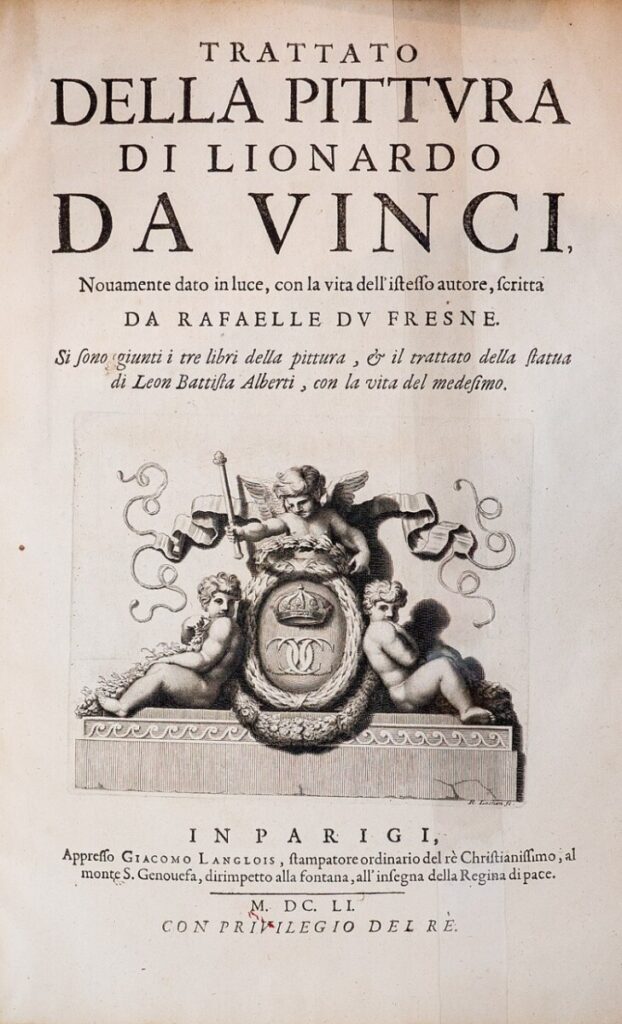
In his Treatise on Painting, Da Vinci reminds us that when the weather is bad, the light becomes half-light and gives the figures grace and sweetness. Chiaroscuro, which until then had been used mainly to obtain plastic and luminous effects, became with Leonardo an indispensable tool for creating soft shadows, harmonious luminosity, and vibrant reflections. His chiaroscuro is not a simple chromatic gradation but a nuancing capable of softening the rigid outlines of the figures and giving the effect of distance, even modulating the sense of space and making it freer and deeper, going beyond the limits of perspective lines. With this concept, Leonardo subordinates color, which he does not consider fundamental to form but only its ornamental accessory, to the monochrome of chiaroscuro; on the other hand, together with the human figure, he expresses nature in full harmony with the figures he portrays, after having studied them intensely and in depth.
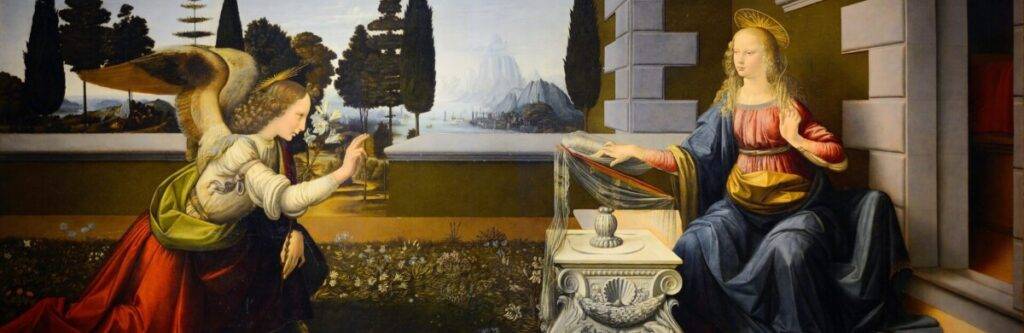
In the famous Uffizi Annunciation,
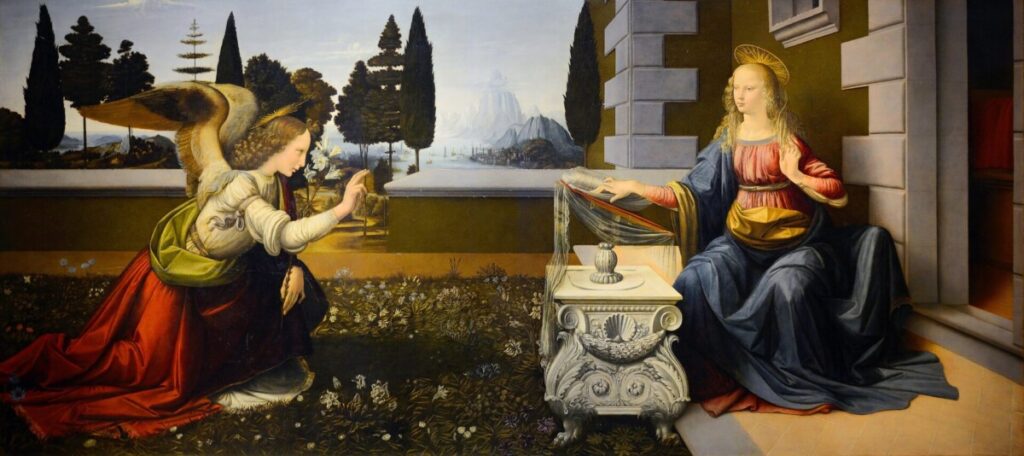
painted for the abbey of Monte Oliveto in 1475, Leonardo, only twenty years old, renders the pearly color of the flesh and the muted clarity of the sky, against which, forming the velarium, there intertwine
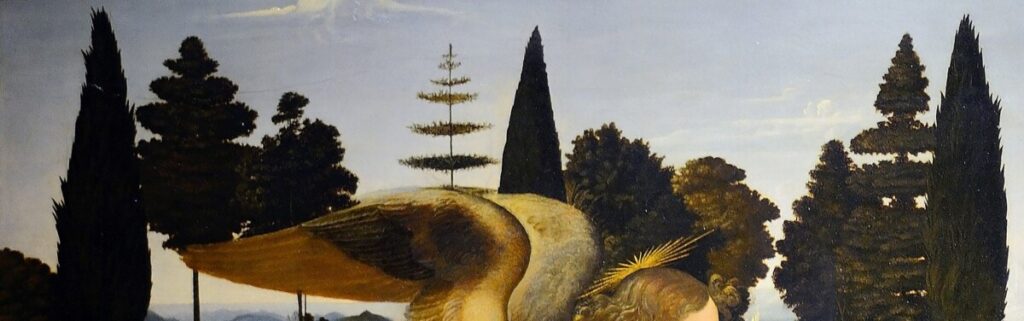
— let us take note — the needle-shaped leaves of the pine.
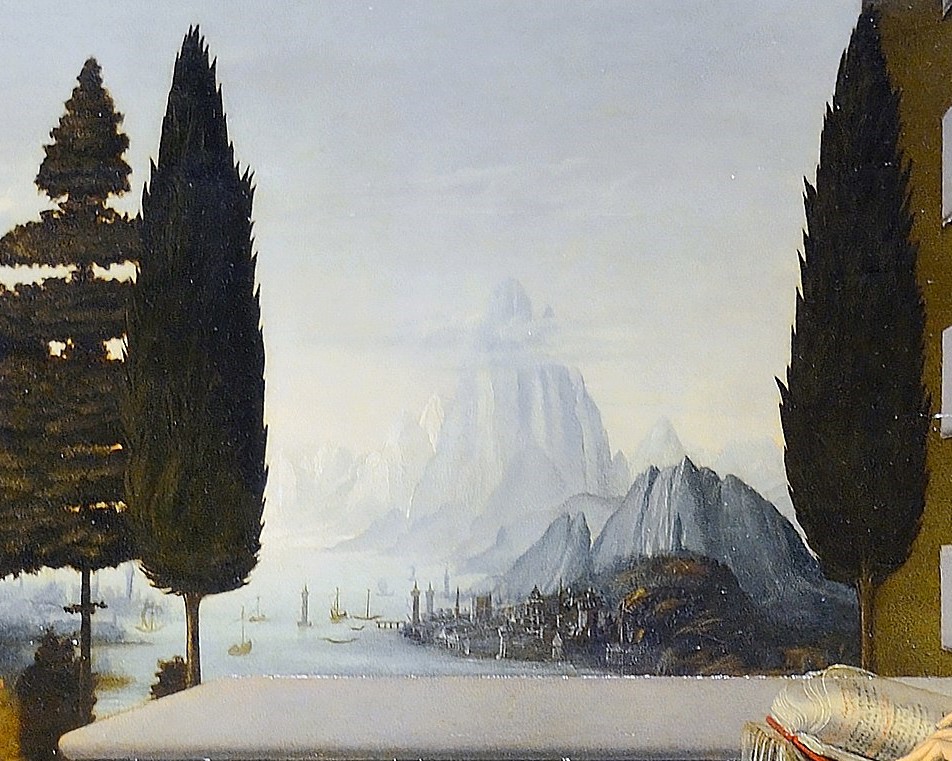
We sense the first application of the nuance that disperses the line and, through the graininess of the outlines and the wavering of shadow and lights, achieves atmosphere, the substratum of things, the inner architecture, almost the heartbeat of life.
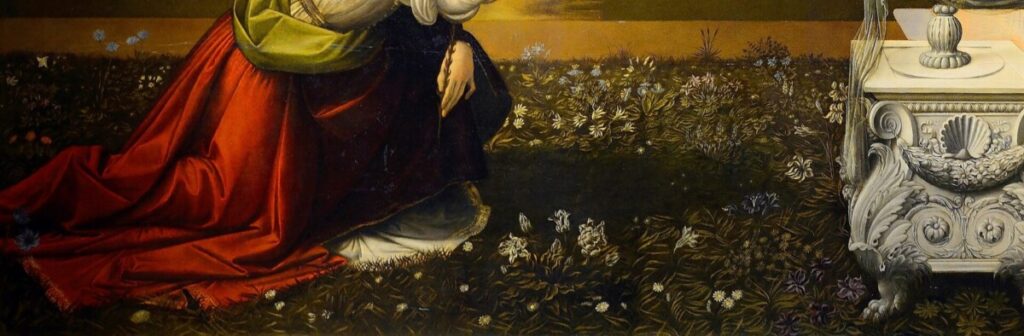
In the foreground, the Annunciation. In the background, a Florentine building and a beautiful landscape in which Leonardo naturally captures the plant world and the atmospheric sense of distance, an echo of Eden when God spoke with man.
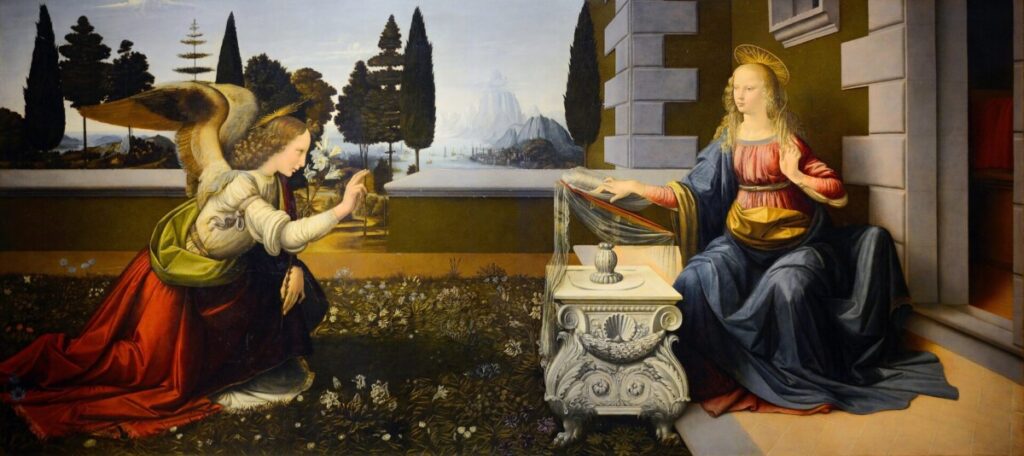
The view from the balustrade is magical, on the shore of the lake, with hills and steep mountains, with that procession of trees of different varieties strongly backlit, and the absolute absence of man underscoring the absolute virginity of Mary.
Postgraduate Program in Mariology
Would you like to deepen your formation in Mariology? Discover the Postgraduate Program in Mariology at Locus Mariologicus – an academic formation that unites theological rigor, spiritual life, and the living tradition of the Church.
Discover the oldest Marian image in the Catacomb of Priscilla.




Responses