The Living Bread That Came Down from Heaven: Deut 8, 1 Cor 10, and Corpus Christi in Jn 6
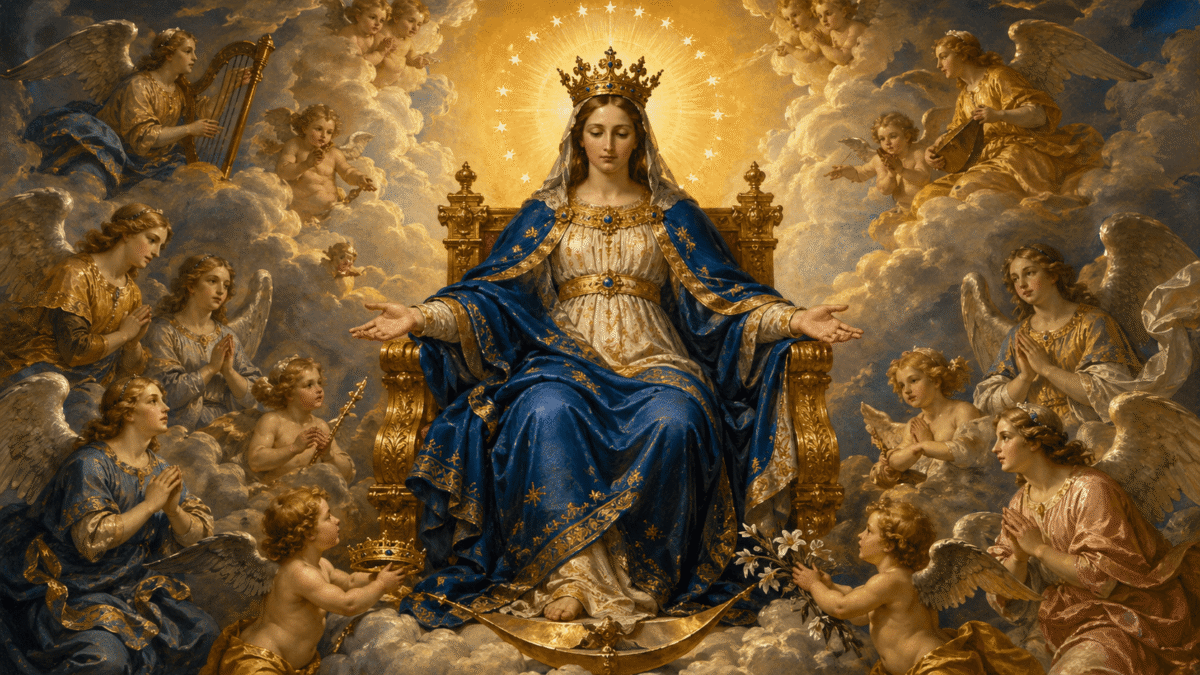
Ego sum panis vivus qui de caelo descendi: si quis manducaverit ex hoc pane, vivet in aeternum.
Jn 6:51
The Sunday of the Most Holy Body and Blood of Christ, Corpus Christi, brings together three texts around the bread that God gives and that nourishes more deeply than ordinary bread. Deut 8:2-3, 14b-16a recalls the manna in the desert: God humbled Israel, let it go hungry, and fed it with the manna in order to teach that man lives by every Word of God, not by bread alone. 1 Cor 10:16-17 affirms that the cup of blessing is communion with the blood of Christ and that the bread we break is communion with the body of Christ, making the many into one single body. Jn 6:51-58 offers the Eucharistic discourse of Jesus at Capernaum: I am the living bread that came down from heaven, my flesh is true food and my blood is true drink. The three texts trace a line from Moses to Paul to John: from the manna that fed provisionally to the bread that feeds forever.
I. The first reading: Deut 8:2-3, 14b-16a
Moses reminds Israel of the forty years of journeying in the desert: “Remember the whole way that the Lord your God made you travel during these forty years in the desert, in order to humble you and to test you, to know what was in your heart” (Deut 8:2). God let Israel go hungry and then fed it with the manna. “To make you understand that man does not live by bread alone, but by everything that comes forth from the mouth of the Lord” (v. 3). Jesus will quote these exact words when He is tempted in the desert to turn stones into bread (Mt 4:4). The experience of the manna in the desert is the pedagogue of the Eucharist: God feeds in a way that transcends ordinary bread, and the gift is always above what is asked and above what is deserved.
II. The second reading: 1 Cor 10:16-17
“The cup of blessing that we bless, is it not the communion with the blood of Christ? The bread that we break, is it not the communion with the body of Christ”? (1 Cor 10:16). Paul affirms a real communion: not a symbol, not a memorial only, but effective participation in the body and blood of Christ. And he adds the ecclesial consequence: “Because we, though many, are one bread and one body, for we all share in the same bread” (v. 17). The Eucharist has a vertical dimension (communion with Christ) and a horizontal dimension (communion among the members of the body). The unity of the Church is not built by human organization: it is created by the sharing of the same Eucharistic bread. Corpus Christi celebrates at once the body of Christ in the bread and the body of Christ that is the Church.
III. Evangelium: Jn 6:51-58
In the discourse on the bread of life at Capernaum, Jesus makes the most explicit Eucharistic affirmation of the Gospels. “I am the living bread that came down from heaven. If anyone eats of this bread he will live forever. And the bread that I will give is my flesh for the life of the world” (Jn 6:51). The Jews are scandalized: “How can this man give us his flesh to eat”? Jesus did not soften the affirmation: “Truly, truly, I say to you: if you do not eat the flesh of the Son of Man and do not drink His blood, you have no life in you” (v. 53). “My flesh is true food and my blood is true drink. Whoever eats my flesh and drinks my blood abides in me and I in him” (vv. 55-56). This mutual abiding, “to abide in me and I in him”, is the highest fruit of the Eucharist: not an experience but a real indwelling. “As I live because of the Father, so too whoever eats me will live because of me” (v. 57). The Eucharist is not a means: it is the disciple’s way of life.
IV. Mary and the ark of the new manna
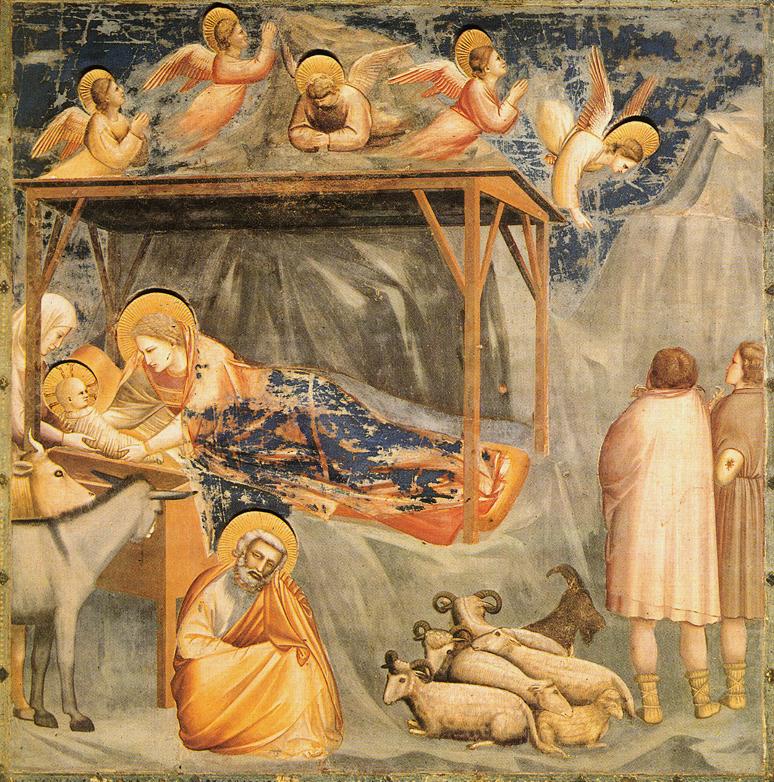
Deut 8 speaks of the manna that God gave to Israel in the desert in order to teach that man lives by the Word of God: Mary is the ark of the new manna. The manna was kept in the ark of the covenant in the Holy of Holies of the Temple. Mary kept in her womb for nine months the living Bread that came down from heaven before giving Him to the world in Bethlehem. When Elizabeth saw Mary approaching, she exclaimed: “Whence does this grace come to me, that the mother of my Lord should come to me”? (Lk 1:43): Elizabeth’s words echo David’s question before the ark of the covenant (2 Sam 6:9). 1 Cor 10 affirms that the sharing of the one bread makes of many a single body: Mary is the member of the Eucharistic body who shared most fully in the sacrifice of the broken bread. At the foot of the Cross, she who had given flesh to the Son in Bethlehem was the witness of the flesh handed over for the life of the world. Jn 6 says that “the bread that I will give is my flesh for the life of the world”: the flesh that Jesus will give in the Eucharist is the flesh He received from Mary. The Eucharist is the gift of the Son to the world, and the flesh of the Son comes from Mary. Corpus Christi contemplates this indissoluble bond between the bread of life and the woman who gave Him life.
Postgraduate Program in Mariology
Would you like to deepen your formation in Mariology? Discover the Postgraduate Program in Mariology of Locus Mariologicus – an academic formation that unites theological rigor, spiritual life, and the living tradition of the Church.

Responses