Meek and humble of heart: Zech 9, Rom 8, and rest in Mt 11
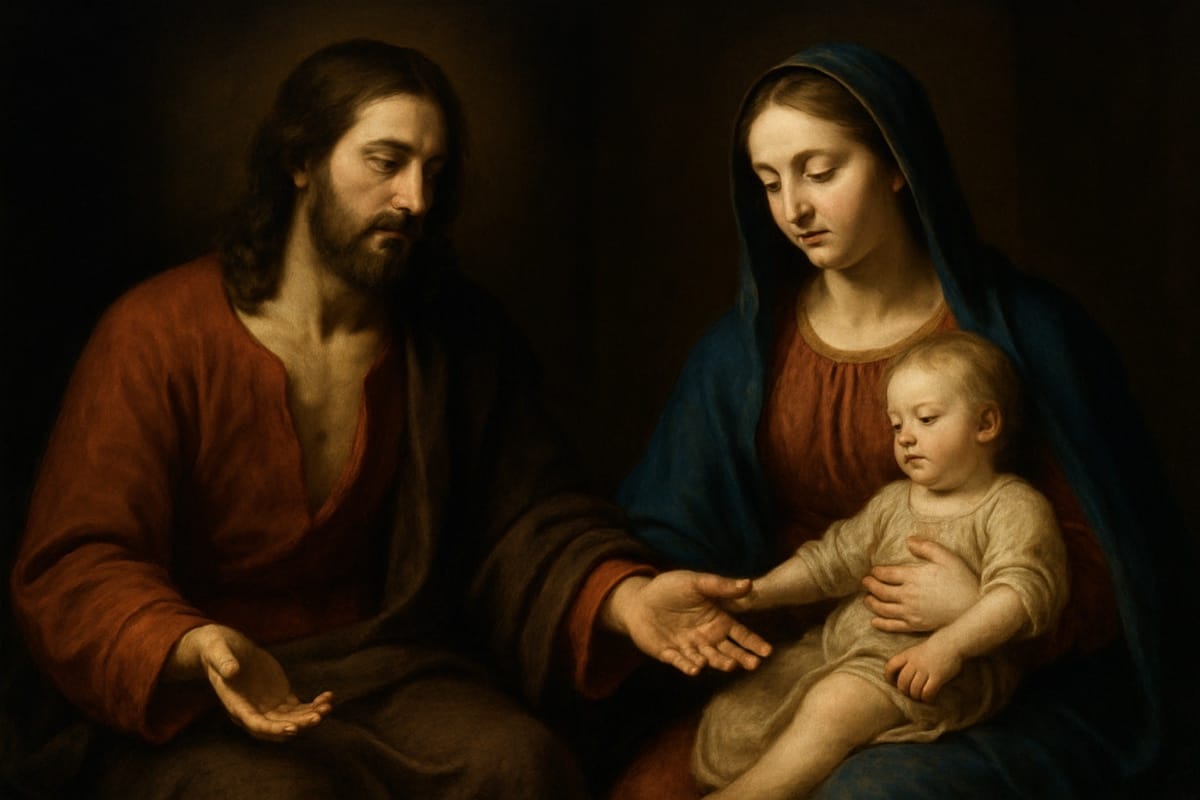
Discite a me, quia mitis sum et humilis corde.
Mt 11:29
The Fourteenth Sunday in Ordinary Time, Year A, brings together three texts centered on the humility and the rest that God offers to His people. Zech 9:9-10 announces the king who comes humble, mounted on a donkey, bringing peace to the nations. Rom 8:9, 11-13 proclaims that the Spirit who raised Jesus will give life to the mortal bodies of those who live according to the spirit and not according to the flesh. Mt 11:25-30 presents Jesus praising the Father for revealing to little ones what He hid from the wise, and inviting the weary to come to Him, to take up His easy yoke and to learn His meekness and humility of heart. The three texts describe the same movement: the power of God that is manifested in humility, the strength of the Spirit that works in those who renounce self-sufficiency, the repose promised to those who make themselves little before the Father.
I. The First Reading: Zech 9:9-10
“Rejoice greatly, daughter of Zion. Exult, daughter of Jerusalem. Behold, your king comes to you. He is just and victorious, humble and mounted on a donkey, on a colt, the foal of a she-donkey” (Zech 9:9). The oracle of Zechariah describes a king who contradicts every expectation: he does not come in a war chariot nor on horseback, signs of the military power of the nations, but on a donkey, an animal of labor and of peace. He is just and victorious, but his victory does not come from the force of arms: “I will cut off the war chariots from Ephraim and the horses from Jerusalem, and the battle bow will be broken. He will speak of peace to the nations, and his dominion will reach from sea to sea and from the River to the ends of the earth” (v.10). Peace is not won by the sword: it is established by the renunciation of the sword. The humble king does not win through violence, but violence yields before him. Palm Sunday made this oracle present: Jesus entered Jerusalem on a colt and the crowds acclaimed Him, without yet understanding that the throne of this king would be a cross.
II. The Second Reading: Rom 8:9, 11-13
Paul distinguishes two modes of existence: according to the flesh and according to the spirit. “You, however, are not in the flesh but in the spirit, if indeed the Spirit of God dwells in you” (Rom 8:9). This is not a distinction between body and soul, but between two fundamental orientations of life: to live centered on oneself or to live open to God. The decisive argument is the resurrection: “If the Spirit of Him who raised Jesus from the dead dwells in you, He who raised Jesus from the dead will also give life to your mortal bodies through His Spirit who dwells in you” (v.11). The same Spirit who acted in the resurrection of Christ is already at work in the baptized: not only promising future life, but giving present life, transforming mortal bodies into instruments of the love of God. The condition is renunciation: “If by the Spirit you put to death the works of the body, you will live” (v.13). The “works of the body” are not the body itself, but the selfish orientation, the self-sufficiency that refuses to depend on God. The humility of Zechariah’s king is found again here: only the one who consents to receive everything as a gift dies to self-sufficiency.
III. Evangelium: Mt 11:25-30
Jesus exclaims: “I praise You, Father, Lord of heaven and earth, because You have hidden these things from the wise and the learned and have revealed them to little ones” (Mt 11:25). Revelation is not proportionate to intelligence or to erudition: it is proportionate to the readiness to receive. The “wise and learned” are not condemned for their wisdom, but for the sufficiency that wisdom can generate. The “little ones” are not praised for their ignorance, but for the openness that humility maintains. It is the same dynamism as in Zechariah: the humble king on a donkey and the Father who reveals to little ones are the same God who inverts the logic of power. Then comes the invitation: “Come to Me, all you who are weary and burdened, and I will give you rest” (v.28). The weariness that Jesus welcomes is not only physical fatigue: it is the exhaustion of one who has carried too much weight alone, of one who has tried to save himself by his own strength, of one who has piled up obligations without finding meaning. The yoke that Jesus offers does not eliminate effort, but transforms it: “My yoke is easy and My burden is light” (v.30). And the criterion is the same as that of Zechariah’s king and of Paul’s Spirit: “Learn from Me, for I am meek and humble of heart, and you will find rest for your souls” (v.29). Meekness and humility are not weakness: they are the way in which the power of God acts in the world.
IV. Mary and the humble king
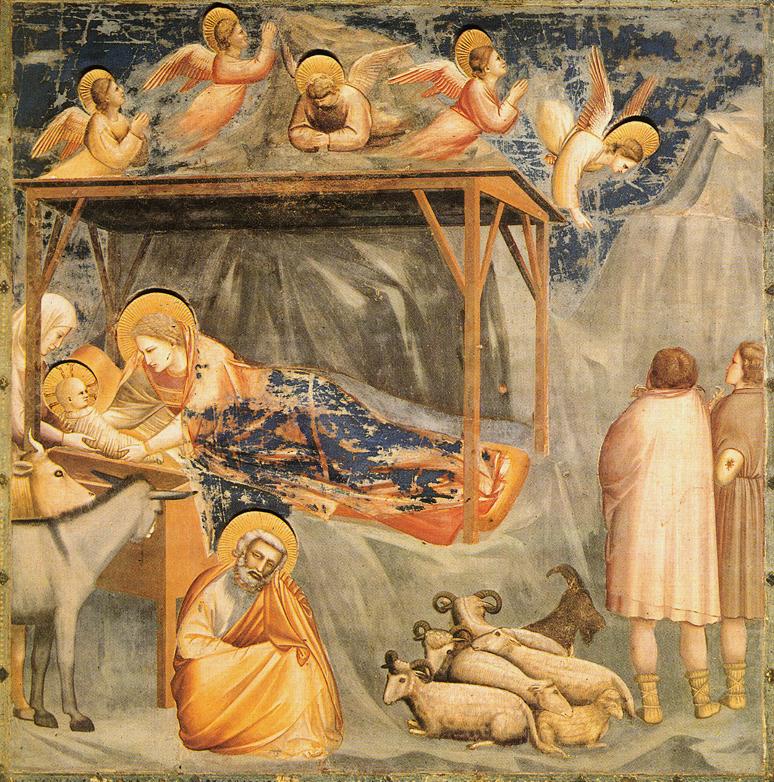
Zechariah addresses his oracle to the “daughter of Zion”: “Rejoice greatly, daughter of Zion”. The patristic and liturgical tradition recognized in Mary the daughter of Zion par excellence, the one who received the humble king in the most perfect way. In Bethlehem, the king came not in a triumphal chariot but in a manger, not with a military escort but with the shepherds called by the angels. Mary received Him as one receives a son: with open arms, without resistance, without negotiation. It is the gesture of the little ones of Mt 11:25: to receive what the Father gives, without filtering it through one’s own wisdom. Mt 11:29 describes Jesus as “meek and humble of heart”. The Mariological tradition recognized in Mary the mirror of this meekness: the handmaid who said “let it be done to me according to your word” (Lk 1:38) is the disciple who learned humility of heart from the Master. It is no coincidence that the Magnificat (Lk 1:46-55) resounds with the logic of Mt 11:25: “He has scattered the proud in the thoughts of their hearts and has exalted the humble”. Mary sang what Jesus taught, because she lived what the Son revealed. The rest promised in Mt 11:28 finds in Mary its anticipated realization: not the repose of inactivity, but the rest of one who carries the right yoke, that of the will of the Father, without the weight of self-sufficiency.
Postgraduate Program in Mariology
Would you like to deepen your formation in Mariology? Discover the Postgraduate Program in Mariology of Locus Mariologicus – an academic formation that unites theological rigor, spiritual life, and the living tradition of the Church.




Responses