Luke 2:22-40, the Presentation of Jesus and the Purification of Mary
The scene of Luke 2:22-40
Luke 2:22-40 narrates two rites fulfilled by Mary and Joseph forty days after the birth of Jesus: (1) the Purification of Mary according to Lev 12:1-8, which prescribed an offering at the temple after childbirth, (2) the Consecration (or Redemption) of the firstborn according to Ex 13:2, 12, which considered every firstborn as belonging to God. That Mary and Joseph fulfill both rites is a sign of observant Jewish piety and marks Jesus as integrated into the covenant of Sinai from the beginning. The scene concludes with the prophecy of Simeon and the intervention of Anna, the 84-year-old widowed prophetess.
The Purification of Mary: Lev 12 and its interpretation
Leviticus 12:1-8 prescribed that a woman after childbirth should remain impure for forty days (if the child was male) and should then bring to the temple a lamb for a holocaust and a turtledove or a young pigeon for a sin offering. Poor families could offer only “two turtledoves or two young pigeons,” and it is precisely this poor offering that Luke records (Lk 2:24), marking the poverty of Jesus from birth. Theologically, the classic discussion is: did Mary need purification, being a virgin and without sin? Tradition answers that she did so out of humility and obedience to the Law, not out of necessity, just as Jesus accepted being baptized by John without needing conversion.
Simeon: the prophecy of the two swords
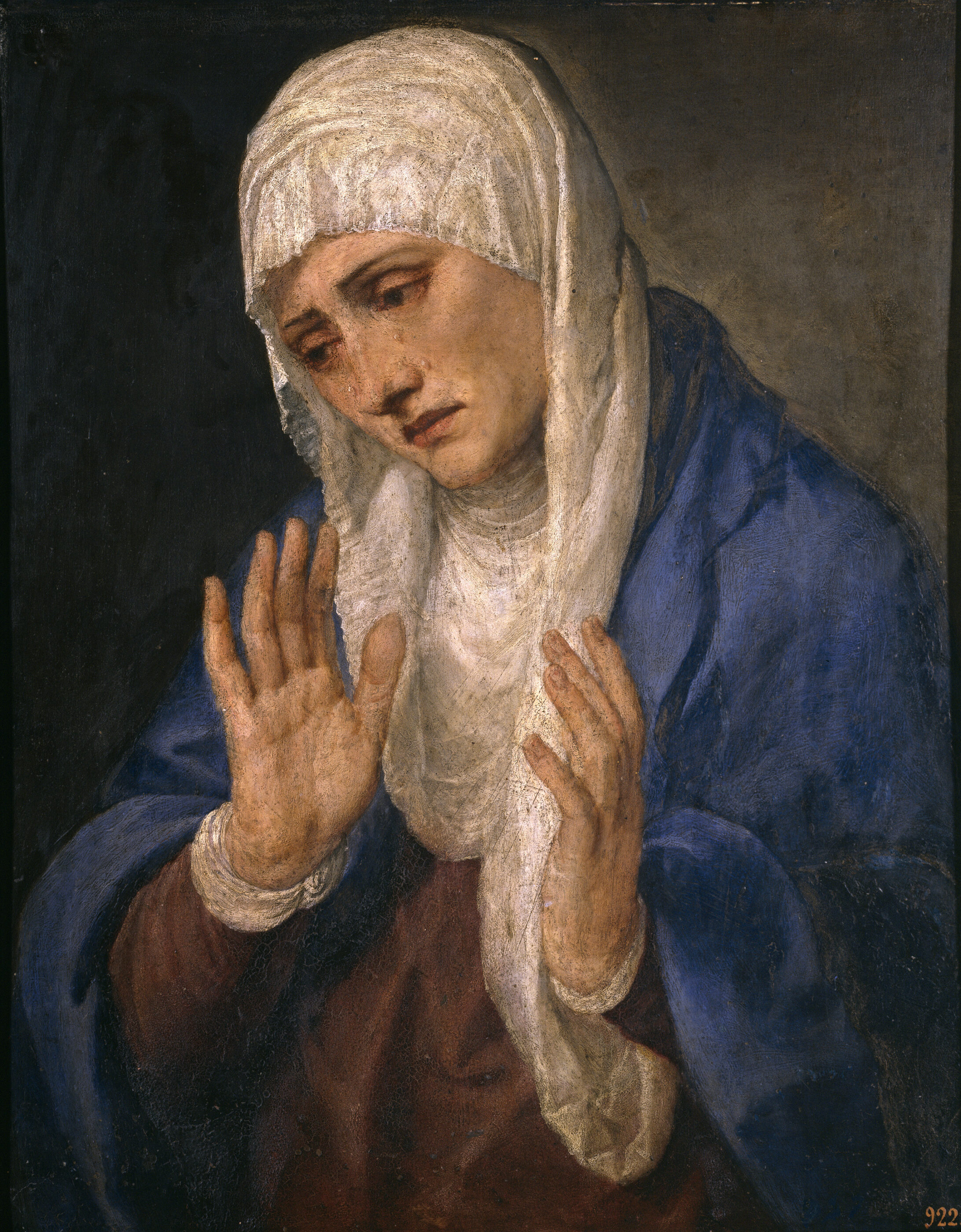
Simeon (Lk 2:25-35) is described as “righteous and devout, who was awaiting the consolation of Israel.” On receiving Jesus in his arms, he sings the Nunc Dimittis (Lk 2:29-32), the third of the three canticles of the Infancy Gospel (alongside the Magnificat and the Benedictus). Then he addresses to Mary a prophecy in two parts: (1) “This one is destined for the fall and the rising of many in Israel” (Lk 2:34), (2) “And a sword will pierce your own soul” (Lk 2:35). This “sword” is interpreted by tradition as the suffering of Mary at the foot of the Cross (Jn 19:25-27) and is the biblical foundation of the title “Our Lady of Sorrows” and of the devotion to the Via Matris.
Anna, the prophetess
Anna (Lk 2:36-38) is the daughter of Phanuel, of the tribe of Asher, a widow for 84 years, who “never left the temple, serving God with fastings and prayers night and day.” When she sees the Child, she “gave praise to God and spoke of the Child to all who were awaiting the redemption of Jerusalem.” Anna is one of the prophetic women of the NT, alongside Elizabeth (Lk 1:41-45) and the daughters of Philip (Acts 21:9). Her presence, combined with that of Simeon, fulfills the biblical juridical principle of the “testimony of two or three” (Deut 17:6, Mt 18:16).
Mariology of the scene: Mary, woman of the covenant
Luke 2:22-40 presents Mary as a woman fully integrated into the Mosaic covenant, observant, poor and available. The prophecy of Simeon reveals that her identity is inextricably bound to that of her Son: the destiny of Jesus (fall and rising) passes through the heart of Mary (the sword). There is no mariology without christology, and there is no understanding of Calvary without the sword of Simeon. John Paul II (Redemptoris Mater, n.16) comments that with the words of Simeon “Mary stands before a new revelation that surpasses that of the Annunciation: it is announced to her that she will have to suffer.”
Deepen your studies: explore Mariology, Our Lady of Sorrows, Marian Theology, Fiat of Mary and the Postgraduate Program in Mariology.
See also: The Presentation of the Lord (Lk 2:21-40), a complete exegesis of the historical-ritual context and the mariological meaning of the purification.
Postgraduate Program in Mariology
Would you like to deepen your formation in Mariology? Discover the Postgraduate Program in Mariology of Locus Mariologicus – an academic formation that unites theological rigor, spiritual life and the living tradition of the Church.
Would you like to study Mariology seriously?
This article grows out of the works in the Locus Mariologicus library. The Postgraduate Program in Mariology takes you to the same source, with academic guidance: Scripture, the Fathers of the Church and the Magisterium, from the first dogma to contemporary questions.




Responses