Advent and the Incarnation of Christ: A Liturgical and Theological Reflection

In the context of the Christian liturgy, Advent is more than a mere countdown to Christmas. This liturgical season stands out as a profound reflection on the incarnation of Christ, the mystery of divinity taking on human form. It is a time of preparation, not only to celebrate the earthly birth of Jesus, but also to contemplate the deeper dimensions of His manifestation in the world.
Although the Bible does not explicitly mention Advent, it provides a rich tapestry of texts that ground this celebration. From the messianic prophecies of the Old Testament to the accounts of the birth of Christ in the Gospels, the Scriptures present both the expectation and the fulfillment of the coming of Christ. These texts not only anticipate His arrival but also reveal the deeper meaning of the incarnation: God with us.
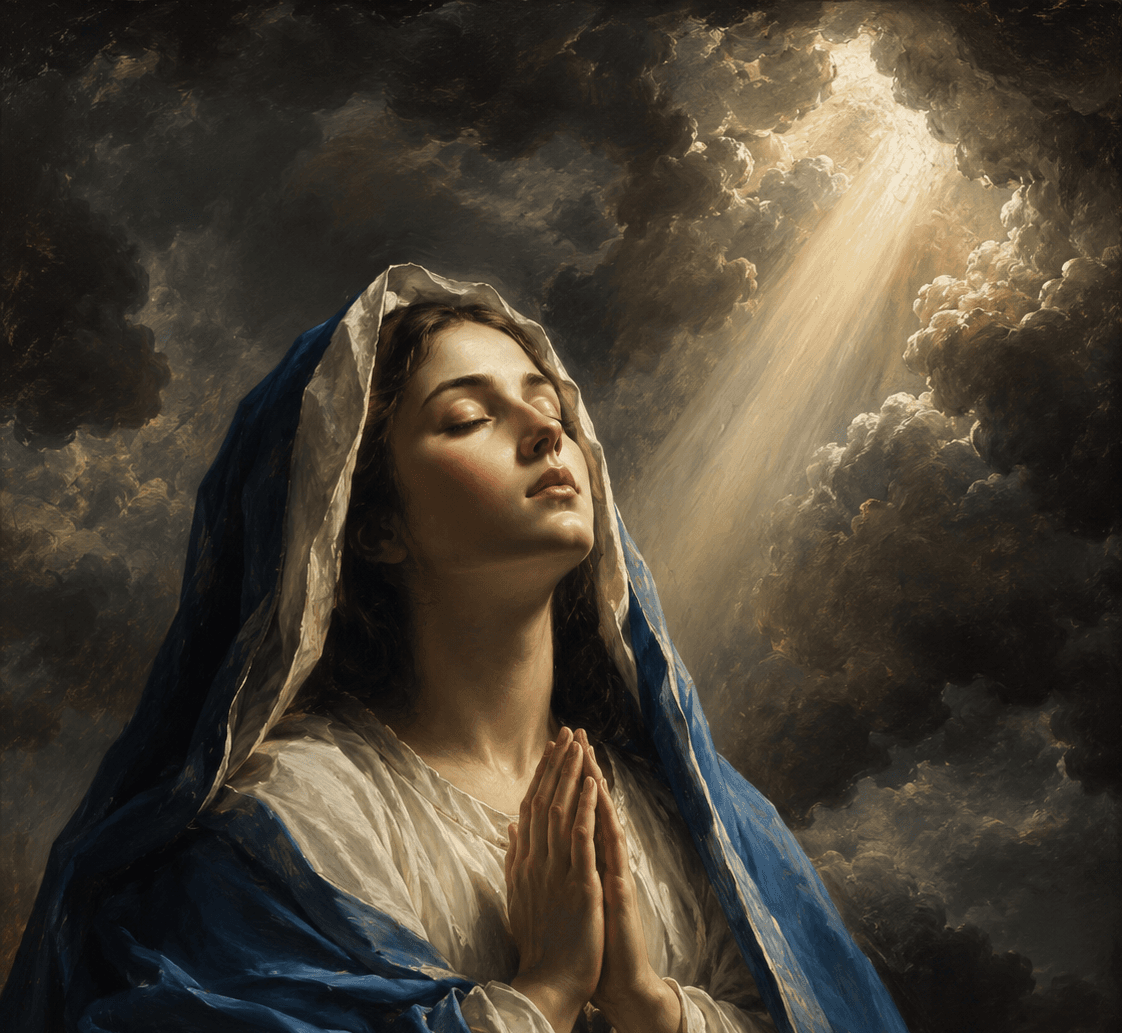
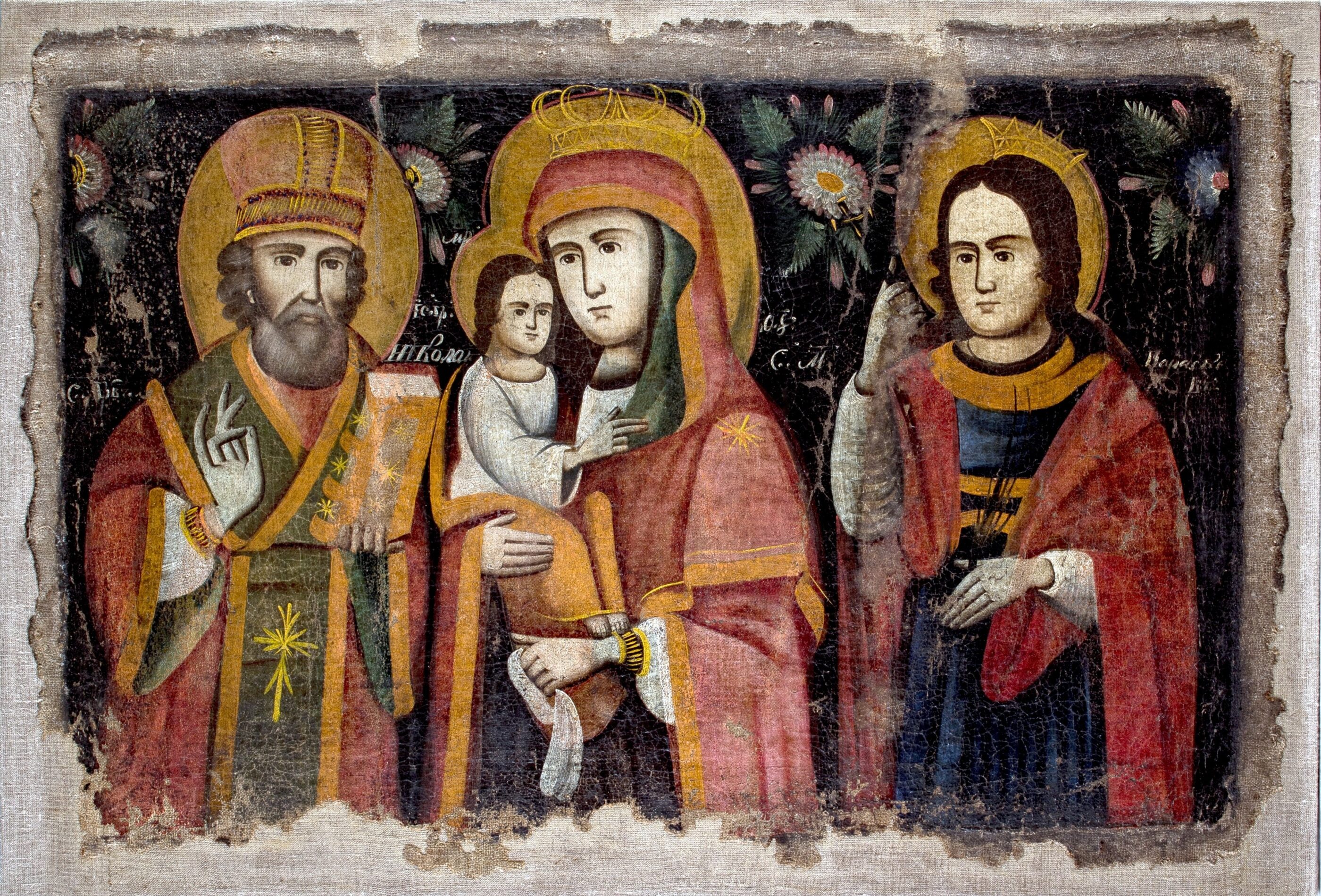
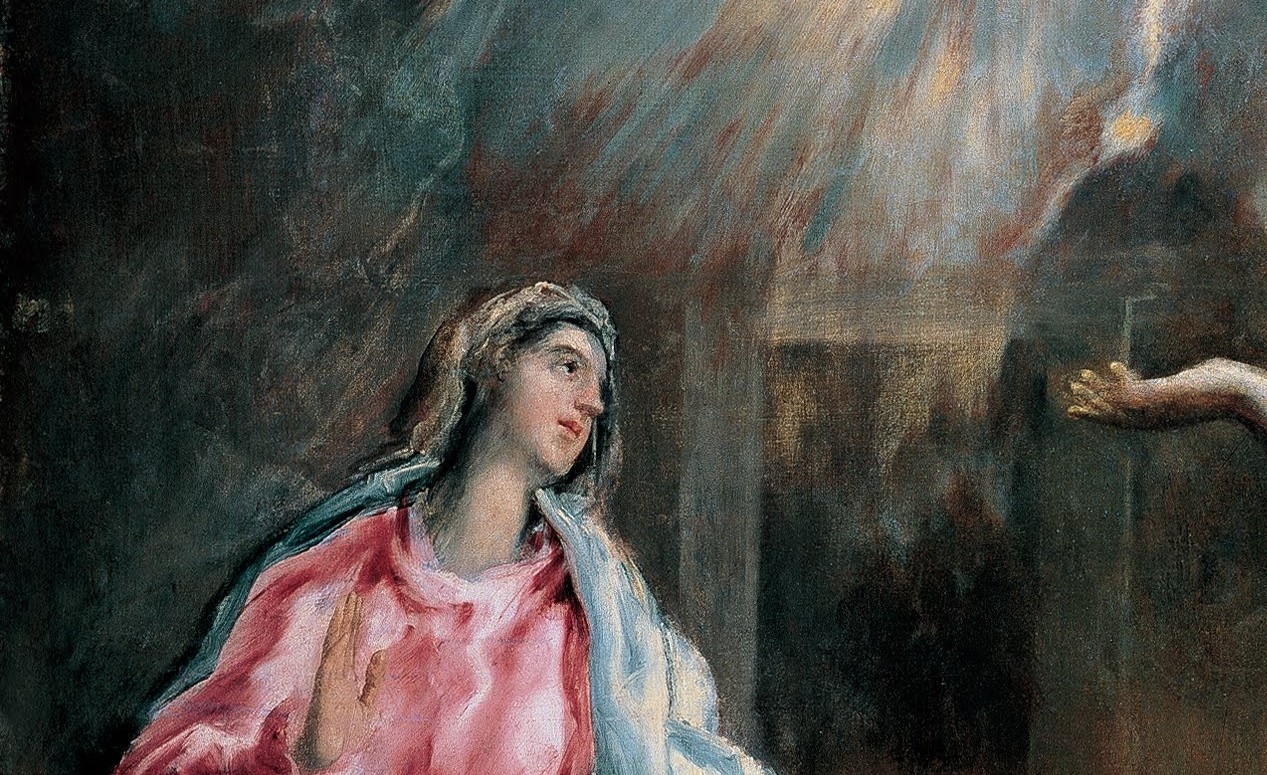
Mary as a Central Figure: The Role of Mary in the Incarnation and in AdventMary, the Mother of God, occupies a central place in the story of Advent and of the incarnation. Her affirmative response to the divine plan, “Let it be done to me according to your word,” marks the beginning of the incarnation. Advent, therefore, is also a time to reflect on the importance of Mary not only as the earthly mother of Jesus, but also as a model of faith and obedience for all Christians.
Theological Implications: The Incarnation in the Context of AdventTheologically, Advent emphasizes the twofold nature of Christ: truly God and truly man. The incarnation is not simply about the birth of a child in Bethlehem. It is about God the Son, consubstantial with the Father, becoming flesh. This mystery touches the very heart of the Christian faith, redefining our understanding of God, of humanity, and of salvation. Advent, therefore, invites us to go deeper into these mysteries, contemplating the transforming impact of the incarnation on our spiritual life.
Conclusion: Advent and the Understanding of the Incarnation of ChristAdvent offers us a unique opportunity to reflect on the incarnation of Christ in a way that transcends the celebration of Christmas. As we prepare for the coming of the Child Jesus, we also await, with renewed hope, the final manifestation of God in glory. Thus, Advent challenges us to broaden our vision beyond the manger in Bethlehem, embracing the continuing and life-giving presence of Christ in our lives and in the world.
The role of Mary in the Incarnation of Christ and in Advent is explored in depth in Pope John Paul II’s encyclical Redemptoris Mater, which contemplates Mary as a central figure in the mystery of the Incarnation of the Word. Read it in Redemptoris Mater (John Paul II).
Deepen your studies: explore Mariology, Marian Theology, Marian apparitions, and the Postgraduate Program in Mariology.
Postgraduate Program in Mariology
Would you like to deepen your formation in Mariology? Discover the Postgraduate Program in Mariology of Locus Mariologicus, an academic formation that unites theological rigor, spiritual life, and the living tradition of the Church.

Responses