Contemporary Angelology: Nature, Mission, and Mary, Queen of the Angels
From esse to officium: A Methodological Principle
Contemporary angelology starts from a methodological principle inherited from the scholastic tradition and reformulated in the light of modern theology: the distinction between the esse (being) and the officium (mission) of the angels. This distinction, set out by Augustine and developed by Thomas Aquinas, remains the axis of all serious reflection on the angelic beings. To ask about the esse of the angel is to ask about his nature, spirituality, immateriality, personhood, hierarchy. To ask about the officium is to ask about his function in God’s saving plan: guardianship, message, liturgical ministry, intercession. Contemporary theology insists that these two questions are inseparable: the nature of the angel is always nature-for-mission.
The Nature of the Angels: Spirituality and Personhood
Contemporary theology, in dialogue with the philosophy of the person and with the cognitive sciences, has deepened the understanding of the angelic nature in four fundamental dimensions. Spirituality: the angels are wholly immaterial beings, without a body or spatial extension, although they can “be located” by way of the application of their activity. Simplicity: unlike the human being, the angel has no composition of matter and form. Each angel is his own species, which constitutes the basis of the Thomistic doctrine of the principle of angelic individuation. Incorruptibility: the angels are not subject to the dissolution that affects material creatures. And intuitive knowledge: the angels know without discourse, without deduction, by direct illumination, although with limits proper to their creaturely condition.
Moral Condition: Grace, Merit, and Irreversibility
One of the most delicate themes of contemporary angelology is the moral condition of the angels. Created in the state of grace, the angels were subjected to a test that determined their definitive orientation in an irreversible way: those who corresponded to grace remain eternally in the beatific vision. Those who refused fell irremediably. The irreversibility of the angelic choice sets it apart from the human condition: whereas man can be converted during his earthly life, the angel, by the perfection of his act of knowledge and will, determines himself once and for all. This doctrine, defended by Thomas Aquinas and confirmed by the Magisterium, underscores the gravity and the dignity of the moral act of spiritual beings.
Angelic Guardianship and Providential Governance
The doctrine of the guardian angels is one of the most popular and at the same time most demanding elements of angelology. The Catechism of the Catholic Church (n. 336) states: “From the beginning until death, human life is surrounded by their protection, and they intercede for us.” Saint Bernardine of Siena and Saint John Bosco are two notable examples of saints who lived with particular intensity the awareness of the guardian presence of the angels. Contemporary angelology places this doctrine within the broader framework of God’s providential governance: the angels do not replace divine action, but are instruments of a providence that respects human freedom and the mediation of creatures.
Angelology and Mariology: Mary, Queen of the Angels
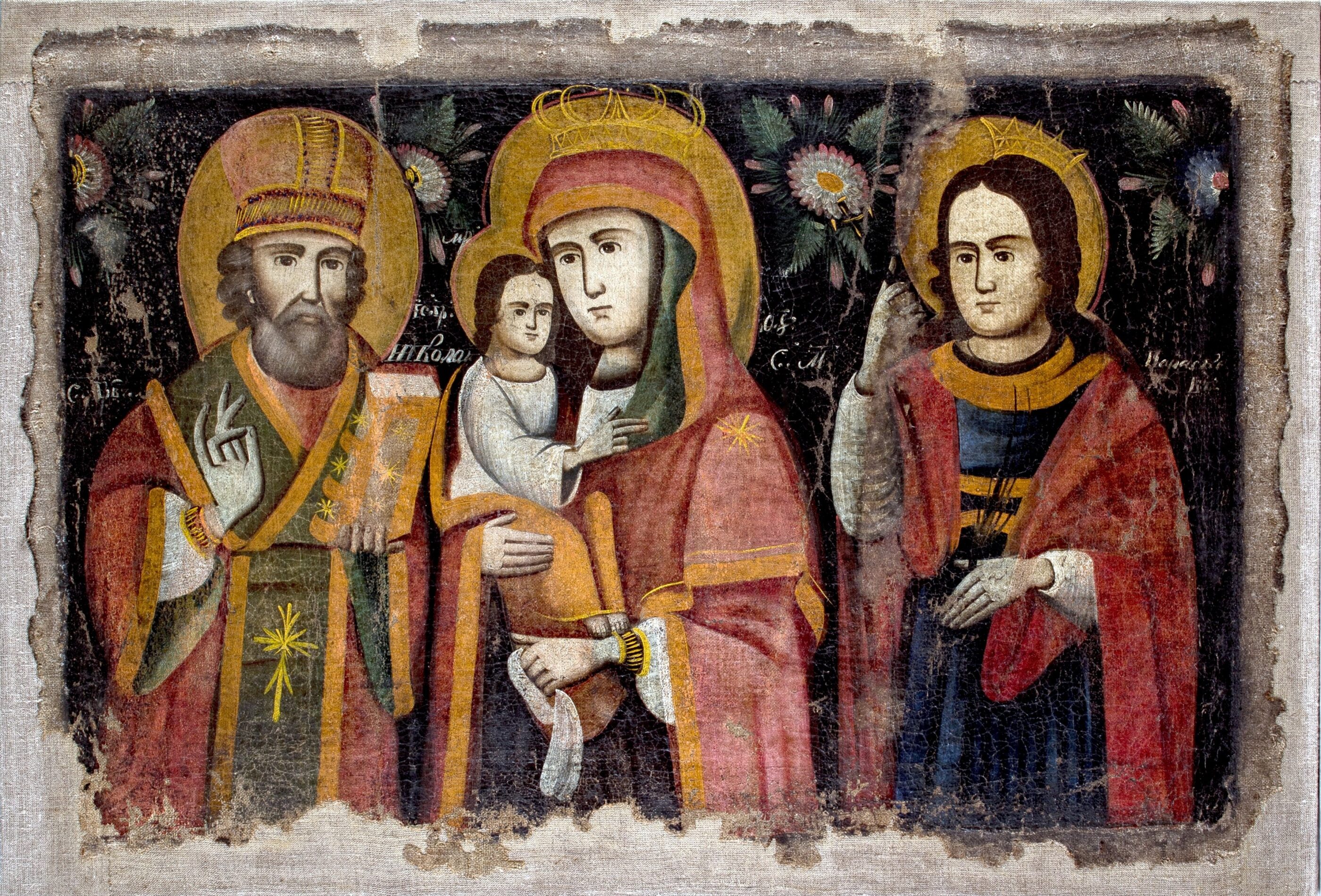
Contemporary angelology takes up and deepens a classic theme of the tradition: the relationship between Mary and the angels. Mary is venerated as Queen of the Angels precisely because, being a creature like the angels, she surpasses the whole angelic hierarchy by her dignity as Mother of God. The angels venerate Mary not for her spiritual nature, but for her divine motherhood: she is the one who gave to the eternal Word the humanity that the angels contemplate and adore. In this sense, angelology and Mariology converge in the mystery of the Incarnation as the point of unification of all creation, visible and invisible, in the person of the Word made flesh.
Consult the teaching of the Second Vatican Council on Mary and the angels in the dogmatic Constitution Lumen Gentium (Vatican.va).
Deepen your studies: explore Angelology, Magisterial Angelology, Mariology, and the Postgraduate Program in Mariology.
Postgraduate Program in Mariology
Would you like to deepen your formation in Mariology? Discover the Postgraduate Program in Mariology at Locus Mariologicus – an academic formation that unites theological rigor, spiritual life, and the living tradition of the Church.
See our complete guide to Catholic Angelology.
Would you like to study angelology and demonology in depth?
This article comes from the Locus Mariologicus library. The postgraduate specialisation in Angelology and Demonology (360 hours, fully online) studies angels and demons in Scripture, the Fathers and the Magisterium, with a whole area on practical demonology, exorcism and deliverance prayer. The new class begins on 18 January 2027. Classes are taught in Portuguese.

Responses