I am the way: Acts 6, 1 Pet 2, and the way to the truth and the life in Jn 14
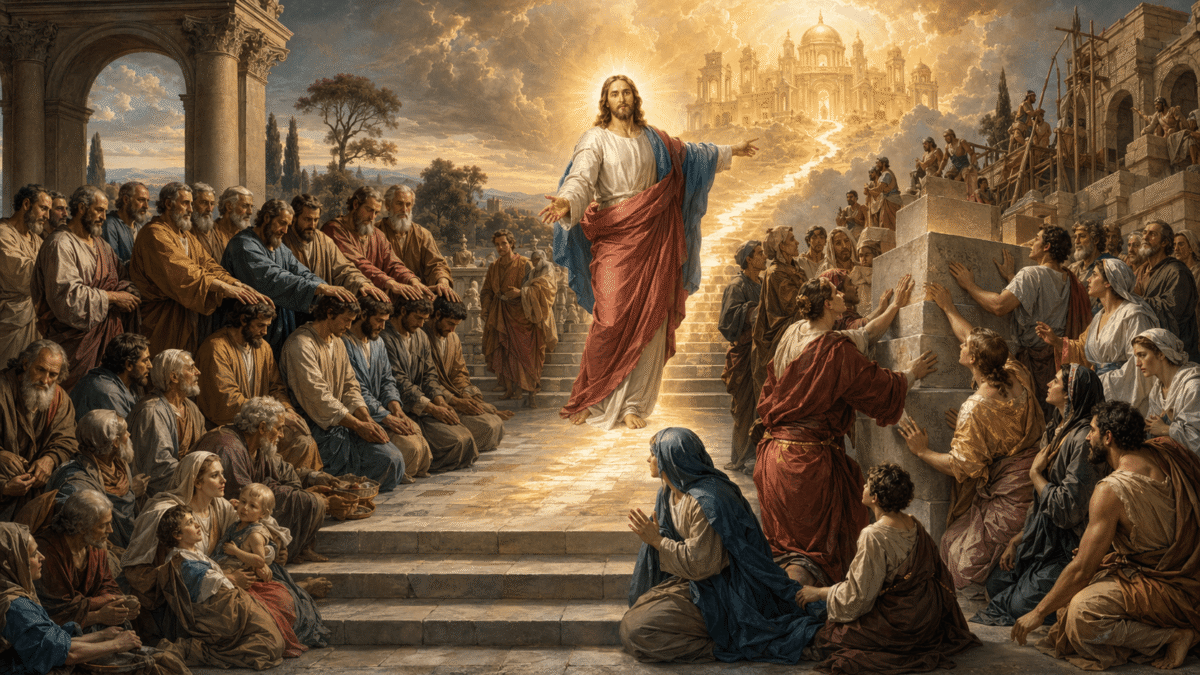
Ego sum via et veritas et vita: nemo venit ad Patrem nisi per me.
Jn 14:6
The Fifth Sunday of Easter of Year A brings together three texts around the identity of Christ and the mission of the Church. Acts 6:1-7 recounts the election of the seven deacons: the community grows and internal tensions arise; the Twelve delegate the service of tables to seven men filled with the Spirit, so that they may devote themselves to the Word and to prayer. 1 Pet 2:4-9 presents the identity of the baptized: living stones built upon the cornerstone, a chosen race, a royal priesthood, a holy nation. Jn 14:1-12 offers Jesus’ farewell discourse: let not your hearts be troubled; I go to prepare a place for you; I am the way, the truth, and the life; whoever has seen Me has seen the Father. The three texts describe the same movement: Christ who departs and leaves the Church as His continued presence in the world.
I. The First Reading: Acts 6:1-7
As the community grows, complaints arise from the Greek-speaking Jews: their widows were being neglected in the daily distribution. The Twelve summon the assembly of the disciples and propose: “It is not right that we should abandon the Word of God to serve at table. Choose from among you seven men of good reputation, filled with the Spirit and with wisdom” (Acts 6:2-3). Seven are chosen, among them Stephen, full of faith and of the Holy Spirit, and Philip. The Twelve lay hands on them after prayer. “The Word of God continued to spread; the number of the disciples grew greatly in Jerusalem, and a great multitude of priests adhered to the faith” (v. 7). The election of the deacons reveals the organizational wisdom of the early Church: the Word requires servants who consecrate themselves to it without distraction, and the concrete service of those most in need likewise requires dedicated servants.
II. The Second Reading: 1 Pet 2:4-9
“Coming to Him, a living stone, rejected by men but chosen and precious before God, you also, like living stones, are built up as a spiritual house, for a holy priesthood, to offer spiritual sacrifices acceptable to God through Jesus Christ” (1 Pet 2:4-5). Peter applies to each baptized person the vocabulary that the Old Testament reserved for Israel: “You are a chosen race, a royal priesthood, a holy nation, a purchased people, so that you may proclaim the wonders of Him who called you out of darkness into His marvelous light” (v. 9). The identity of the baptized is not sociological but theological: it is not what he does that defines him, but what he has received. The stone rejected by the builders has become the cornerstone, and each baptized person is a living stone of that same building.
III. Evangelium: Jn 14:1-12
In the discourse of the Last Supper, Jesus prepares the disciples for His departure. “Let not your hearts be troubled. You believe in God; believe also in Me. In My Father’s house there are many dwelling places. If it were not so, I would have told you, for I go to prepare a place for you” (Jn 14:1-2). Thomas asks: “Lord, we do not know where You are going: how can we know the way?” Jesus answers: “I am the way, the truth, and the life. No one comes to the Father except through Me” (v. 6). Philip asks: “Lord, show us the Father, and that is enough for us.” Jesus answers with a question: “Philip, have I been with you so long, and you have not known Me? Whoever has seen Me has seen the Father” (v. 9). The works that Jesus does He does not do of Himself: it is the Father who dwells in Him who does the works (v. 10). And He adds: “Truly I say to you: whoever believes in Me will also do the works that I do, and will do greater works than these, because I am going to the Father” (v. 12). Jesus who departs becomes more present, not less: the disciples who believe will do greater works because they will receive the Spirit.
IV. Mary and the Priesthood of Silence
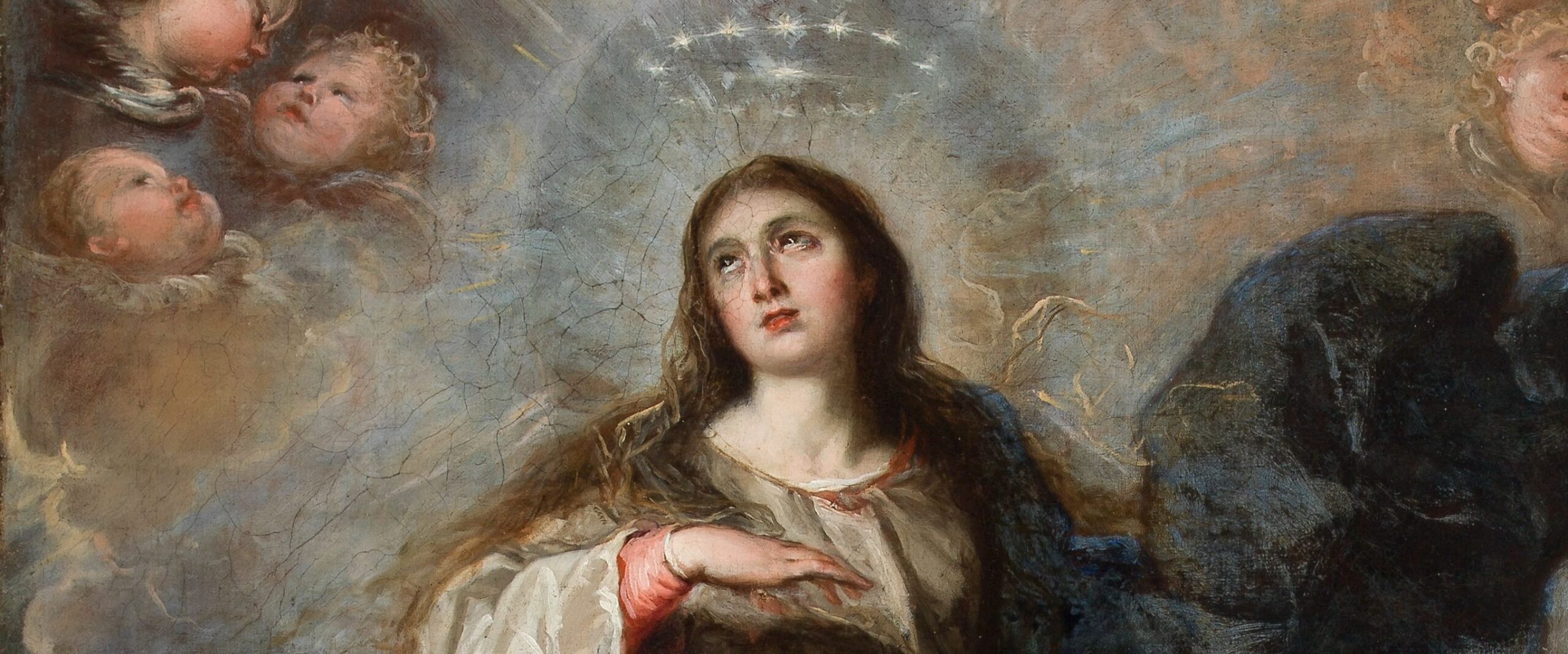
1 Pet 2 calls the baptized a “royal priesthood” to offer spiritual sacrifices: Mary fulfilled this priesthood in an eminent and singular way. At the Presentation of Jesus in the Temple, she offered her own Son to the Father with her hands, forty days after His birth. On Calvary, at the foot of the Cross, she offered to the Father once again the Son who was dying: not as abandonment but as a mother’s consent to the redemptive sacrifice. Mary is the royal priesthood in its highest form. Jn 14 says, “let not your hearts be troubled”: Mary is the model of this peace. Simeon had announced that a sword would pierce her soul, and she would not flee. Acts 6 shows the community electing servants so that the Twelve may devote themselves to the Word and to prayer: Mary is, in the Upper Room, according to Acts 1:14, the model of the silent service that claims no prominence but perseveres in prayer with the community. Jn 14 says that whoever believes will do greater works: Mary, who believed most deeply, became the channel of grace through which the Spirit continues to accomplish His works in the world, centuries after the Ascension.
Postgraduate Program in Mariology
Would you like to deepen your formation in Mariology? Discover the Postgraduate Program in Mariology of Locus Mariologicus – an academic formation that unites theological rigor, spiritual life, and the living tradition of the Church.




Responses