Saint Gregory II, III and the Second Council of Nicaea – the cult of Mary and images (Doctrina Pontificia IV, nn. 62-97)
Popes Saint Gregory II (715-731) and Saint Gregory III (731-741), together with the Second Council of Nicaea (787), presided over by the legates of Pope Hadrian I, constitute one of the richest periods of conciliar Mariology with regard to the cult of images of Mary and to the professions of faith.
| Collection | Doctrina Pontificia IV: Marian Documents, nn. 61-91 |
| Popes | Saint Gregory II (715-731) | Saint Gregory III (731-741) | Hadrian I (772-795) |
| Council | Nicaea II (787) |
| Topic | Veneration of images of Mary, professions of faith |
Saint Gregory II (715-731), nn. 62-66: faith and images of Mary
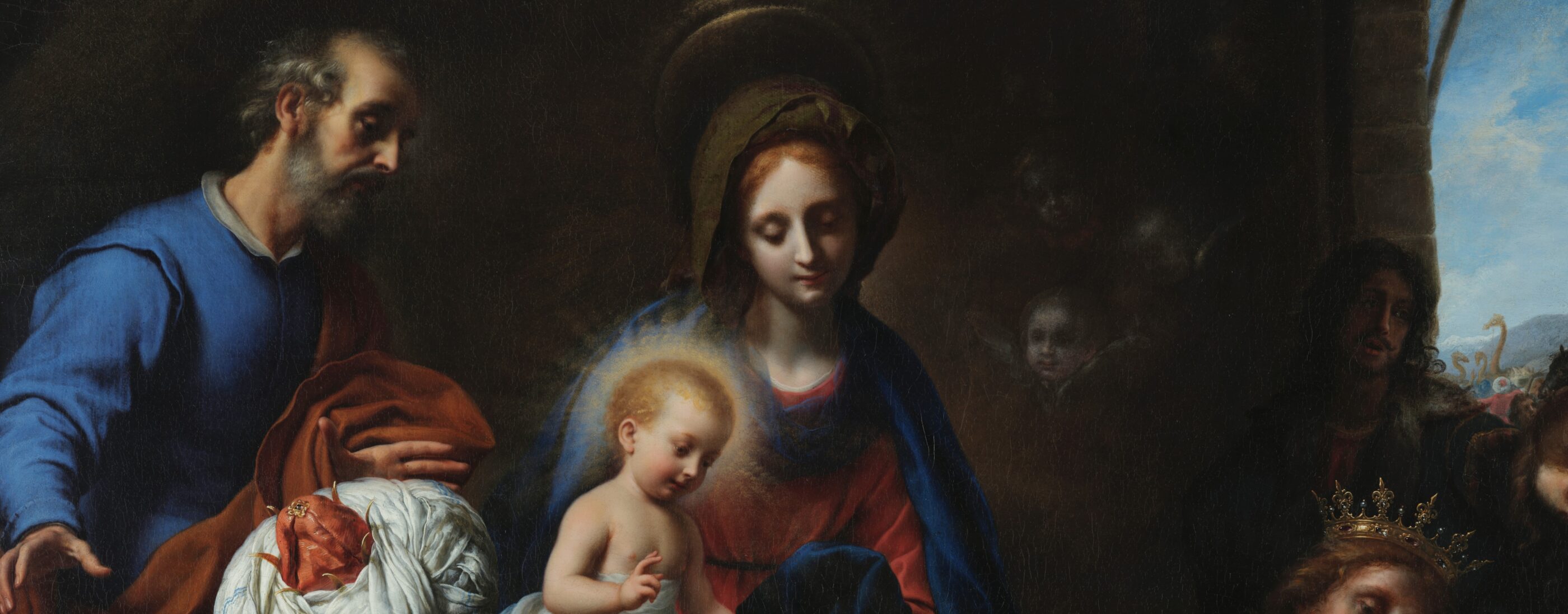
The five documents of Gregory II (nn. 62-66) address two related questions: the Marian profession of faith and the veneration of the sacred images of Mary. This pope faced the incipient iconoclasm of the Emperor Leo III the Isaurian, who wanted to destroy the sacred images, including those of Mary. Gregory II firmly maintained that the veneration of images of Mary is legitimate and traditional in the Church, distinguishing between latria (the worship of adoration, due to God alone) and dulia/proskynesis (veneration, due to the saints and their images).
“Imaginem Sanctae Dei Genitricis semperque Virginis Mariae… pie veneramur, non adoramus… quod est solius Dei, sed honoramus propter eam quam repraesentat”
, The image of the Holy Mother of God and ever-Virgin Mary… we venerate with piety, we do not adore… which belongs to God alone, but we honor it because of her whom it represents.
Saint Gregory III (731-741), n. 67: veneration of images of Mary
Gregory III deepened the theology of Marian images, convoking the Second Roman Council (732), which confirmed the position of Gregory II. His decree condemns iconoclasm and defends the ecclesial tradition of venerating images of Mary as a legitimate expression of faith in Mary Theotokos and Aeiparthenos.
Second Council of Nicaea (787), nn. 69-91: 23 professions of faith and the cult of Mary
The seventh ecumenical council, convoked by the Empress Irene and presided over by the Patriarch Tarasius of Constantinople with the legates of Pope Hadrian I, devoted twenty-three documents (nn. 69-91) to Mary. This is the largest block of Marian conciliar texts of Christian antiquity. The themes covered are:
- Marian professions of faith (various bishops subscribe to the faith of Ephesus, Chalcedon, and the Lateran Council of 649)
- Legitimate cult of Mary: the distinction between latria (divine adoration) and proskynesis/hyperdulia (the special veneration of Mary)
- Images of Mary: the image is referred to the prototype; in venerating the image of Mary, the believer venerates Mary Theotokos herself
- Mary and the Church: Mary as type and model of the Church
“Ten timian kai hagian eikona tes hyperendoxou Theotokou kai Aeiparthenos Marias… proskynountes timan, to prototype anapheroimien”
, The precious and holy image of the most glorious Mother of God and Ever-Virgin Mary… venerating it with honor, we refer it to the Prototype.
Saint Leo III (795-816), nn. 92-97: creeds
The pope of the coronation of Charlemagne (800) confirmed and sent Marian creeds to the Frankish and Roman Churches, reaffirming the unanimity of the faith in Mary’s divine motherhood and perpetual virginity. The six documents (nn. 92-97) of Leo III serve as a link between patristic-conciliar theology and the medieval era.
Further reading
Explore Mariology, Lumen Gentium ch. VIII, Rosarium Virginis Mariae, and the Postgraduate Program in Mariology.
Postgraduate Program in Mariology
Would you like to deepen your formation in Mariology? Discover the Postgraduate Program in Mariology of Locus Mariologicus – an academic formation that unites theological rigor, spiritual life, and the living tradition of the Church.
Would you like to study Mariology seriously?
This article grows out of the works in the Locus Mariologicus library. The Postgraduate Program in Mariology takes you to the same source, with academic guidance: Scripture, the Fathers of the Church, and the Magisterium, from the first dogma to contemporary questions.




Responses