John Paul II – Letter to Families and Letter to Women: Mary and the Feminine Genius
In 1994 (Letter to Families) and 1995 (Letter to Women), Saint John Paul II published two Apostolic Letters that, together with Mulieris Dignitatem (1988), constitute his Mariology of woman and of the family in a pastoral perspective. The Letter to Women, in particular, written for the Fourth World Conference on Women (Beijing, September 4-15, 1995), is historically notable.
| Pope | Saint John Paul II |
| Documents | Letter to Families (1994) | Letter to Women (June 29, 1995) |
| Context | Year of the Family 1994, UN Conference on Women 1995 (Beijing) |
Letter to Families (February 2, 1994)
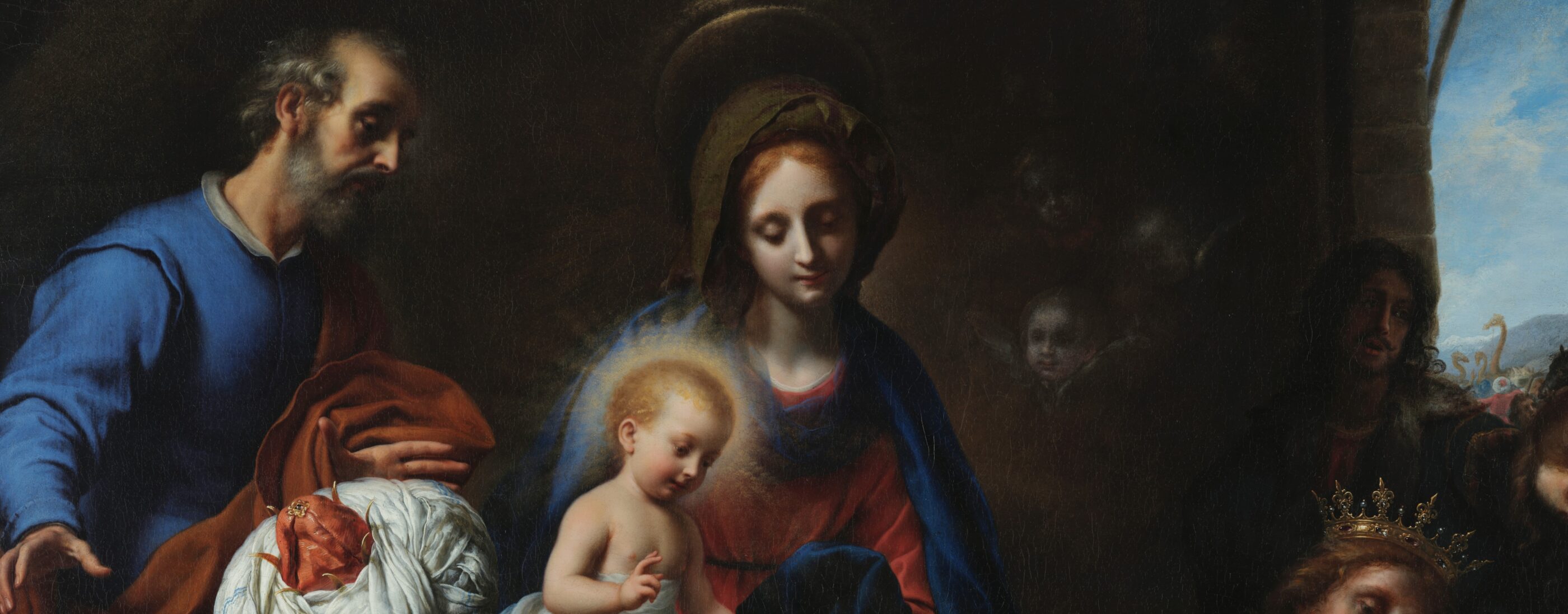
Published on the feast of the Presentation of the Lord, the Marian episode par excellence of the liturgy, the Letter to Families contains a final section on the Holy Family of Nazareth as a model of the contemporary Christian family:
«Nazareth est “schola” quam frequentaverint omnes parentes filiique christianorum. Ibi disciamus quomodo amor familiae sit reverentia ad mysterium personae alterius. Maria et Iosephus filius eorum Iesus instituerunt, sed simul ab eo discere ipsi disciti sunt, imo, illi quoque sunt eius discipuli»
Nazareth is the “school” that all Christian parents and children must attend. There let us learn how family love is respect for the mystery of the other person. Mary and Joseph taught their son Jesus, but at the same time they themselves learned from Him, and still more, they too were His disciples.
Letter to Women (June 29, 1995)
The Letter to Women was written close to the Fourth World Conference on Women of the United Nations (Beijing, September 1995). John Paul II wanted the Catholic Church to send a clear word to that conference on the dignity of women, and he did so through this Letter.
The central figure is Mary. N. 11 is explicitly devoted to Mary as the definitive model of feminine dignity:
«Maxima omnium feminarum est Beatissima Virgo Maria. Ipsa, in qua Dei perfecta dignitas genetricis humanae carnis manifestata est, est exemplum maximum mulieris. In Maria nos credemus quod nostra “matrimonialitas pristina” est nobile et altum magis quam quaecumque humana facultas. Maria docet nos quod mulier non est inferior, sed singularis et essentialis»
The greatest of all women is the Most Blessed Virgin Mary. She, in whom the perfect dignity of God as bearer of human flesh was manifested, is the greatest example of woman. In Mary we believe that our “pristine matrimoniality” is more noble and exalted than any human faculty. Mary teaches us that woman is not inferior, but singular and essential.
“Feminine Genius” and Mary
The Letter to Women develops a very original idea of John Paul II’s Mariology: the “feminine genius” (genius femineus). Mary is the perfect manifestation of that genius:
- The capacity for welcome: Mary listens to and welcomes the Word (Lk 1:38)
- The capacity to meditate: Mary keeps all these things in her heart (Lk 2:19)
- The capacity to offer: Mary offers the Son to the Temple, then to Calvary
- The capacity to create bonds: Mary unites apostles and Church (Acts 1:14)
The Request for Forgiveness (Letter to Women n. 3)
One of the most surprising texts of the Letter is John Paul II’s request for forgiveness from women for the historical failings of the Church toward them:
«Si quod fuit ofensae passae a feminis ab ipsa Ecclesia… haec quoque pro misericordia in nomine Domini imploramus»
If there was any offense suffered by women on the part of the Church herself… we also beg mercy for them in the name of the Lord.
This request for forgiveness, later confirmed in the requests for forgiveness of the Jubilee of 2000, shows a Marian magisterium that is not apologetic but self-critical, remembering, dialogical.
Synthesis: The Mary-Woman-Family Triad
The three great documents of John Paul II on women, Mulieris Dignitatem (1988), Letter to Families (1994), Letter to Women (1995), together with the Marian encyclicals (Redemptoris Mater 1987, Rosarium Virginis Mariae 2002) constitute the most developed Marian-feminine magisterium in papal history.
Further reading
Mulieris Dignitatem | Redemptoris Mater | Rosarium Virginis Mariae | Familiaris Consortio | Marian Year 1987-1988
Postgraduate Program in Mariology
Would you like to deepen your formation in Mariology? Discover the Postgraduate Program in Mariology of Locus Mariologicus, an academic formation that unites theological rigor, spiritual life, and the living tradition of the Church.
Would you like to study Mariology seriously?
This article grows out of the works in the Locus Mariologicus library. The Postgraduate Program in Mariology takes you to that same source, with academic guidance: Scripture, the Fathers of the Church, and the Magisterium, from the first dogma to contemporary questions.


Responses