Do Not Be Afraid: Jer 20, Rom 5, and the Courage of Witness in Mt 10
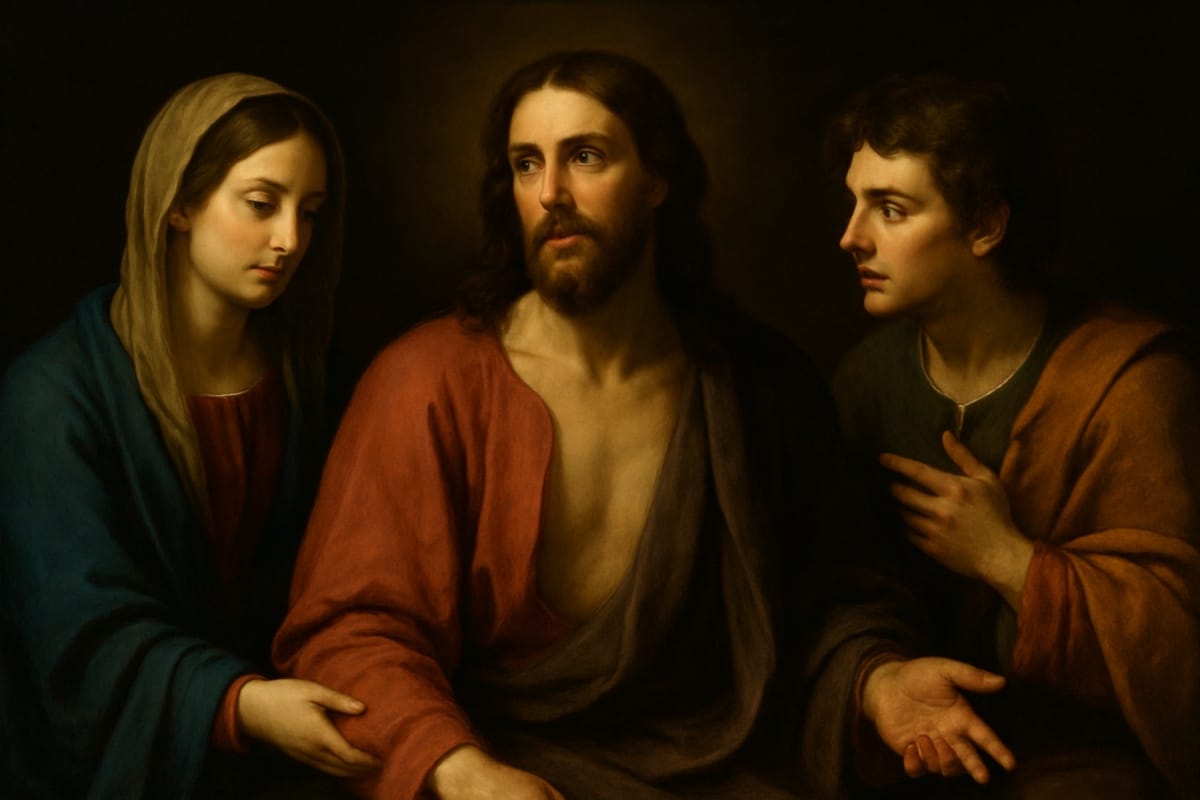
Nolite ergo timere: multis passeribus meliores estis vos.
Mt 10:31
The Twelfth Sunday in Ordinary Time, Year A, brings together three texts around the courage of witness in the face of persecution. Jer 20:10-13 presents Jeremiah listening to those who conspire against him, yet trusting that the Lord is with him like a mighty warrior. Rom 5:12-15 returns to the Adam-Christ comparison: sin entered through one man, but the gratuitous gift of Christ overflowed far more. Mt 10:26-33 gathers the teachings of Jesus on the courage of witness: not to fear those who kill the body, to trust in the Father who counts the sparrows and the hairs of the head, to acknowledge Jesus before men. The three texts describe the same structure: the outward pressure of the world that persecutes, and the inward grace that sustains the witness.
I. The first reading: Jer 20:10-13
Jeremiah hears the whispering all around him: “Terror on every side! Denounce him, let us denounce him! All my friends watch for my fall: ‘Perhaps he will let himself be deceived, and we shall overcome him and take our revenge on him’” (Jer 20:10). The conspiracy comes from those close to him, not from strangers: what hurts most is not the persecution of the distant enemy but the betrayal of acquaintances. Jeremiah’s answer is trust: “But the Lord is at my side like a mighty warrior” (v. 11). Those who persecute will stumble and will not succeed. “The Lord of hosts tests the righteous and sees the heart and the mind” (v. 12a). Jeremiah ends with a thanksgiving: “Sing praises to the Lord, praise the Lord, for He has delivered the soul of the poor man from the hands of evildoers” (v. 13). Deliverance is celebrated before it is fully visible: Jeremiah’s faith anticipates what has not yet come to pass.
II. The second reading: Rom 5:12-15
“As through one man sin entered the world, and through sin death, so death spread to all men, because all sinned” (Rom 5:12). Paul returns to the theme of Adam and Christ that he had already presented, but now he underlines the asymmetry: “The gratuitous gift is not like the trespass. For if by the trespass of one man many died, much more did the grace of God and the gift by the grace of one man, Jesus Christ, overflow upon many” (v. 15). The logic is one of excess: where sin did harm, grace did far more good. Where death entered, life overflowed all the more. This asymmetry is the foundation of Christian hope: good is stronger than evil, not by optimism but by revelation. The Risen One is the proof that grace overcomes the trespass.
III. Evangelium: Mt 10:26-33
Jesus continues the instructions to the apostles He is sending. “Do not fear men. There is nothing covered that will not be revealed, nor anything hidden that will not be known” (Mt 10:26). What Jesus says in the dark, the disciples will say in the light. The courage of witness is founded on eschatology: the truth will be revealed at the end, and therefore what is said under persecution is not in vain. “Do not fear those who kill the body but cannot kill the soul. Fear rather the one who can destroy both soul and body in Gehenna” (v. 28). The foundation of not fearing is not human bravery but the right perspective: what the world can do is limited, what God can do is absolute. “Are not two sparrows sold for a penny? And not one of them falls to the ground without your Father knowing it” (v. 29). God’s care is universal and meticulous. “Even the hairs of your head are all counted” (v. 30). And He concludes: “Whoever acknowledges me before men, I too will acknowledge him before my Father who is in heaven” (v. 32).
IV. Mary and the Do-Not-Be-Afraid
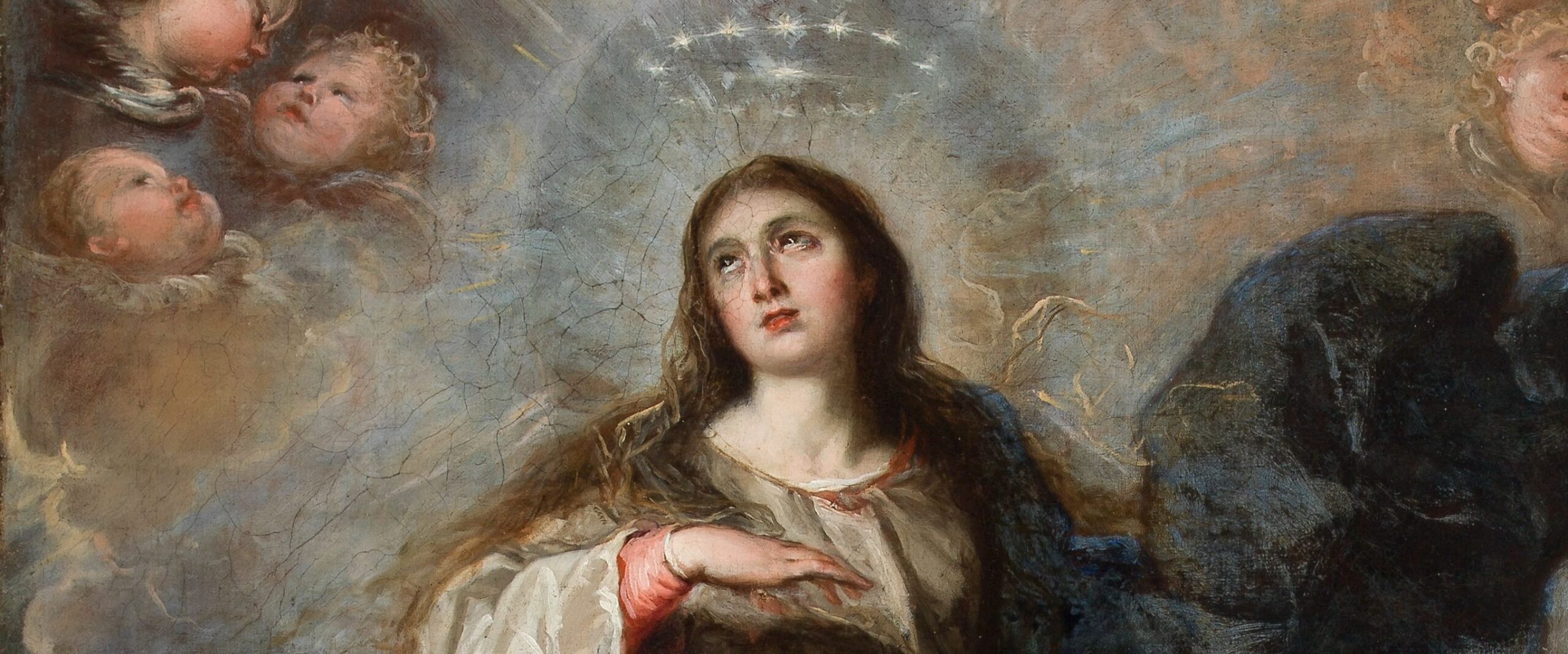
Jer 20 describes Jeremiah listening to the conspiracy of those close to him, those who plot his fall, yet trusting that the Lord is with him like a mighty warrior: Mary lived a similar version from the beginning, persecuted by Herod who wanted to kill the newborn Son, accompanying the Son persecuted by the scribes and the Pharisees, present at the Cross surrounded by enemies. And like Jeremiah, Mary did not flee: she remained, trusting that the Lord is stronger than those who persecute. Mt 10 speaks of the hairs of the head counted by the Father: tradition contemplates Mary as the creature most “counted” and known by the Father, the one predestined before all ages, the one whom God knew by name before she was conceived. The promise of Mt 10:32, “whoever acknowledges me, I will acknowledge him before the Father”, applies to Mary in a singular way: she acknowledged Jesus before any other human being, at the moment of the Annunciation, when the angel said “you will conceive in your womb” and she answered “behold, the handmaid of the Lord”. The Father will acknowledge her before all creation as the one who first said yes to the Son.
Postgraduate Program in Mariology
Would you like to deepen your formation in Mariology? Discover the Postgraduate Program in Mariology of Locus Mariologicus – an academic formation that unites theological rigor, spiritual life, and the living tradition of the Church.




Responses