Our Lady of Lourdes: The 18 Apparitions, Bernadette, and the Mariological Meaning
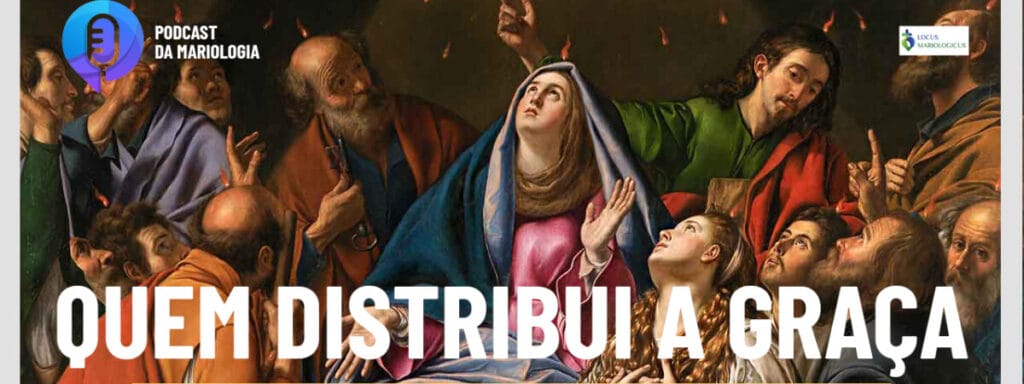
On February 11, 1858, in the grotto of Massabielle, beside the Gave River, in Lourdes, a fourteen-year-old girl named Bernadette Soubirous saw for the first time “a lady.” This was the beginning of the 18 apparitions of Our Lady of Lourdes, which transformed a village in the Pyrenees into one of the largest centers of Marian pilgrimage in the world. In the ninth episode of the Mariology Podcast, Prof. Daniel Afonso goes through the apparitions in the visionary’s own words and reflects on the mariological meaning of Our Lady of Lourdes.

I. Lourdes and the Pyrenees: The Historical Context
Lourdes is a small town located in the French Pyrenees, a few kilometers from the border with Spain. In 1858, it was a modest village, with no particular prominence on the religious map of the time. Daniel Afonso visited Lourdes in 2008, on the occasion of the International Mariological Congress held there, and was struck by the mountain landscape that frames the grotto where the apparitions of Our Lady of Lourdes took place. Geography plays a role in the spirituality of the place: the grotto of Massabielle, carved into the rock, beside the river, conveys a sense of recollection and intimacy that the millions of annual pilgrims have not managed to erase.
II. Bernadette Soubirous: The Visionary of Our Lady of Lourdes
Bernadette Soubirous was born on January 7, 1844, the daughter of a ruined miller. Her family lived in destitution, housed in a former municipal jail, the cachot, because they could not afford decent lodging. Bernadette was a healthy but illiterate child, who barely knew the catechism. This profile of poverty and doctrinal ignorance was emphasized by the ecclesiastical investigators as a sign of the authenticity of the apparitions: a child in such conditions could not have invented the theological message she transmitted. The apparitions of Our Lady of Lourdes happened to the one least expected.
III. The First Apparitions: From the Grotto to the Crowd
In the first apparition, on February 11, 1858, Bernadette saw in the grotto “a lady dressed in white, with a blue sash, a rosary of white beads in her hands, and a golden rose on each foot.” The visionary immediately began to pray the Rosary. In the apparitions that followed, the news spread and crowds accompanied Bernadette to the grotto. At the fourth apparition, on February 19, more than a hundred people were present. It was on this day that, according to the visionary’s testimony, demonic voices disturbed the encounter, but the Lady silenced them with a simple gesture. The episode illustrates the dimension of spiritual combat that accompanies the great apparitions of Our Lady of Lourdes.
IV. The Message: Penance, Conversion, and Processions
The central message of Our Lady of Lourdes to Bernadette is simple and demanding: penance, prayer for sinners, the building of a chapel, and processions. This message is neither esoteric nor complicated: it is the call to conversion that runs through the entire biblical history of the prophets. The Virgin asks that people pray for the world, that penance be done for sins, and that the Church gather in procession to profess her faith publicly. Our Lady of Lourdes does not bring a new revelation; she recalls the Gospel in its most concrete urgency.
V. “I Am the Immaculate Conception”
The sixteenth apparition, on March 25, 1858, is the most important from the mariological point of view. Bernadette, instructed by her confessor to ask the Lady’s name, heard the answer: “I am the Immaculate Conception.” The child did not even know the meaning of these words; she merely reproduced them phonetically to her confessor. The statement carries enormous theological weight: less than four years earlier, on December 8, 1854, Pope Pius IX had dogmatically defined the Immaculate Conception. Our Lady of Lourdes confirmed the dogma with her own voice, on the lips of an unlettered child.
VI. The Mariological Meaning of the Apparitions of Lourdes
Our Lady of Lourdes occupies a unique place in the history of contemporary Mariology. Her apparitions are not a phenomenon parallel to theology; they are an ecclesial event recognized by the Church that illuminates and confirms Marian doctrine. The statement “I am the Immaculate Conception” is not merely a private revelation; it is an act of the extraordinary Magisterium in which the Virgin herself defines herself according to the privilege the Church had just proclaimed. Whoever wishes to delve into the theological meaning of the apparitions of Our Lady of Lourdes will find at Locus Mariologicus the Postgraduate Program in Mariology, where these dimensions are studied with rigor. Cf. Lumen Gentium, no. 65: “Mary shines forth as a sign of sure hope and solace for the people of God”.
Postgraduate Program in Mariology
Would you like to deepen your formation in Mariology? Discover the Postgraduate Program in Mariology of Locus Mariologicus – an academic formation that unites theological rigor, spiritual life, and the living tradition of the Church.
See the complete list of Marian apparitions recognized by the Church.
Would you like to study Mariology seriously?
This article is born of the works in the library of Locus Mariologicus. The Postgraduate Program in Mariology takes you to the same source, with academic guidance: Scripture, the Fathers of the Church, and the Magisterium, from the first dogma to contemporary questions.




Responses