Holy Mary, Mother of God: A Liturgical Analysis

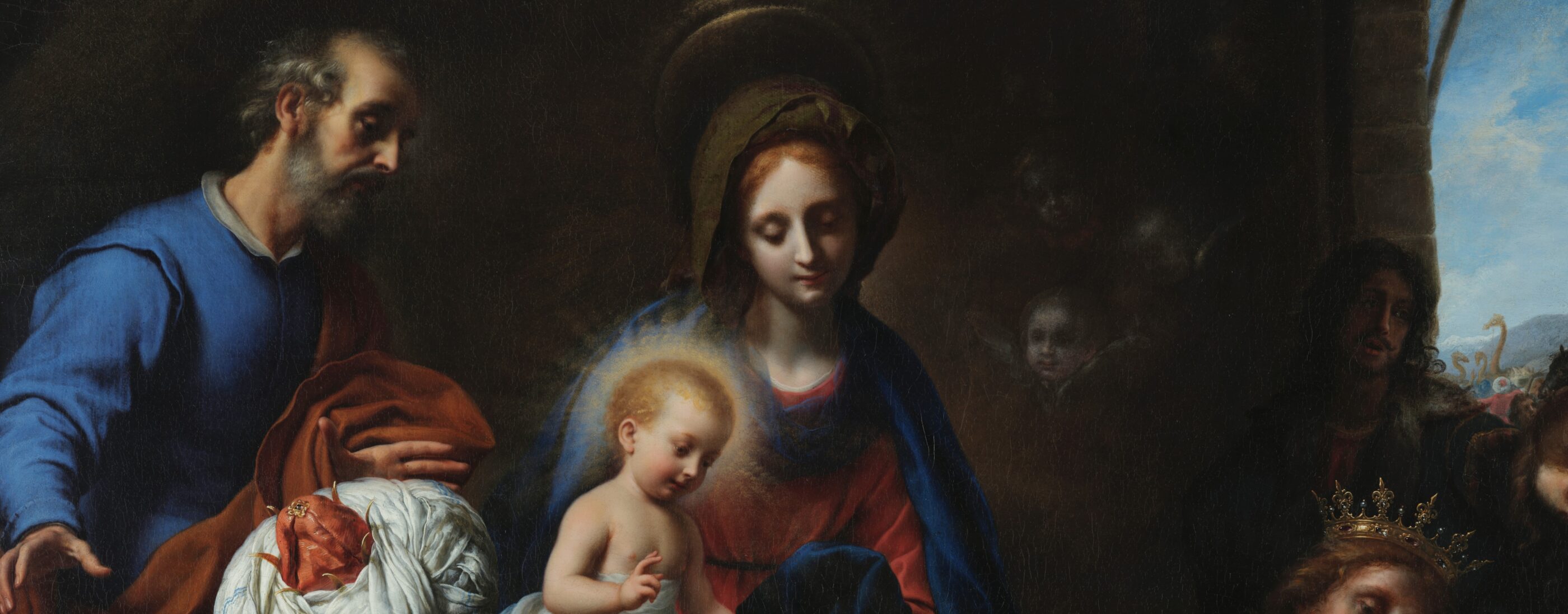
The Solemnity of Holy Mary, Mother of God, celebrated on the first day of the year, is a liturgical moment of deep reverence and contemplation in the Christian tradition. This celebration, rooted in the heart of the liturgical season of Christmas, is preceded by First Vespers, which marks its importance in the ecclesiastical calendar.
Entrance Antiphon and Collect
The Entrance Antiphon and the Collect of this solemnity are poetic expressions of the Christian faith, praising the Virgin Mary, who brought the Savior into the world. These liturgical texts reveal the theological depth of the celebration, reinforcing belief in Mary’s fruitful virginity and in her crucial role in eternal salvation.
Liturgy of the Word
The Liturgy of the Word on this solemnity is particularly rich. It includes readings from the Old and New Testaments, responsorial psalms, and the Gospel, all focused on the central figure of Mary and on the mystery of the Incarnation. Each element of this liturgy contributes to a deeper understanding of Mary’s role in God’s saving plan.
Prayer over the Offerings and Preface
The Prayer over the Offerings and Preface I of the Blessed Virgin Mary emphasize Mary’s unique motherhood and her role as Mother of God. These texts underline the faith that, by the power of the Holy Spirit, Mary conceived Jesus Christ while preserving her virginity, and thus brought the eternal light into the world.
Divine Motherhood in the Liturgy of Advent and Christmas
The Solemnity of Holy Mary, Mother of God, is inseparable from the liturgical period of Advent and Christmas, in which the figure of Mary is central. This period is a continuous celebration of her divine, virginal, and saving motherhood. The liturgy of this season highlights Mary’s participation in the economy of salvation, as described in Lumen Gentium and other ecclesiastical documents.
The Fruitful Virginity and the Motherhood of Mary
Mary’s fruitful virginity is a fundamental theme in Mariology and in Christian liturgy. The Liturgy of the Hours and other prayers of the Church highlight this truth, portraying Mary as the Virgin who conceived and gave birth in a miraculous way. Mary’s virginity is seen as a sign of her total self-giving to God and of the divine origin of Jesus.
“the Holy Spirit will overshadow you”
This central theme reflects the belief that the Incarnation of Christ and the divine motherhood of Mary were works of the Holy Spirit. This doctrine is celebrated in various hymns and prayers of the liturgy, which highlight the role of the Holy Spirit in the conception and birth of Jesus.
Mary, Mother of the Church
Mary is recognized not only as the Mother of Christ but also as the Mother of the Church. This doctrine, emphasized at the Second Vatican Council and in other magisterial documents, sees Mary as having a special relationship with all the members of the Body of Christ, caring for them with maternal love.
Conclusion
The Solemnity of Holy Mary, Mother of God, is a liturgical moment of profound significance, highlighting Mary’s unique role in the history of salvation. Every element of this celebration, from the antiphons and prayers to the readings and canticles, contributes to a richer understanding of Mary’s divine motherhood and of her inseparable role in the mystery of Christ and of the Church. This solemnity is not only a celebration of Mary but also an invitation to reflect on the mystery of the Incarnation and on the saving work of Christ.
Deepen your studies: explore Mariology, Marian Theology, Marian apparitions, and the Postgraduate Program in Mariology.
For a deeper liturgical reflection on Mary, Mother of God, consult the Apostolic Exhortation Marialis Cultus of Pope Paul VI.
Postgraduate Program in Mariology
Would you like to deepen your formation in Mariology? Discover the Postgraduate Program in Mariology of Locus Mariologicus — an academic formation that unites theological rigor, spiritual life, and the living tradition of the Church.
Would you like to study Mariology seriously?
This article grows out of the works in the Locus Mariologicus library. The Postgraduate Program in Mariology takes you to the same source, with academic guidance: Scripture, the Fathers of the Church, and the Magisterium, from the first dogma to contemporary questions.




Responses