The Depth of Mariology in the Christian Faith: Reflections and Perspectives

Introduction to Mariology in the current landscape
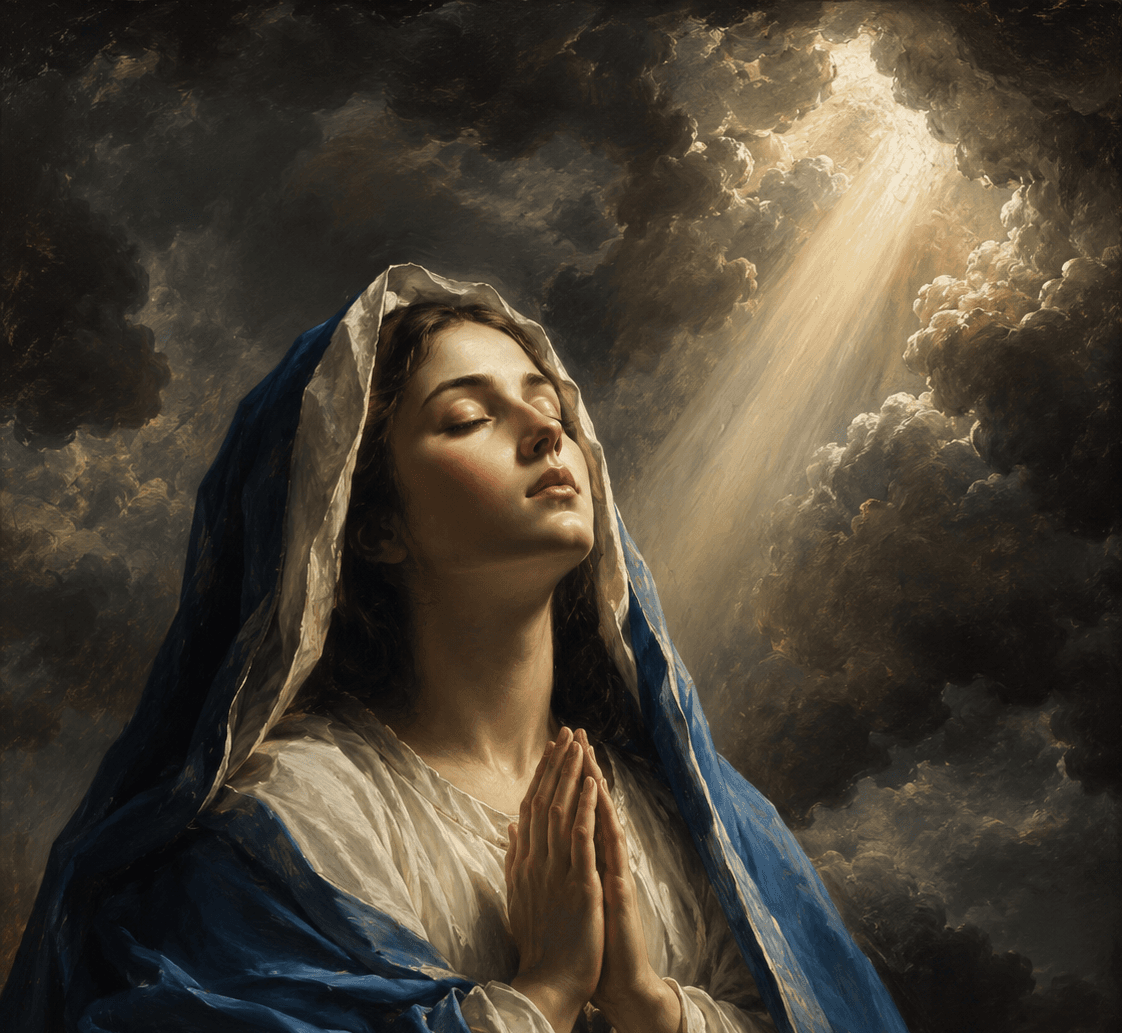
In the current ecclesial scene, Mariology takes on renewed relevance, particularly during the pastoral year, which is markedly Marian. This period reaffirms the importance of the Virgin Mary in the Christian faith and offers the faithful an opportunity to reflect deeply on her spiritual and theological influence. Mariology, by studying the life of Mary and her relationship with Jesus and the Church, opens paths to a deeper understanding of the Incarnation, the Redemption, and divine grace. This year now beginning invites everyone to a deeper introspection on how Mary, as mother and disciple, is uniquely interwoven into the history of salvation and of the doctrinal development of the Church.
The Marian image of the Visitation
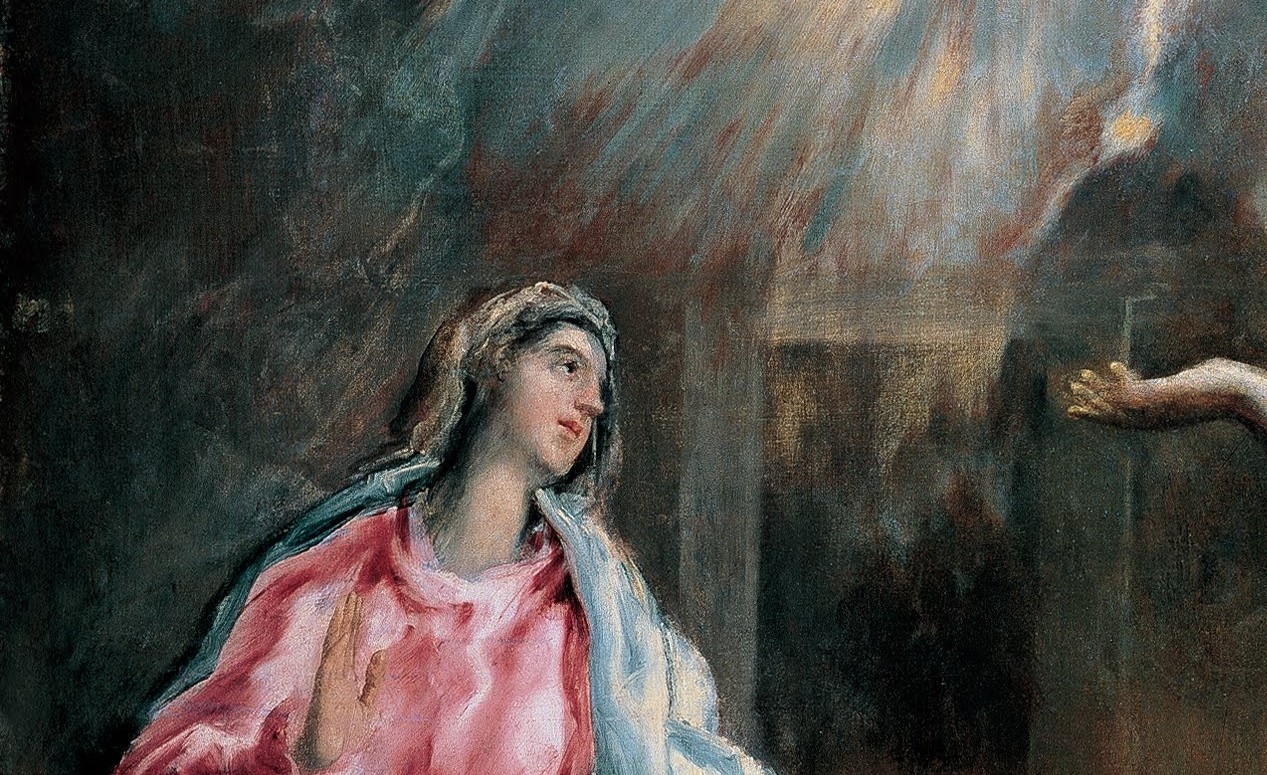
The biblical narrative of Mary’s visit to her cousin Elizabeth is one of the episodes richest in meaning in Mariology. This encounter, which transcends a mere historical event, symbolizes the interaction between the human and the divine. Mary, in accepting the angel’s message, not only shows unwavering faith, but also presents herself as a model of readiness and service. Her journey to Elizabeth is a reflection of her mission and of her willingness to take an active part in God’s plan of salvation. The visit emphasizes the importance of community, mutual support, and the sharing of faith, fundamental aspects of Christian living. This episode also foreshadows the mission of Jesus, highlighting Mary’s role as the first bearer of the Gospel, anticipating the message of salvation that Jesus will preach.
Mary as a model of discipleship
Mary, as a central figure in the history of salvation, offers an extraordinary example of discipleship and obedience to God. Her “Here I am” before the angel Gabriel is a moment of profound surrender and acceptance of the divine will. This act of faith is not confined to passivity, but is an active choice to take part in God’s saving work. Mary, on her journey from the Annunciation to Easter and Pentecost, shows a faith that is dynamic, engaging, and deeply incarnate. She is not only a recipient of divine grace, but also acts as an active collaborator in the mystery of the Redemption. Mary, as the mother of Jesus, participates in a unique way in the mission of her Son, reflecting and extending God’s redeeming love to all humanity. Her constant presence at the crucial moments of Jesus’ life underscores her importance as the first disciple, a silent yet powerful witness to God’s saving love.
Mary’s role in Christianity
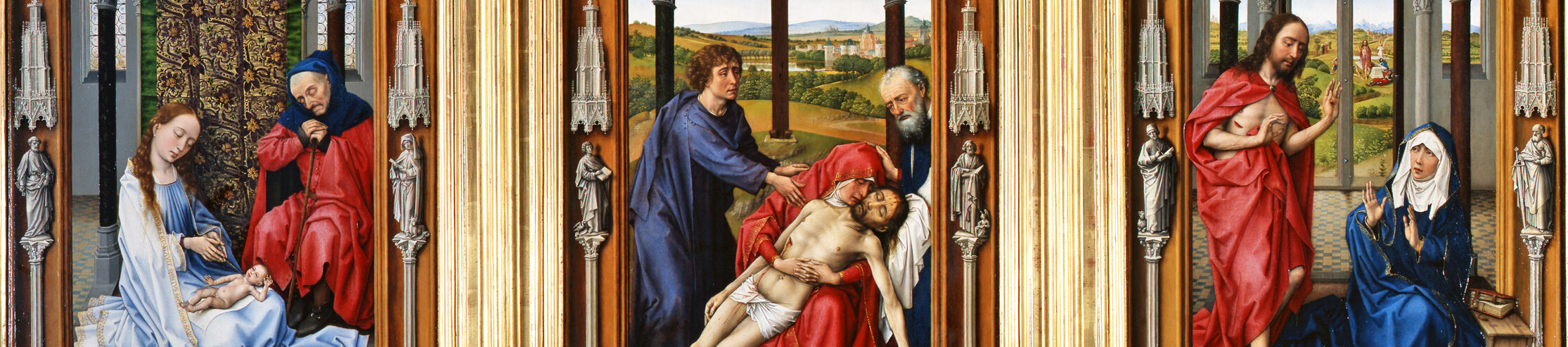
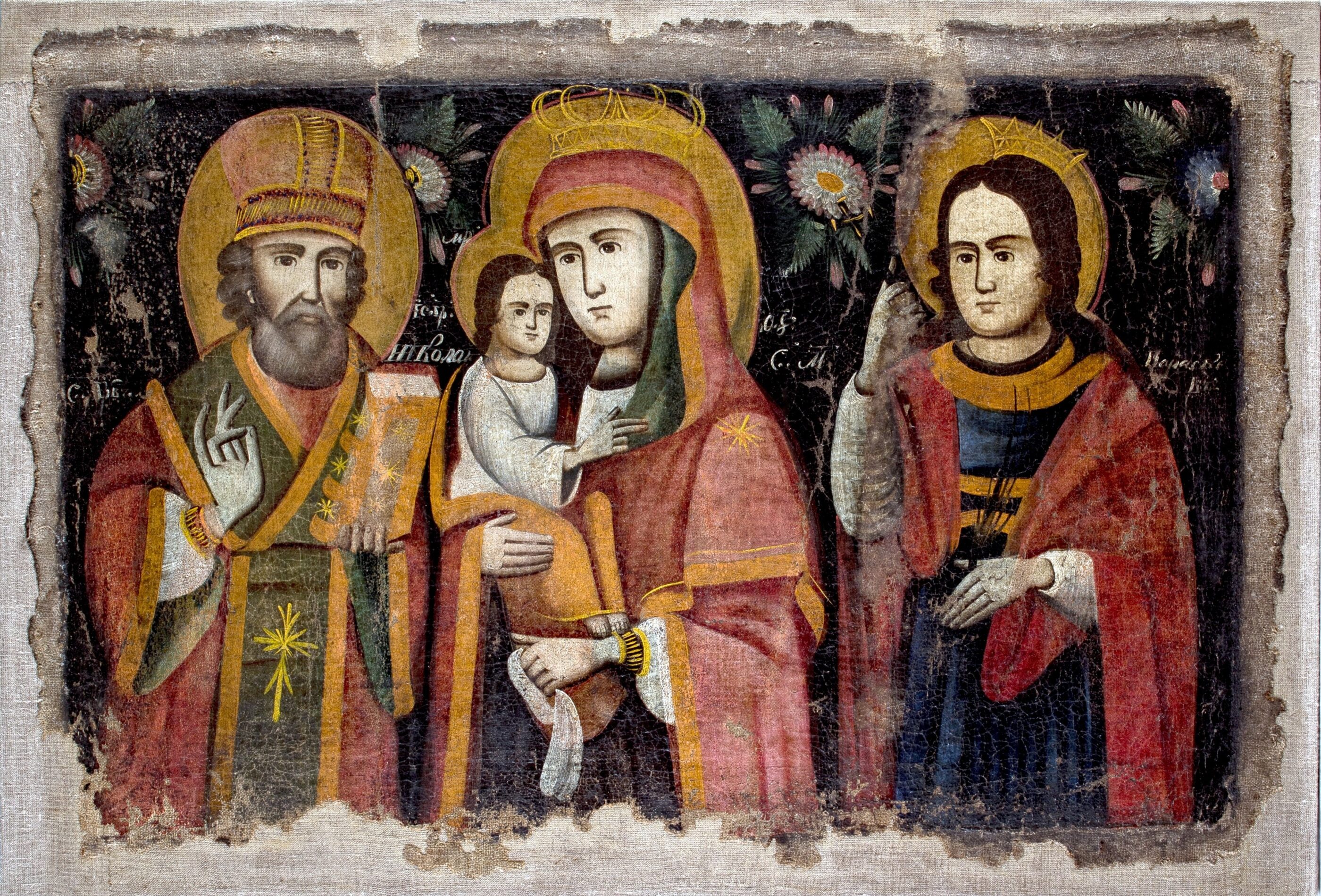
Mary holds a special place at the heart of Christianity, not only as the mother of Jesus, but also as a living symbol of faith and grace. Her presence at the fundamental events of Jesus’ life, such as the Annunciation, the birth, the crucifixion, and the Resurrection, highlights her intimate participation in the mystery of the Redemption. Mary is more than a historical figure. She is a continual presence that pervades the life of the Church and of the faithful. Over the centuries, Marian theology and devotion have developed, reflecting not only the Church’s understanding of Mary, but also her role as mediatrix of graces and example of pure and unwavering faith. The doctrine of Mary as Theotokos (Mother of God), established at the first ecumenical councils, illustrates the depth of her role in the history of salvation and in the life of the Church. The veneration of Mary is not an end in itself, but a path that leads the faithful to a deeper relationship with Christ and a stronger commitment to the teachings of the Gospel.
The depth of Mariology finds its most solid foundation in John Paul II’s encyclical Redemptoris Mater, an essential reference for understanding Mary in the contemporary theological landscape.
Conclusion
In reflecting on Mariology, we are called to recognize Mary not merely as a historical or theological figure, but as a living example of faith, obedience, and unconditional love. Her journey of faith, from her humble answer to the angel to her presence at the foot of the cross, offers a model for all Christians who seek to live their faith more authentically and deeply. In Mary, we find a disciple who inspires us to accept God’s will with courage and to live the Gospel with total and loving dedication. She remains a beacon of hope, an example of sacrificial love, and a constant reminder of the transforming power of divine grace in the life of the faithful.
Delve deeper into your studies: explore Mariology, Marian Theology, Marian apparitions, and the Postgraduate Program in Mariology.
Postgraduate Program in Mariology
Would you like to deepen your formation in Mariology? Discover the Postgraduate Program in Mariology of Locus Mariologicus, an academic formation that unites theological rigor, spiritual life, and the living tradition of the Church.
Would you like to study Mariology seriously?
This article grows out of the works in the Locus Mariologicus library. The Postgraduate Program in Mariology takes you to the same source, with academic guidance: Scripture, the Fathers of the Church, and the Magisterium, from the first dogma to contemporary questions.

Responses