Marian Apparitions Recognized by the Church: The List
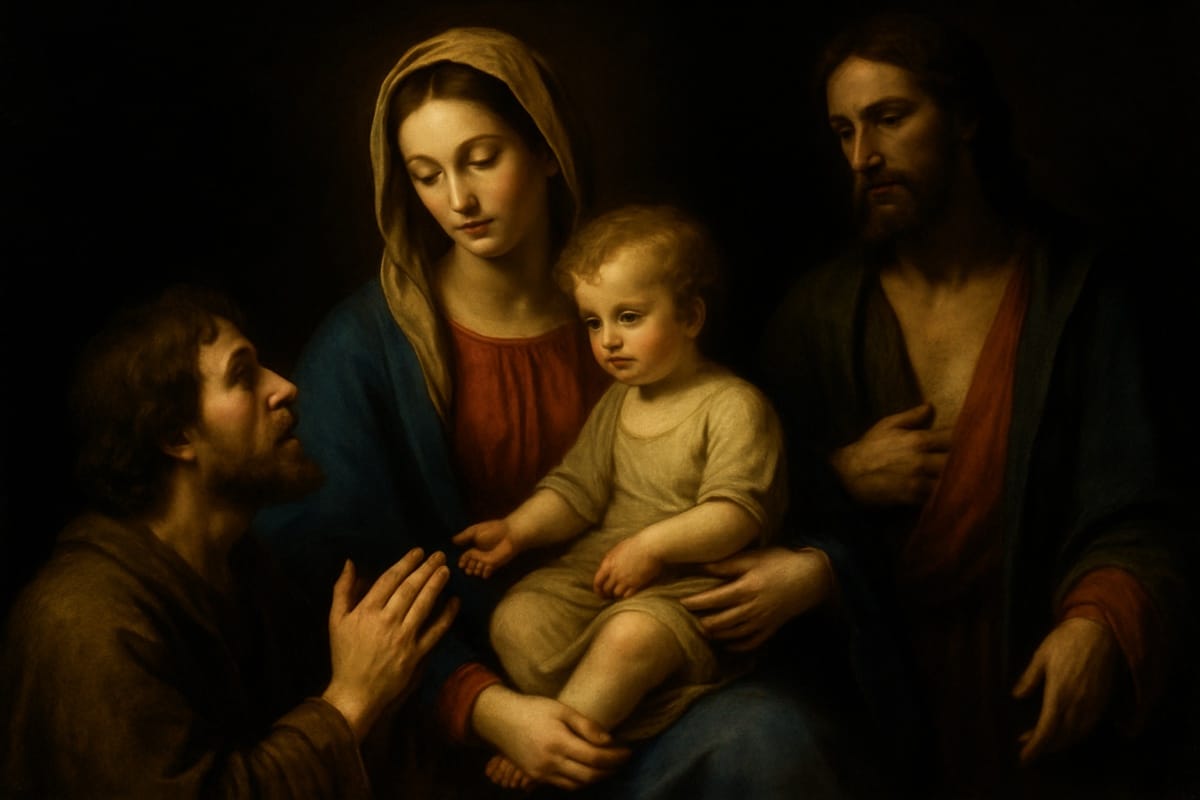
Over the centuries, Our Lady has manifested herself in various places throughout the world. But not every apparition is accepted: the Church examines each case with extreme rigor before declaring that nothing stands against the faith (nihil obstat). We gather here the main Marian apparitions recognized by the Church and the criteria used to discern them.
What Does a “Recognized” Apparition Mean?
To recognize an apparition is not to proclaim it a dogma. It means that the authority of the Church – generally the local bishop, with the confirmation of the Holy See – has examined the facts and concluded that the devotion may be authorized, since it contains no error against the faith and produces good spiritual fruits. The norms were laid down by the Congregation for the Doctrine of the Faith in 1978 and updated in 2024; in most cases they give preference to the nihil obstat rather than to a declaration of supernaturality.
The Criteria of Discernment
The Church weighs, among others: the doctrinal fidelity of the message (nothing against Scripture, Tradition, and the Magisterium); the seriousness and balance of the seers; the lasting spiritual fruits (conversion, prayer, charity); and the absence of error, fraud, or self-interest. Prudence is the rule: better to take time than to rush.
Main Approved Apparitions
- Guadalupe (Mexico, 1531) – to Saint Juan Diego;
- Paris / Miraculous Medal (France, 1830) – to Saint Catherine Labouré;
- La Salette (France, 1846) – a call to conversion;
- Lourdes (France, 1858) – to Saint Bernadette: “I am the Immaculate Conception”;
- Pontmain (France, 1871) – Our Lady of Hope;
- Fatima (Portugal, 1917) – to the three shepherd children;
- Beauraing and Banneux (Belgium, 1932-1933);
- Akita (Japan, 1973) · Kibeho (Rwanda, approved in 2001).
Apparitions Are Not Dogma: Public and Private Revelation
It is essential to distinguish: public Revelation was closed with the death of the last Apostle (CCC 66-67). Approved apparitions are private revelations – they add nothing to the deposit of faith; they only help to live it more fully at a given moment. For this reason, even when recognized, no apparition binds faith as a dogma does.
Mary, Sign of Hope
The approved apparitions converge on one and the same message: conversion, prayer, and trust in Christ, through Mary. They feed neither curiosity nor fear; they lead to the Gospel. That is the ultimate criterion – every true manifestation of Our Lady points to the Son.
Apparitions in Detail
See also
Explore this theme more deeply through all our articles in the Apparitions archive.
Frequently Asked Questions
Which Marian apparitions does the Church recognize?
Among the main ones: Guadalupe, Paris (the Miraculous Medal), La Salette, Lourdes, Pontmain, Fatima, Beauraing, Banneux, Akita, and Kibeho.
Does recognizing an apparition make it a dogma?
No. Apparitions are private revelations: they authorize the devotion, but they add nothing to the deposit of faith, nor do they bind as a dogma.
Who approves a Marian apparition?
Generally the local bishop, with the confirmation of the Holy See, according to the norms of the Congregation for the Doctrine of the Faith.
Text of the Locus Mariologicus Institute, founded in Rome. Scientific direction by Prof. Dr. Daniel Cerqueira Afonso (PhD, Marianum).
See also
Would you like to study Mariology seriously?
This article grows out of the works in the Locus Mariologicus library. The Postgraduate Program in Mariology takes you to the same source, with academic guidance: Scripture, the Fathers of the Church, and the Magisterium, from the first dogma to contemporary questions.





Responses