Our Lady of Nazareth and the Círio de Nazaré
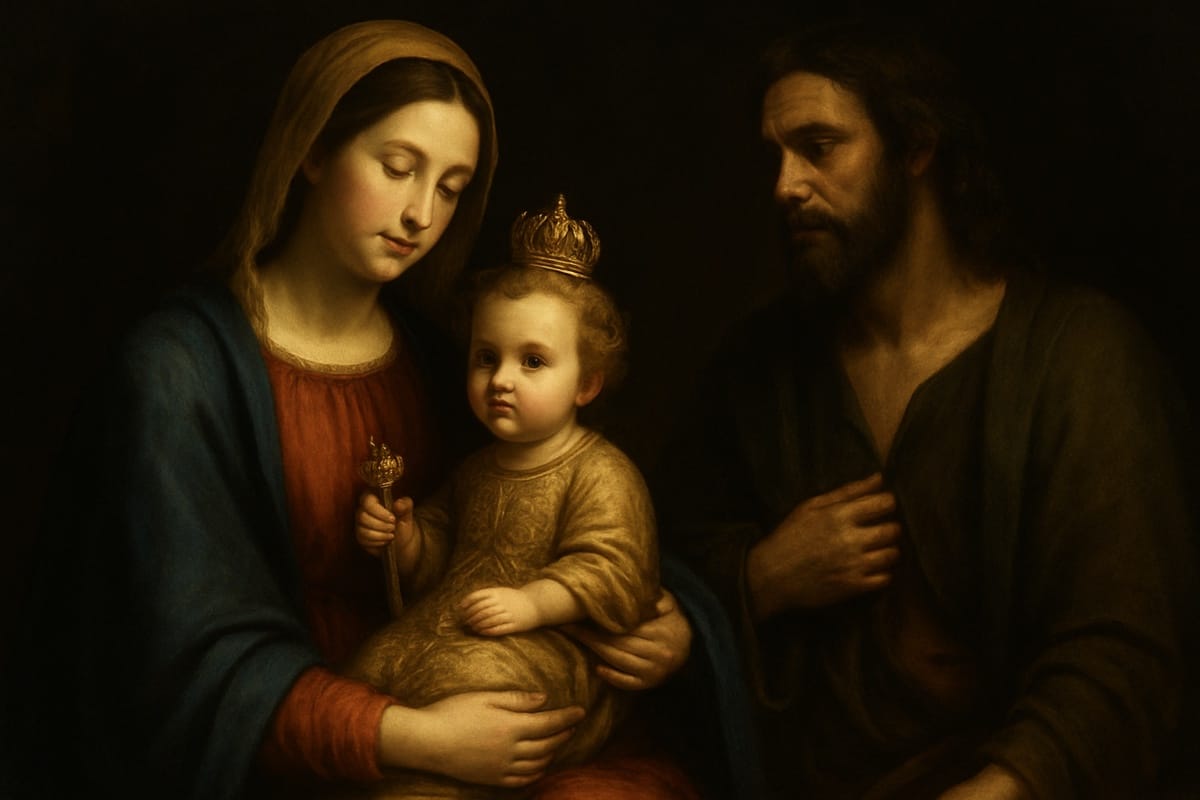
Our Lady of Nazareth is one of the most beloved Marian invocations of the Portuguese-speaking world, and her feast in Belém do Pará – the Círio de Nazaré – is one of the largest religious gatherings on the planet, bringing together about two million people. This guide presents the origin of the devotion and its expression in Brazil.
Origin in Portugal
The devotion was born in Nazaré, Portugal, linked to an image of the Virgin venerated since the Middle Ages. Tradition recounts the episode of Dom Fuas Roupinho (twelfth century), saved from a precipice by the intervention of Our Lady. From there the devotion crossed the Atlantic with the Portuguese.
The Círio de Nazaré in Belém
In Brazil, the devotion took root above all in Belém do Pará, where, around 1700, the caboclo Plácido found a small image of Our Lady of Nazareth beside a creek. Around that discovery an immense devotion was born. The Círio de Nazaré, held on the second Sunday of October, is a grand procession in which the image is carried through the city amid a multitude of pilgrims fulfilling their promises. Our Lady of Nazareth is the patroness of Pará.
The meaning
The Círio is a living expression of popular piety: gratitude, promises fulfilled, and faith made flesh in Amazonian culture. As in all Marian shrines, what is venerated is not the image itself, but the maternal presence of Mary who leads to Christ.
Frequently Asked Questions
When is the Círio de Nazaré?
On the second Sunday of October, in Belém do Pará.
Where does the devotion come from?
From Nazaré, Portugal; it reached Brazil with the Portuguese and took root in Belém.
See also
Would you like to study Mariology seriously?
This article grows out of the works in the Locus Mariologicus library. The Postgraduate Program in Mariology takes you to the same source, with academic guidance: Scripture, the Fathers of the Church, and the Magisterium, from the first dogma to contemporary questions.





Responses