God Sees the Heart: 1 Sam 16, Eph 5, and the Man Born Blind in Jn 9
Homo videt ea quae parent, Dominus autem intuetur cor.
1 Sam 16:7
The Fourth Sunday of Lent in Year A, Laetare Sunday at the midpoint of Lent, brings together three texts around the theme of sight and light. 1 Sam 16:1b, 6-7, 10-13a recounts the anointing of David: Samuel is sent to Bethlehem, passes over the elder sons of Jesse, and it is the youngest, the one who was keeping the flock, who is chosen by God. Eph 5:8-14 exhorts us to pass from darkness to light: “Once you were darkness, but now you are light in the Lord: walk as children of light.” Jn 9:1-41 presents the man born blind who progressively receives sight, physical and spiritual, while the Pharisees, who think they see, become ever more blind. The three texts describe the same paradox: the one who seems to see is blind, the one who seems blind begins to see, and God chooses the one whom men pass over.
I. The First Reading: 1 Sam 16:1b, 6-7, 10-13a
The Lord sent Samuel to Bethlehem to anoint one of the sons of Jesse. When Samuel saw Eliab, he thought: “Surely this is the Lord’s anointed” (v. 6). But the Lord said: “Do not look at his appearance, nor at his lofty stature, for I have rejected him. For it is not as man sees: man looks at what is before his eyes, but the Lord looks at the heart” (v. 7). Seven sons passed before Samuel and none was chosen. Samuel asked Jesse whether there were any more. There was the youngest, who was out keeping the flock. He was called. He was ruddy, with beautiful eyes and a handsome presence. The Lord said: “Rise and anoint him: this is he” (v. 12). Samuel anointed David, and the spirit of the Lord seized upon him from that day on (v. 13a). The divine criterion overturns the human one: not stature, not primogeniture, not an imposing appearance, but the heart. Lent invites us to let God see the heart instead of presenting only the appearance.
II. The Second Reading: Eph 5:8-14
“Once you were darkness, but now you are light in the Lord. Walk as children of light” (Eph 5:8). Paul does not say that they were in darkness: he says that they were darkness. The transformation is ontological, not merely circumstantial. The fruit of the light is “all goodness, righteousness, and truth” (v. 9). Paul exhorts us not to take part in the unfruitful works of darkness, but rather to expose them to the light. “Everything that is exposed to the light becomes light” (v. 13). And he quotes what appears to be a primitive baptismal hymn: “Awake, O sleeper, rise from the dead, and Christ will shine upon you” (v. 14). The liturgy of the Fourth Sunday of Lent is preeminently the liturgy of the light that is drawing near: Easter is close, the baptism of the Easter Vigil is imminent, the night will soon be over.
III. Evangelium: Jn 9:1-41
Jesus passes by a man blind from birth. The disciples ask: “Who sinned, this man or his parents, that he was born blind?” Jesus answers: “Neither did he sin, nor his parents: it is so that the works of God may be made manifest in him” (Jn 9:3). Jesus makes mud with saliva, anoints the blind man’s eyes, and sends him to wash in the pool of Siloam, which means “Sent” (v. 7). The blind man went, washed himself, and came back seeing. The neighbors and acquaintances are divided. The Pharisees investigate. The man begins to see more than the eyes see: “He is a prophet” (v. 17). The Pharisees press him, and his parents as well. The man holds firm: “One thing I know: I was blind and now I see” (v. 25). He is expelled from the synagogue. Jesus goes out to meet him and asks him whether he believes in the Son of Man. The man prostrated himself and worshiped (v. 38). Jesus says: “For judgment I came into this world: that those who do not see may see, and those who see may become blind” (v. 39). The Pharisees, who think they see, become ever more blind. The blind man, who could claim nothing, becomes the one who worships.
IV. Mary and the Sight of the Heart
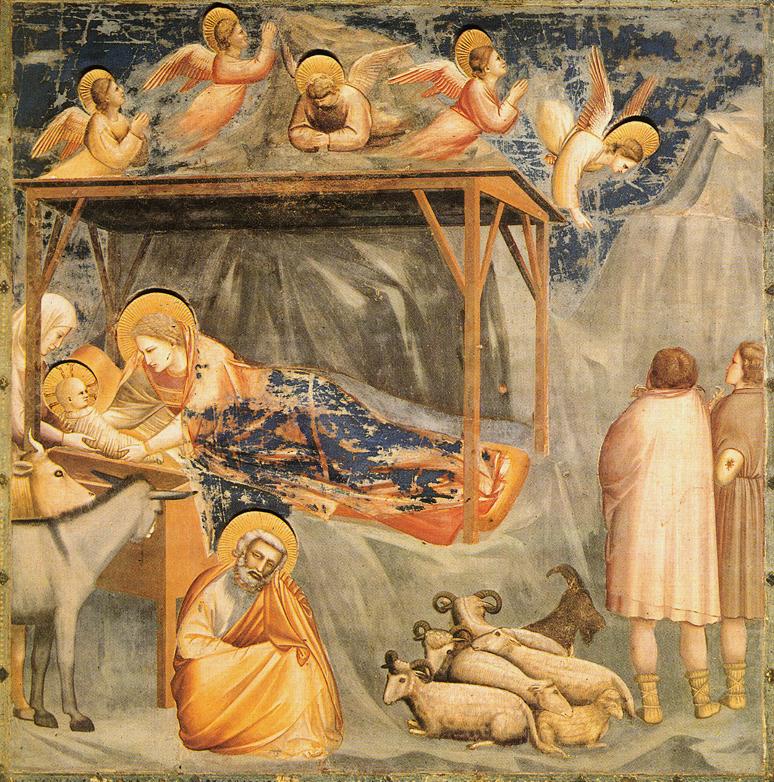
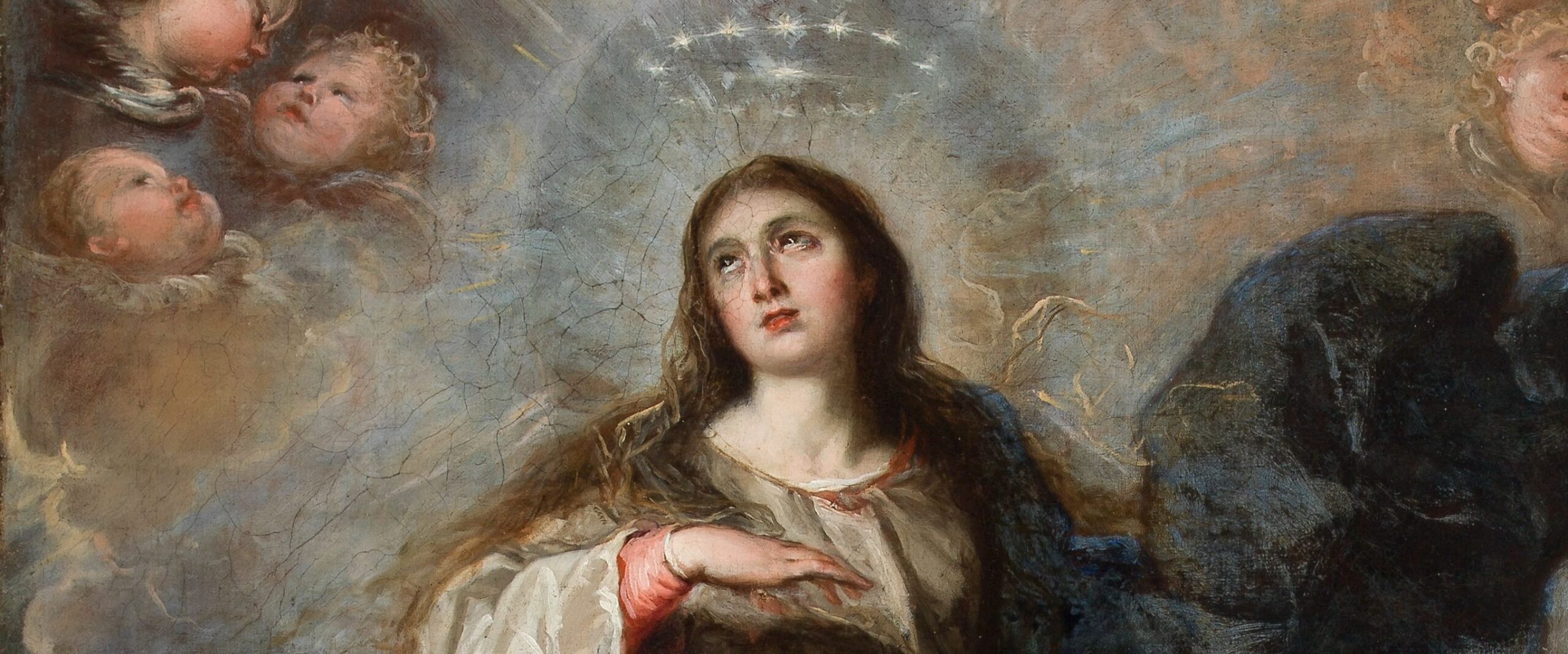
1 Sam 16 says that God sees the heart, not the appearance. Mary was not chosen for her status, for her social position in Nazareth, nor for her visibility in the Israel of her time. She was chosen for her heart: for the interior disposition of total availability to the will of God. The same criterion that rejected Eliab and chose David rejected the powerful women of Israel and chose the young woman of Nazareth. Eph 5 speaks of darkness that becomes light: Mary was never darkness in the Pauline sense, but her light has the same origin, the Spirit of Christ who overshadowed her. And Jn 9 presents the blind man who went to the pool of Siloam, the Sent One, and came back seeing. Mary was the one who brought the Sent One into the world: at the Visitation, when she arrived at Elizabeth’s house, her voice made the infant John leap for joy in his mother’s womb (Lk 1:41). Mary came before Siloam: she carried the fountain of sight before the fountain reached everyone. Where the blind man of Jn 9 worships progressively, Mary worships from the beginning, with the heart that God was able to see before any appearance.
Postgraduate Program in Mariology
Would you like to deepen your formation in Mariology? Discover the Postgraduate Program in Mariology at Locus Mariologicus – an academic formation that unites theological rigor, spiritual life, and the living tradition of the Church.



Responses