Josephology and Mariology: Theological Relations in the Holy Family
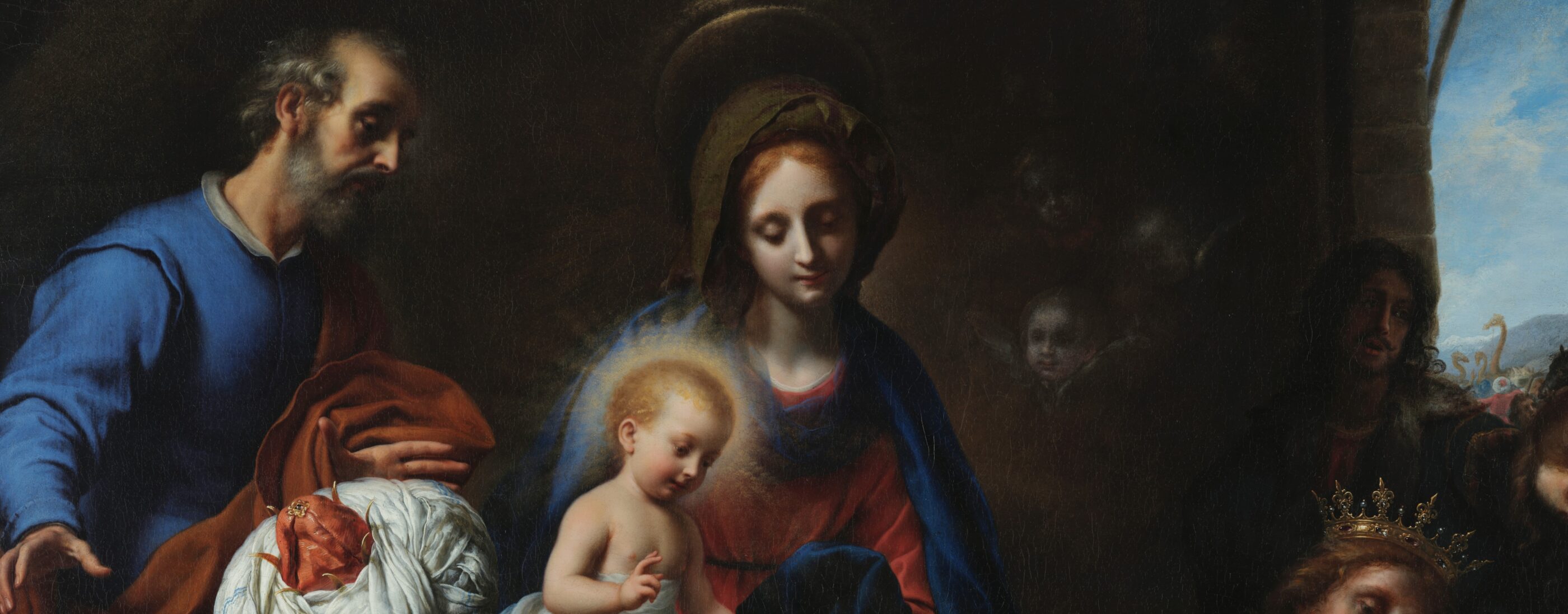
The relationship between Josephology and Mariology constitutes one of the most fruitful and least explored chapters of systematic theology. Mary and Joseph are not merely historical figures of the Holy Family: in the vision of faith, they are the two human pillars of the mystery of the Incarnation. To study them together is not sentimental devotion, but a requirement of theological logic itself.
What is Josephology?Josephology is the branch of systematic theology that studies the person, the mission, and the dignity of Saint Joseph in the divine plan of salvation. Just as Mariology is concerned with Mary in the light of Revelation and of the Magisterium, Josephology seeks to understand the unique and irreplaceable role of Joseph: virginal spouse of Mary, legal father of Jesus Christ, guardian and custodian of the Son of God.
Josephology has patristic roots, but it developed above all from the nineteenth century onward, after the proclamation of Saint Joseph as Patron of the Universal Church by Pius IX (1870). The most recent magisterial impetus came with the Apostolic Exhortation Patris Corde of Francis (2020), which places Joseph at the heart of the redemptive plan.
Theological relations between Mary and JosephMary and Joseph are united by a virginal marriage that is, at one and the same time, sacrament and mystery. Theology identifies several levels of relationship between the two:
- Virginal marriage: the marriage of Mary and Joseph is real and sacramentally valid, yet lived in perfect continence, conforming itself to the mystery of the virginal conception of the Word.
- Parallel mission: Mary receives the announcement of the angel (Lk 1:26-38). Joseph receives the revelation in a dream (Mt 1:20-21). Both are called, both respond with obedient faith.
- Complementary custody: Mary is the Mother who bears and nourishes. Joseph is the father who protects, names, and integrates Jesus into the Davidic lineage, conferring on Him a juridical and social identity.
- Contemplative silence: neither Mary nor Joseph imposes a word of their own upon the mystery. Both receive it and keep it in fruitful silence.
The theological tradition is unanimous: Mary holds the first place in the order of grace and of dignity, immediately after Christ. John Duns Scotus, Saint Bernard, and the post-conciliar Magisterium converge in this affirmation. The Immaculate Conception, the Divine Motherhood, the Assumption in body and soul: these singular privileges belong exclusively to Mary.
Joseph, however, holds the second place among all the saints, above the Apostles and the martyrs. His greatness derives from his mission: he was constituted legal father of the Son of God. Josephology does not compete with Mariology, but is articulated with it within a theology of the Holy Family.
Josephology in the recent MagisteriumThe twentieth century witnessed a remarkable growth of Josephological interest. Leo XIII, in the encyclical Quamquam Pluries (1889), presented Joseph as a model for the Christian family. Paul VI highlighted his role as worker and father in his conciliar address. Francis, with Patris Corde (2020), opened a Year of Saint Joseph and proposed Joseph as the model of a father “in the shadows”, discreet, faithful, creative in love.
Mariology studies Mary, Mother of God, in her biblical, dogmatic, and spiritual foundations. Josephology studies Saint Joseph, virginal spouse of Mary and legal father of Jesus, seeking to understand his mission in the plan of salvation. The two disciplines complement each other within the theology of the Holy Family.
Yes. Pius IX proclaimed Saint Joseph Patron of the Universal Church in 1870, by the decree Quemadmodum Deus. Devotion to Joseph grew greatly in the nineteenth and twentieth centuries, culminating in the Apostolic Exhortation Patris Corde of Francis (2020), which proposes Joseph as a model of father, worker, and man of faith.
Locus Mariologicus offers a Postgraduate Program in Mariology that includes Mariological and Josephological dimensions integrated into the theology of the Holy Family. For further information, see our Postgraduate Program in Mariology page or the Frequently Asked Questions.
Deepen your studies: explore Mariology, Marian Theology, Marian apparitions, the Postgraduate Program in Mariology, and the Frequently Asked Questions.
Postgraduate Program in Mariology
Would you like to deepen your formation in Mariology? Discover the Postgraduate Program in Mariology of Locus Mariologicus – an academic formation that unites theological rigor, spiritual life, and the living tradition of the Church.
Would you like to go deeper into Josephology?
Locus Mariologicus is preparing the Josephology class – the scientific study of Saint Joseph in Scripture, in Tradition, and in the Magisterium. Join the waiting list and be notified when registration opens.




Responses