The word that does not return empty: Is 55, Rom 8, and the parable of the sower
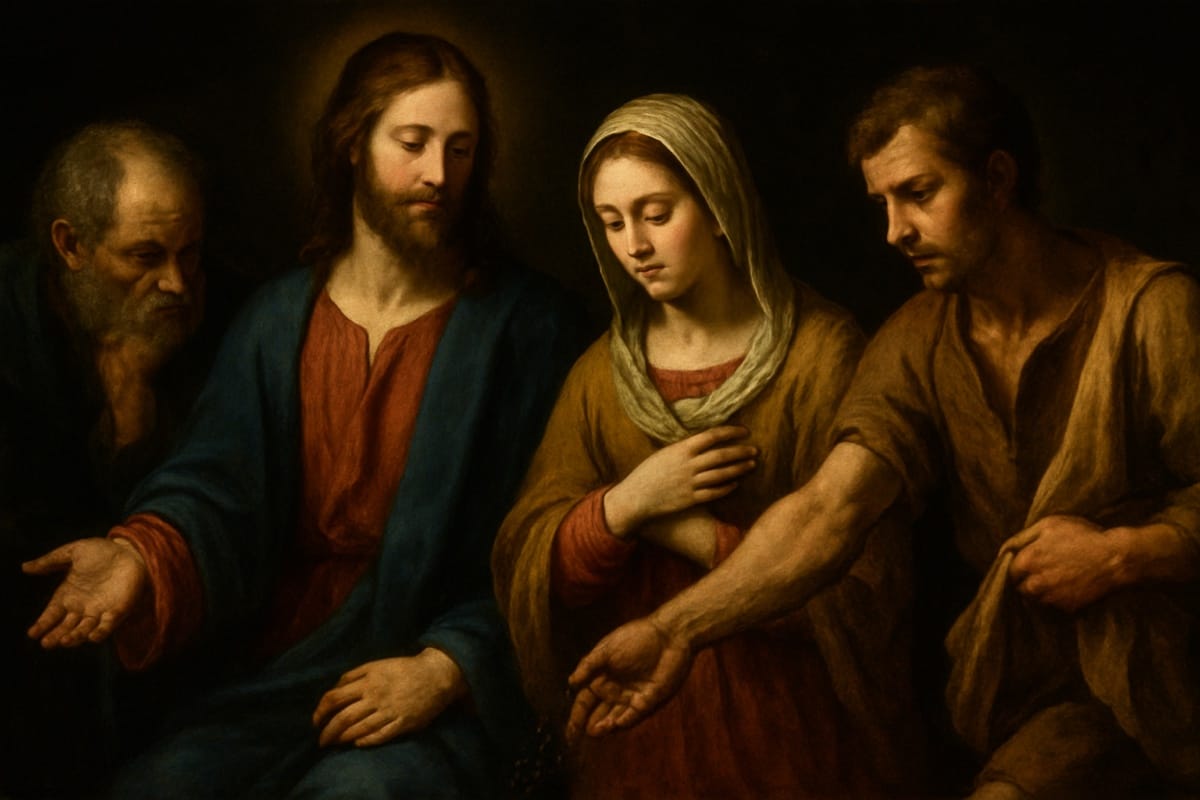
Non revertetur ad me verbum meum vacuum.
Is 55:11
The Fifteenth Sunday in Ordinary Time, Year A, presents three texts that bring together the fruitfulness of the word of God and the hope of the final redemption. Is 55:10-11 compares the divine word to the rain and the snow: they do not return to heaven without watering the earth and without accomplishing what God wills. Rom 8:18-23 describes the whole creation groaning as in the pains of childbirth, awaiting liberation from corruption and the redemption of the children of God. Mt 13:1-23 tells the parable of the sower: the same seed falls on different soils and produces different results, from nothing to a hundredfold. The three texts describe the same dynamism: the word that God sows is not ineffective, but its efficacy depends on the soil that receives it, on the readiness of the human heart to let itself be transformed.
I. The First Reading: Is 55:10-11
The oracle of Isaiah uses a comparison drawn from nature: “As the rain and the snow come down from heaven and do not return there without first having watered the earth, without having made it fruitful and caused it to sprout, to give seed to the sower and bread to eat, so is My word that goes forth from My mouth: it will not return to Me without result, but it will accomplish what I will and carry out the mission I entrusted to it” (Is 55:10-11). The word of God has an intrinsic efficacy: it is not a suggestion that can be ignored indefinitely, but a force that acts in the world. The rain does not debate with the earth: it drenches it. The word of God does not argue: it acts. And just as the rain that falls on different soils produces different results, the efficacy of the word is not uniform, yet it is never zero: something is always transformed where the word of God arrives.
II. The Second Reading: Rom 8:18-23
Paul sets present suffering within an eschatological perspective: “I consider that the sufferings of the present time are not comparable to the future glory that is to be revealed in us” (Rom 8:18). And he broadens the perspective to the cosmos: “Creation impatiently awaits the revelation of the children of God” (v.19). Creation is not indifferent to human redemption: it is bound to the destiny of humanity, subjected to vanity and waiting to be set free from the slavery of corruption in order to share in the glorious freedom of the children of God (v.21). “We know that the whole creation groans and suffers the pains of childbirth until the present moment” (v.22). The groaning is not despair: it is the sign that something new is being born. The pains of childbirth do not announce death: they announce life. And the faithful themselves groan: “we too, who possess the firstfruits of the Spirit, groan within ourselves, awaiting our adoption as sons, the redemption of our body” (v.23). The Spirit received in baptism is only the beginning, the guarantee of the fullness that is still to come.
III. Evangelium: Mt 13:1-23
Jesus tells the parable of the sower: the same seed, cast by the same sower, falls on four kinds of soil. The path: the birds eat the seed before it germinates. The rocky ground: the seed sprouts quickly but withers for lack of root. The ground with thorns: the seed grows but is choked. The good soil: the seed bears fruit, a hundred, sixty, or thirtyfold. The explanation that Jesus gives to the disciples identifies the seed with “the word of the Kingdom” (v.19) and the soils with the kinds of heart. The path is the one who hears the word but does not understand it, and the Evil One steals it away. The rocky ground is the one who receives it with joy but has no root, and tribulation makes him fall. The thorny ground is the one who lets the word be choked by the cares of the world and by the seduction of riches. The good soil is the one who hears, understands, and bears fruit. The parable is not fatalistic: the soils are not fixed natures, but dispositions that can be worked. Prayer, fasting, and service are the agricultural labor that prepares the heart to become good soil.
IV. Mary and the good soil
Isaiah promised a word that does not return empty. In Mary, the word of God accomplished its fullest mission: the Word who “in the beginning was with God” became flesh in her womb, without resistance, without delay, without conditions. Mary is the good soil par excellence: the one who heard, understood, and bore fruit a hundredfold. The angel announced, Mary asked with discernment, and said yes. The dynamic of Mt 13 is fulfilled in her in a perfect way: she is not the path where the seed is snatched away, she is not the rocky ground where the seed withers in tribulation, she is not the thorns where cares choke. She is the prepared soil, plowed by grace, which receives the word and gives the greatest fruit. The groaning of Rom 8 resounds in Mary: she groaned with creation beneath the Cross, where the seed of the Son died in order to bear much fruit. But she groaned with hope, not with despair, because she knew that the pains of childbirth announce life. The creation that awaits the liberation of the children of God has in Mary its anticipated figure: she who was set free from corruption by the Assumption is the sign and the guarantee of the cosmic redemption that all creation still awaits.
Postgraduate Program in Mariology
Would you like to deepen your formation in Mariology? Discover the Postgraduate Program in Mariology of Locus Mariologicus – an academic formation that unites theological rigor, spiritual life, and the living tradition of the Church.





Responses