Stabat Mater: the hymn of Mary’s compassion
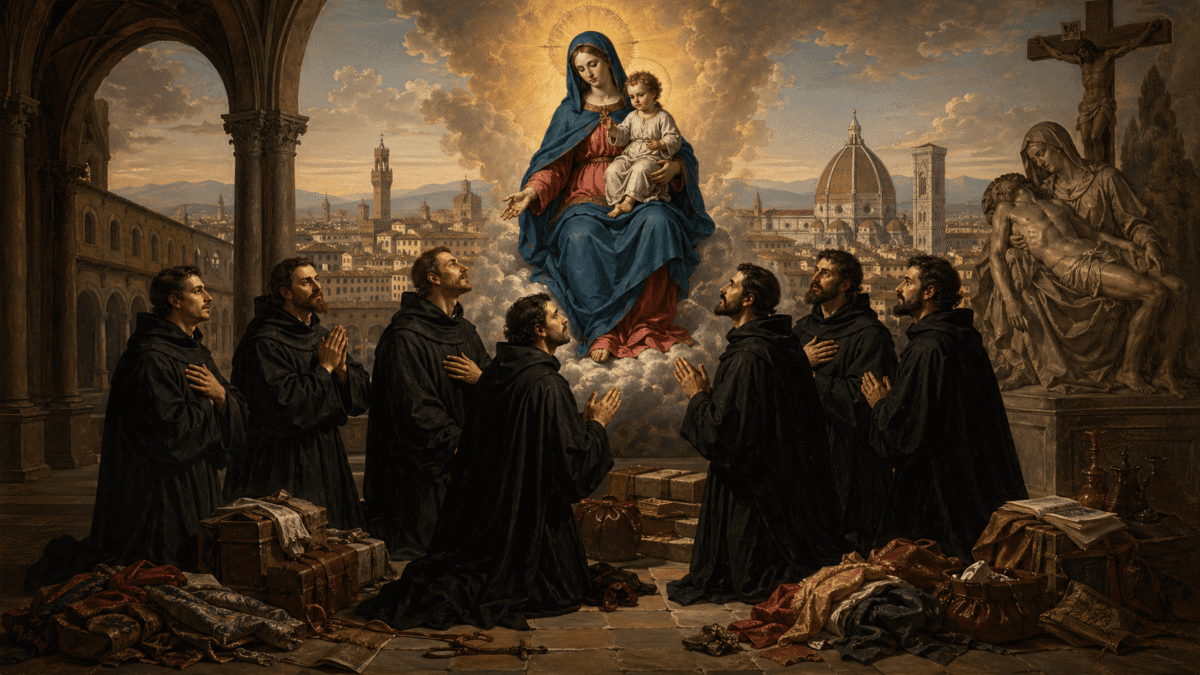
Stabat Mater: the hymn of Mary’s compassion
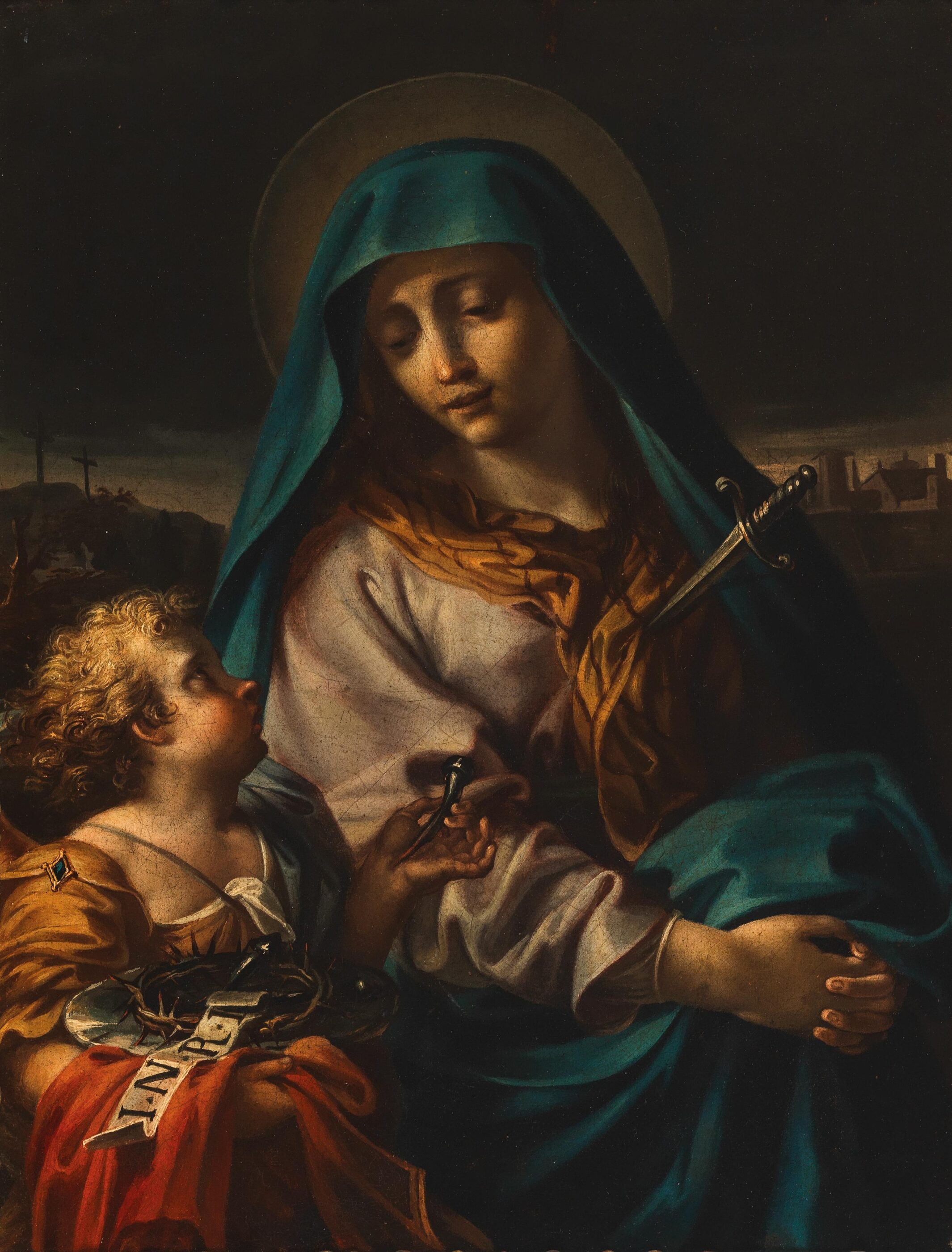
The Stabat Mater (“The Mother was standing”) is one of the most profound and musically rich Marian hymns of the Christian tradition. A poetic meditation on the compassion of Mary beside the Cross, it was set to music by the greatest composers in history.
The text and its authorship
The poem, in Latin, is composed of 20 stanzas of three verses. It is attributed to Jacopone da Todi (a Franciscan, thirteenth century), although the authorship is debated. The text describes Mary “standing,” in suffering, beside the Cross of her Son, and invites the faithful to share in that compassionate sorrow: “Make my heart burn with the love of Christ God, that I may be pleasing to Him.”
Great musical compositions
The Stabat Mater has been set to music by Vivaldi, Pergolesi, Haydn, Schubert, Dvořák, Verdi and Poulenc, among others. Pergolesi’s version (1736), composed shortly before his death, is one of the most moving works in the history of sacred music. The versatility of the text, which lends itself both to Renaissance polyphony and to Romanticism, explains its extraordinary musical richness.
Liturgy
The Stabat Mater is part of the Office of the feast of Our Lady of Sorrows (September 15) and accompanies the Way of the Cross in many traditions. Its place in the Divine Office was confirmed by Benedict XIII in 1727.
Deepen your studies: explore Mariology, Marian Theology, Marian apparitions and the Postgraduate Program in Mariology.
Magisterium of the Church
Stabat mater dolorosa / iuxta crucem lacrimosa / dum pendebat Filius.
Iacobus de Benedictis (attr.), Stabat Mater Dolorosa (saec. XIII), hymnus liturgicus approbatus
Literal translation: The sorrowful Mother was standing / weeping beside the cross / while the Son hung there.
Postgraduate Program in Mariology
Would you like to deepen your formation in Mariology? Discover the Postgraduate Program in Mariology of Locus Mariologicus – an academic formation that unites theological rigor, spiritual life, and the living tradition of the Church.
Would you like to study Mariology seriously?
This article is born from the works in the library of Locus Mariologicus. The Postgraduate Program in Mariology takes you to the same source, with academic guidance: Scripture, the Fathers of the Church, and the Magisterium, from the first dogma to contemporary questions.




Responses