The Word Became Flesh: Is 52, Heb 1 and the Prologue of John at the Nativity of the Lord
Et Verbum caro factum est et habitavit in nobis.
Jn 1:14
The Nativity of the Lord, at the Mass during the Day, brings together three texts that contemplate the mystery of the Incarnation from complementary perspectives. Is 52:7-10 sings the joy of the messenger who announces peace and salvation, with the Lord beheld by the eyes of all the ends of the earth. Heb 1:1-6 proclaims that God, having spoken of old through the prophets in many ways, has now spoken to us through the Son: the splendor of His glory and the expression of His substance. Jn 1:1-18 offers the Prologue that is at once the beginning and the key of the whole Gospel of John: in the beginning was the Word, the Word was with God, the Word was God, and the Word became flesh. The three texts describe the same event from three angles: the prophetic proclamation, the doctrinal confession, and the theological contemplation.
I. The First Reading: Is 52:7-10
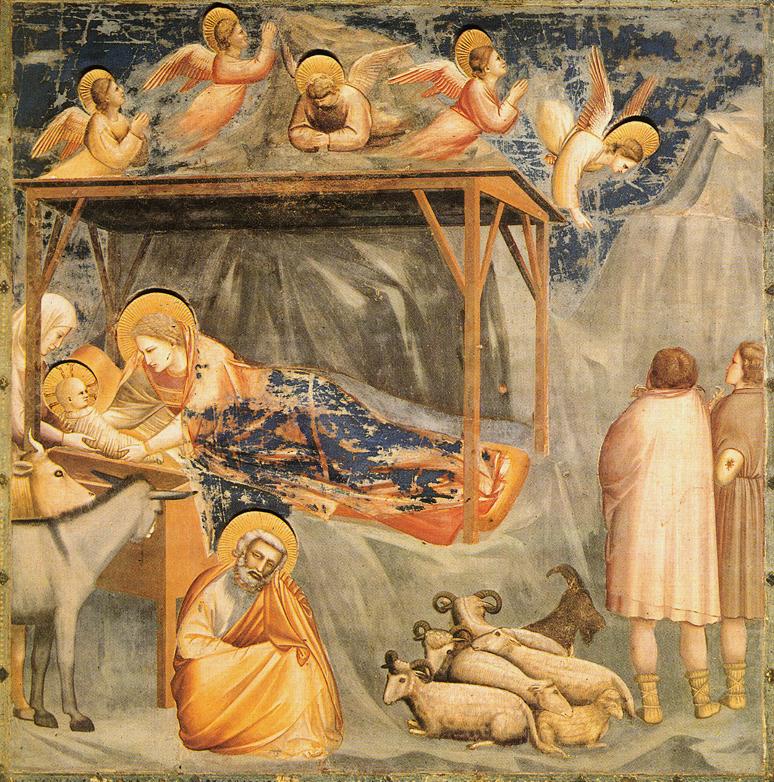
Isaiah sings the announcement of the good news with an image of physical beauty: “How beautiful upon the mountains are the feet of the messenger who announces peace, who brings the good news, who proclaims salvation, who says to Zion: Your God reigns”! (Is 52:7). The watchmen lift up their voices together and sing for joy, because they see with their own eyes the Lord returning to Zion (v. 8). The ruins of Jerusalem shall break forth into song, for the Lord has comforted His people, He has redeemed Jerusalem (v. 9). “The Lord has bared His holy arm before all the nations, and all the ends of the earth shall see the salvation of our God” (v. 10). Isaiah’s vision is universal: salvation is not for Israel alone. The “arm of the Lord” that is made manifest is the power of God at work in history. At Christmas, that arm becomes the arms of a child whom Mary presents to the world.
II. The Second Reading: Heb 1:1-6
The Letter to the Hebrews opens with a statement that sums up the whole history of revelation: “God, who of old spoke to our fathers many times and in many ways through the prophets, has spoken to us in this final age through the Son” (Heb 1:1-2a). The Son is presented in a series of ascending affirmations: heir of all things, through whom He created the worlds (v. 2b), the splendor of His glory and the expression of His substance, upholding the universe by the word of His power (v. 3). And then the redemptive work: after having made purification for sins, He sat down at the right hand of the Majesty in the heavens (v. 3b). He is more excellent than the angels (v. 4), and God never said to any angel “You are my Son, today I have begotten you” (v. 5). The Letter to the Hebrews opens Christmas with the greatest of questions: who is this child? The answer is the hymn of His preexistence and greatness, which precedes the birth and which the birth makes visible.
III. Evangelium: Jn 1:1-18
The Prologue of John does not begin with a birth but with the beginning: “In the beginning was the Word, and the Word was with God, and the Word was God. He was in the beginning with God” (Jn 1:1-2). Creation is the work of the Word: all things were made through Him, and without Him nothing was made (v. 3). The Word is life, and the life is the light of men (v. 4). The light shines in the darkness, and the darkness has not overcome it (v. 5). John the Baptist came as a witness to this light (vv. 6-8). The Word came to what was His own, and His own did not receive Him (v. 11). But to those who did receive Him He gave the power to become children of God, to those who believe in His name (v. 12). And then the central verse of Christmas: “The Word became flesh and dwelt among us, and we have beheld His glory, the glory that He has as the Only-Begotten Son of the Father, full of grace and truth” (v. 14). Grace and truth came through Jesus Christ (v. 17). The Prologue moves from the eternal to the temporal, from the invisible to the visible, from the divine to the flesh. Christmas is the moment in which the eternal becomes temporal and the invisible makes itself seen.
IV. Mary and the Word That Became Flesh
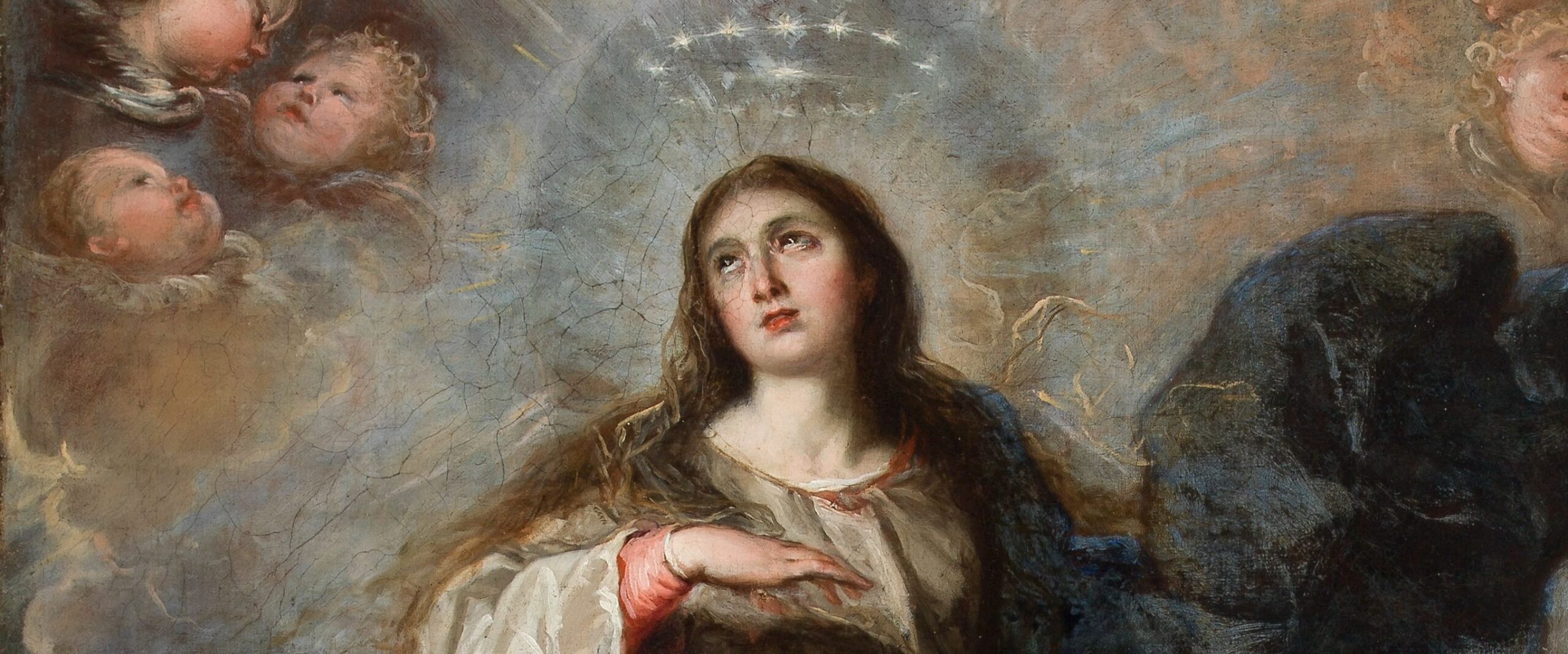
“The Word became flesh”: this phrase of Jn 1:14 presupposes a flesh from which the Word took His humanity. That flesh is the flesh of Mary. Christian tradition expressed this mystery in the title that the Council of Ephesus (431) defined as a dogma of faith: Mary is “Theotókos”, Mother of God. The title does not exalt Mary for her own sake: it exalts the Incarnation. To say that Mary is Mother of God is to say that the son she bore is God: the same affirmation that the Prologue of John and the Letter to the Hebrews proclaim. Heb 1 describes the Son as the “splendor of the glory” of the Father: that splendor first shone in the womb of Mary, who was the first space in which the Son of God dwelt humanly. Is 52 sings the beauty of the feet of the messenger who announces peace: Mary, who carried the incarnate Word to the house of Elizabeth at the Visitation, was literally the bearer of the good news in the flesh. The feet that Isaiah sings of are the feet of Mary with child upon the mountains of Judea. Christmas is not only the birth of Jesus: it is the birth of Mary as Mother of God, the fulfillment of her singular vocation and the inauguration of a role that will never end.
Postgraduate Program in Mariology
Would you like to deepen your formation in Mariology? Discover the Postgraduate Program in Mariology of Locus Mariologicus — an academic formation that unites theological rigor, spiritual life, and the living tradition of the Church.



Responses