We saw His star in the East: Is 60, Eph 3, and the Magi before Mary and the Child.
Vidimus stellam eius in oriente et venimus adorare eum.
Mt 2:2
The Solemnity of the Epiphany of the Lord articulates three texts around the revelation of Christ to the nations. Is 60:1-6 invites Zion to arise and shine because her light has come, and describes the nations that stream to her bringing gold and frankincense. Eph 3:2-3a, 5-6 proclaims that the mystery of Christ, hidden in past generations, has now been revealed: the Gentiles are coheirs and sharers in the same promise in Christ Jesus. Mt 2:1-12 recounts the coming of the Magi from the East: they followed a star, questioned Herod, found the child with Mary His mother, prostrated themselves, and offered gold, frankincense, and myrrh. The three texts describe the same dynamic: the light that draws, the mystery that is revealed, the adoration that acknowledges.
I. The First Reading: Is 60:1-6
Isaiah invites Zion to awake: “Arise, shine, for your light has come and the glory of the Lord has risen upon you” (Is 60:1). While darkness covers the earth and thick darkness the peoples, upon Zion the Lord dawns and His glory appears (v.2). “The nations shall walk toward your light, and kings toward the brightness of your dawning” (v.3). The sons shall come from afar, and the eyes of Zion shall see them streaming in (v.4). The caravan of camels shall cover the land, and those of Midian and Ephah shall come, those of Sheba shall arrive, bringing gold and frankincense, proclaiming the praises of the Lord (vv.5-6). The gold and the frankincense of Isaiah are the gifts that Matthew’s Magi bring to the child. The prophecy becomes narrative: what Isaiah describes as future, Matthew recounts as present. The Epiphany is the beginning of the fulfillment of this vision: the nations begin to stream to the light of the Lord.
II. The Second Reading: Eph 3:2-3a, 5-6
Paul announces the secret of his ministry: the grace given to him to proclaim to the Gentiles the unsearchable riches of Christ (Eph 3:2-3a). This mystery was not made known to the sons of men in past generations as it has now been revealed by the Spirit to the holy apostles and prophets (v.5). And the content of the mystery: “The Gentiles are coheirs, members of the same body, and sharers in the same promise in Christ Jesus, through the Gospel” (v.6). The revelation of the Epiphany has this Pauline dimension: it is not merely a matter of foreign wise men visiting a Jewish child. It is a matter of the definitive breaking of the boundary between Israel and the nations: the Son of God is not only the Messiah of Israel, He is the Lord of the whole universe. The Magi are the sign of this universality: the first Gentiles to adore Christ.
III. Evangelium: Mt 2:1-12
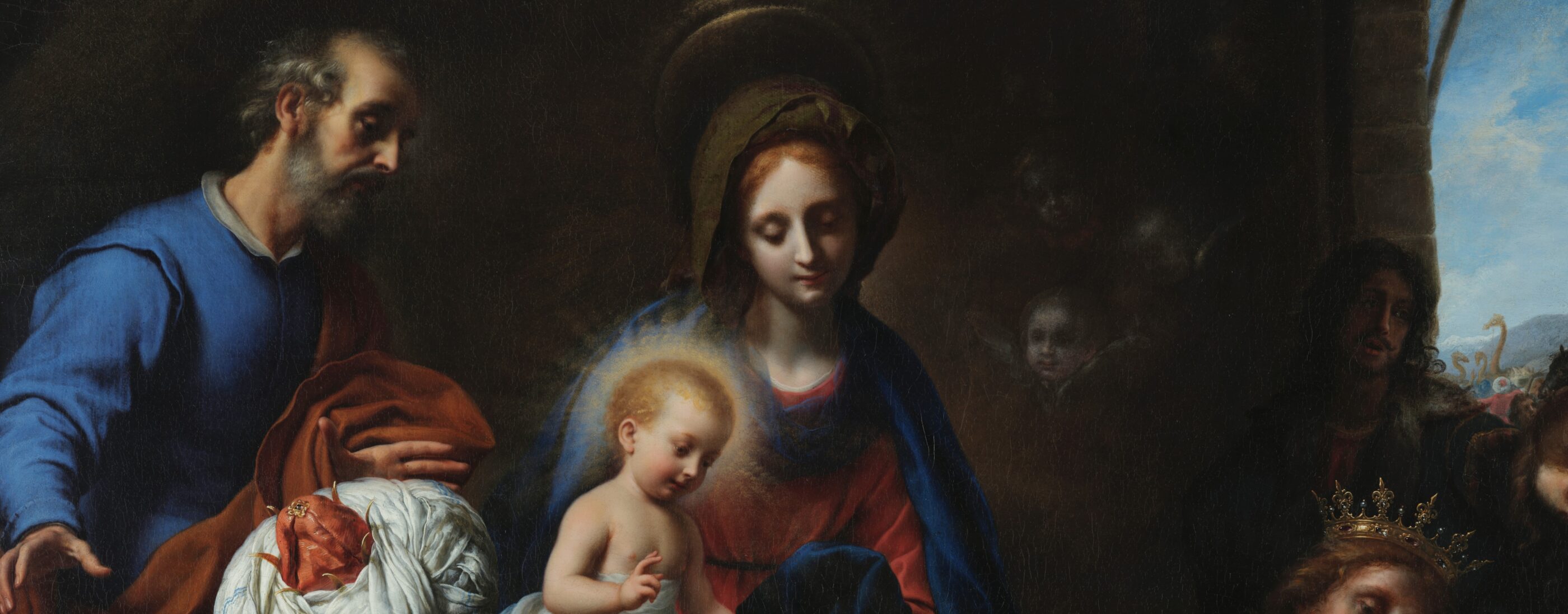
Jesus having been born in Bethlehem of Judea in the days of King Herod, Magi came from the East to Jerusalem (Mt 2:1). They ask: “Where is the newborn king of the Jews? We saw His star in the East and have come to adore Him” (v.2). Herod is troubled and summons the chief priests and the scribes: where was the Christ to be born? In Bethlehem of Judea (v.5), fulfilling Mic 5:1. Herod calls the Magi in secret, sends them to Bethlehem, and asks them to tell him where the child is so that he too may go and adore Him (vv.7-8). The Magi follow the star, which halts over the place where the child was (v.9). “Entering the house, they saw the child with Mary, His mother, and falling down they adored Him. Then, opening their treasures, they offered Him gifts: gold, frankincense, and myrrh” (v.11). Warned in a dream not to return to Herod, they went back to their own country by another way (v.12). The scene has a liturgical structure: the star as convocation, the prostration as adoration, the gifts as oblation. The Magi do what the liturgy has always done: they acknowledge, they adore, and they offer.
IV. Mary and the Epiphany of the Nations
Matthew describes the encounter with a precision that the tradition has not ignored: the Magi saw “the child with Mary, His mother” (Mt 2:11). Mary is present at the moment when the first Gentile nations adore Christ. She is not the object of the adoration, she is the one who presents the object of the adoration. She is the Mediatrix of the Epiphany in the most literal sense: she stands in the middle, between the adorers and the One adored. Is 60 describes the nations that stream to Zion bringing gold and frankincense: Mary is the living Zion, the place where the light of the Lord dwells and toward which the nations turn. Tradition invokes her as “Mother of all peoples”: not only the Mother of Israel, but of all who acknowledge the Son. Eph 3 reveals that the Gentiles are coheirs: the Magi are the first coheirs, and it is before Mary that they receive this inheritance. The Epiphany inaugurates the universal dimension of Mary’s motherhood: she who at Nazareth said yes to God becomes, at the moment when the Magi prostrate themselves, the Mother of all humanity that seeks the light.
Postgraduate Program in Mariology
Would you like to deepen your formation in Mariology? Discover the Postgraduate Program in Mariology of Locus Mariologicus – an academic formation that unites theological rigor, spiritual life, and the living tradition of the Church.
Would you like to study Mariology seriously?
This article grows out of the works in the Locus Mariologicus library. The Postgraduate Program in Mariology takes you to the same source, with academic guidance: Scripture, the Fathers of the Church, and the Magisterium, from the first dogma to contemporary questions.


Responses