Where is the Child Jesus?

Mary seeks the Child Jesus: the anguish and the faith of the mother
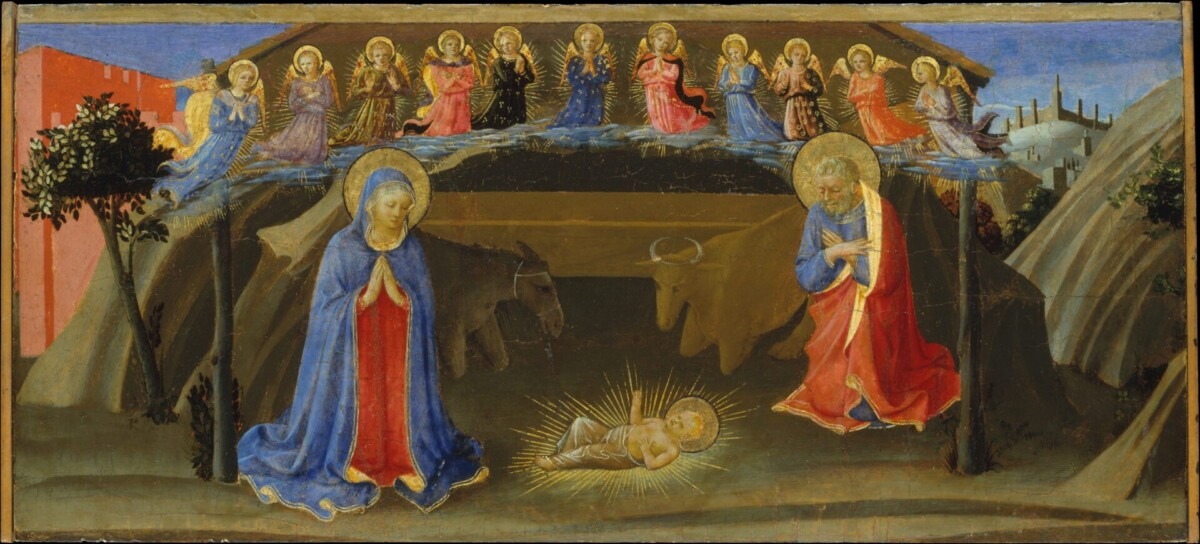
Of the three Magi who visit the Child and His Mother it is said that they bowed down and adored. The same should be said of the shepherds, for every representation of the nativity scene shows the shepherds in a gesture of veneration, because through the angel they know that this child is the Savior, the Messiah, the Lord. And how many ancient images show us Mary in silent adoration before the Child!
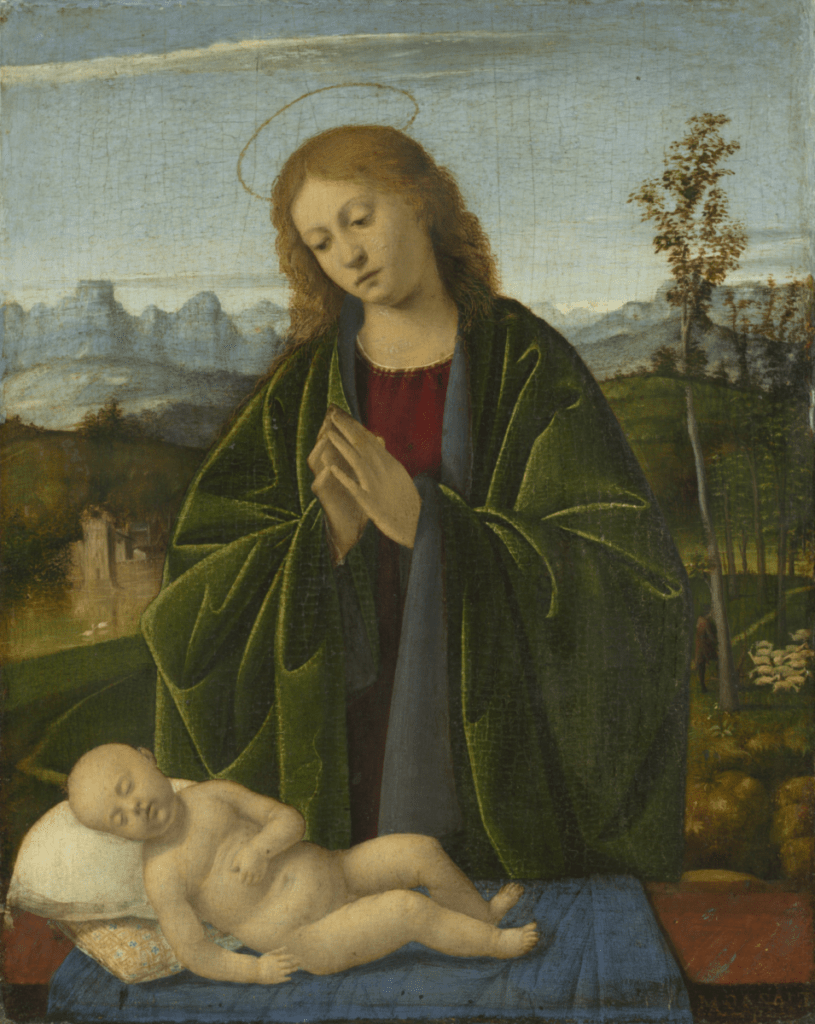
The days of Christmas are a time in which the adoration of God, already known to the Old Testament, for example in the Psalms, receives entirely new reasons to shine and, thanks to this, also a completely new form. We can and must adore God in this child whom He sent us. This is so astonishing that it forces us to think in a new way also about this act of adoration, which in our secularized age has become a reality largely foreign to us. If a personal relationship with God still exists in us, most of the time we present our petitions to Him, and this is right. But we rarely give thanks. Of every ten lepers healed by Jesus, only one returns to thank Him. Or when suffering strikes us, we make an act of devotion and surrender to the incomprehensible eternal will of God, and this too is right. But resignation, submission to the will of God, is not yet adoration.
What is adoration?
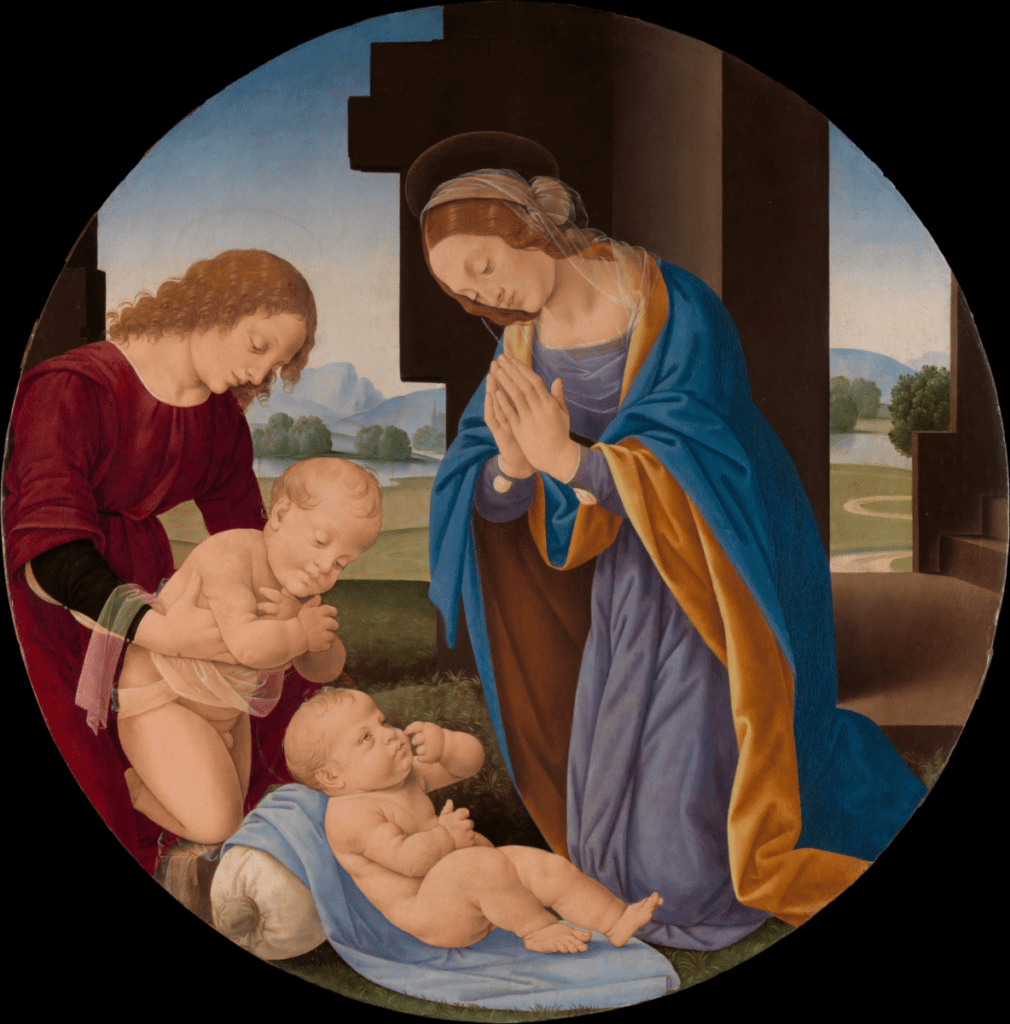
God is unique and infinitely mysterious. In the same way, the act by which we acknowledge Him with our whole being as God is also unique and therefore not so easy to describe. Let us try, nevertheless: to acknowledge that God is of Himself, while everything created exists only by His will and omnipotent act and therefore does not have its roots in itself, but in Him, the only unconditioned and absolute one. To acknowledge, therefore, that God is the true par excellence, the quintessence of all truth and, consequently, that He is always right in everything He wishes to do or allows to happen. That it is madness to dispute against God, as if it were possible to allege an error, and that the homme révolté ends up destroying his own essence. To acknowledge that God is the good par excellence, the quintessence of all goodness and, therefore, that He is not only the truth, but that because of His being and His dispositions He is worthy of being loved also unconditionally, loved with the reverence of our whole heart. To acknowledge that God is absolutely beautiful, the quintessence of all beauty, and therefore that we must agree with Him with great enthusiasm and serve Him with joy, as the Psalms acclaim God, exulting in Him, and as Saint Paul demands of Christians: “Sing hymns of praise to God, full of gratitude in your hearts.” According to the Scriptures, God as absolute truth is “our rock,” which can never waver; for goodness is our “shepherd,” the “wings under which we find ourselves protected”; for beauty is the Lord of “glory,” our full happiness, charm, ecstasy. All this the Old Testament already knew, in which the heart of the devout man gives itself over to God in self-giving love, in thanksgiving, in full confidence, in fathomless reverence, happily free of all anguish.
On the various ways of adoring God, there is an ancient hymn of adoration, in Latin, to the Most Blessed Sacrament that used to be in every prayer book and whose first stanza reads as follows:
Adoro te devote, latens Deitas
quae sub his figuris vere latitas
tibi se cor meum totum subjicit
quia te contemplans totum deficit.
Which we could translate as:
I devoutly adore You, O hidden Godhead,
Who truly lie concealed beneath these appearances:
To You my heart submits itself wholly and entirely,
Because, contemplating You, all grows faint.
Now we can understand what “these forms” would be: not only the forms of bread and wine in which the Divine hides, but also all the forms of the world, that of man above all, but also all the others that He created for man and that belong to his earthly home. We can say that God walks in our midst in various forms. Many believe that coming to adore God in creatures and in man would require a long time of meditative preparation and technical exercises. I do not believe so. It is enough that we simply bring contemplatively to the memory of our Faith, which at Christmas received its visible garment: “God so loved the world ‘and each one of us’ that He gave His only Son for it” and for each one of us. This Son given over is placed before our eyes. Here, at Christmas, on the Cross, on Easter Sunday, here on all the ordinary days of the liturgical year. He is in our midst!
Let us adore! The Lord is coming and is already within us and within our brethren!
Merry Christmas to all our dear scholars of Mariology! Let us live this Christmas with the Lord who dwells in us, with us, and near us!
Text taken from the Christmas writings of H. U. von Balthasar
Mary and Joseph sought Jesus for three days before finding Him in the Temple. To deepen the mystery of Mary in the life of Jesus, read the encyclical Redemptoris Mater by Saint John Paul II.
Deepen your studies: explore Mariology, Marian Theology, Marian apparitions, and the Postgraduate Program in Mariology.
Postgraduate Program in Mariology
Would you like to deepen your formation in Mariology? Discover the Postgraduate Program in Mariology of Locus Mariologicus, an academic formation that unites theological rigor, spiritual life, and the living tradition of the Church.


Responses