The vineyard and the cornerstone: Is 5:1-3 and the parable of the winemakers in Mt 21
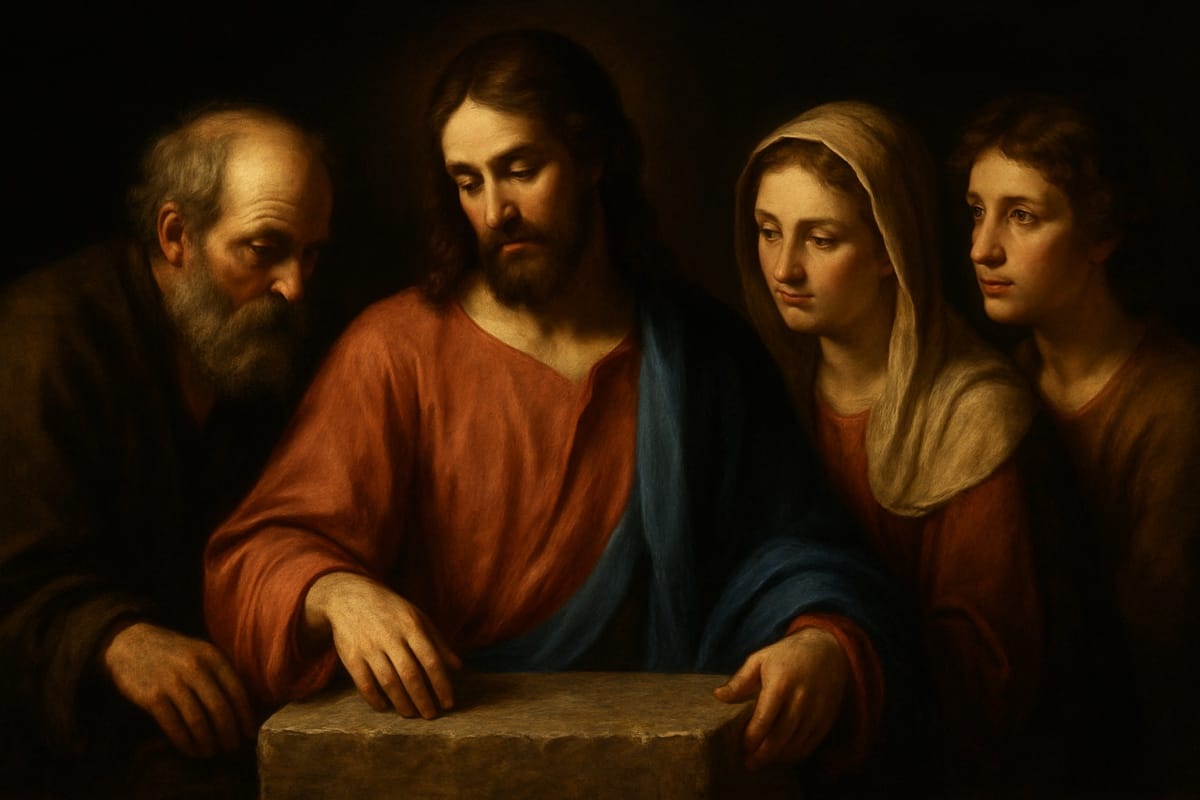
“Stone which the builders rejected, now becomes the head of the corner.”
Mt 21:42
The twenty-seventh Sunday of Ordinary Time, Year A, weaves together three texts centered on God’s vineyard and the stone rejected by builders, becoming the cornerstone. Isaiah 5:1-7 sings of the vineyard lovingly tended by the beloved, yet yielding wild grapes: it is Israel that has disappointed God’s hopes. Philippians 4:6-9 invites into the peace that surpasses all understanding and the cultivation of what is true, noble, right, and pure. Matthew 21:33-43 recounts the parable of the winemakers who kill the servants and the son of the owner: the vineyard will be given to others, and the stone rejected by builders becomes the cornerstone. The three texts converge: God has invested generously in his vineyard, but those who tend it have responsibility for its fruit, and the rejected stone is always the center that builders fail to recognize.
I. The first reading: Isaiah 5:1-7
The prophet sings in his friend’s name: “I will sing to my beloved the song of his love for the vineyard. My beloved had a vineyard on a fertile hill” (Is 5:1). The friend prepared everything: he plowed the earth, cleared it of stones, planted the best vines, built a watchtower in the middle, and dug a winepress. “And he expected it to produce good grapes, but it produced wild grapes” (v. 2). The following question is an interpellation to the people: what more could he have done for the vineyard? And the conclusion: “The vineyard of the Lord of hosts is the house of Israel, and the men of Judah his chosen plant. He looked for justice, but behold, there was blood; he looked for righteousness, but behold, there was a cry” (v. 7). The Hebrew words are perfectly matched: mishpat/mispach (right/outpouring of blood), tsedaqah/tsaeqah (righteousness/cry). The vineyard did not produce as it should. But the beloved does not abandon the vineyard: he removes his protection and lets it experience the consequences.
II. The second reading: Philippians 4:6-9
In contrast to the anxiety the context might suggest, Paul invites: “Do not be anxious about anything, but in everything, by prayer and petition, with thanksgiving, present your requests to God” (Phil 4:6). And the promise: “And the peace of God, which surpasses all understanding, will guard your hearts and your minds in Christ Jesus” (v. 7). The peace that surpasses understanding is not the absence of problems; it is the peace that stands amidst problems, something the mind cannot produce but that God offers. And the call to discernment: “Think about these things” (v. 8). The vineyard that bears these fruits is the vineyard that does not disappoint.
III. The Gospel: Mt 21:33-43
Jesus reprises the image of the vineyard from Isaiah and adds to it the vine-growers: “There was a man who had a piece of land. He planted a vineyard, surrounded it with a fence, dug a winepress in it, built a tower, and leased it to vine-growers. Then he went away” (Mt 21:33). At harvest time, the owner sends his servants to collect the fruit. The vine-growers beat some, kill others, stone others. He sends more servants: the same result. Finally, he sends his son, thinking they will respect him. The vine-growers recognize him: “This is the heir. Come, let’s kill him and take possession of his inheritance” (v.38). They kill him. Jesus asks what the owner will do to the vine-growers. The listeners reply: “He will bring a severe punishment on the wicked and lease the vineyard to other vine-growers who will give him the fruit in due season” (v.41). And the citation from the Psalm: “The stone that the builders rejected has become the chief corner-stone” (v.42). The parable concludes with a transfer: “The kingdom of God will be taken from you and given to a people who will give it the fruit it should produce” (v.43).
IV. Mary and the Faithful Vineyard
Isaiah sings of a vineyard that disappointed the beloved. Mary, in the patristic tradition, is the exception within Israel’s vineyard: the part of the vineyard that did not produce wild grapes, but gave the most precious fruit that the vineyard had ever produced, the Son of God. In her, Isaiah 5’s song found its positive response: the beloved expected righteousness and in Mary found righteousness; he expected justice and in Mary found justice. The cornerstone in Mt 21:42 is Christ. Mary is the one who stood by the cornerstone when all fled: when the builders rejected the stone, she recognized it. Philippians 4:6-9 speaks of a heart guarded by God’s peace that surpasses understanding. Mary’s heart, which “kept all these things and pondered them” (Lk 2:19), is the model of such a heart. Not the peace of the absence of pain (a sword pierced her), but the peace that stands firm when all else fails, the peace that is the fruit not of understanding but of trust in the beloved who planted the vineyard.
Postgraduate Program in Mariology
Would you like to deepen your formation in Mariology? Get to know the Postgraduate Program in Mariology from Locus Mariologicus – an academic formation that combines theological rigor, spiritual life, and the living tradition of the Church.



Responses