My Lord and my God: Acts 2, 1 Pet 1, and Mercy Sunday in Jn 20
Beati qui non viderunt et crediderunt.
Jn 20:29
The Second Sunday of Easter, Divine Mercy Sunday, brings together three texts around paschal faith and the community born of the resurrection. Acts 2:42-47 describes the first Christian community gathered around the breaking of the bread, prayer, and sharing. 1 Pet 1:3-9 blesses God for the new life received through the resurrection and celebrates the love without seeing that characterizes the faith of those who did not know Jesus in the flesh. Jn 20:19-31 recounts the two appearances of the Risen Lord to the community: the first on the evening of Easter Sunday, without Thomas, and the second eight days later, with Thomas present, which culminates in the confession “My Lord and my God.” The three texts describe paschal faith: not as sensible evidence but as an encounter that gives rise to community, sharing, and adoration.
I. The First Reading: Acts 2:42-47
The first community of Jerusalem is defined by four coordinates: “they persevered in the teaching of the apostles, in fraternal communion, in the breaking of the bread, and in the prayers” (Acts 2:42). Paschal faith has an immediately communal structure: it is not a private experience but a shared life. “All the faithful lived in unity and held everything in common: they sold their property and goods and distributed them to all, according to each one’s need” (vv. 44-45). They went to the Temple every day and broke bread from house to house with gladness and simplicity of heart, praising God. “Every day the Lord added to their community those who were being saved” (v. 47). Easter is not a feast of a single day: it is the beginning of a form of life that the Risen Lord continues to build day by day.
II. The Second Reading: 1 Pet 1:3-9
“Blessed be God, the Father of our Lord Jesus Christ, who in His great mercy has begotten us anew to a living hope, through the resurrection of Jesus Christ from the dead” (1 Pet 1:3). The resurrection is the act that begets: Christians are not merely instructed by the resurrection, they are begotten by it. The inheritance they receive is incorruptible, undefiled, and enduring, kept in heaven (v. 4). Faith is tested like gold in the furnace: present sufferings, far from contradicting hope, purify it. “Without having seen Him, you love Him. Without seeing Him now, you believe in Him and rejoice with an ineffable and glorious joy” (v. 8). Love without seeing is the fundamental form of paschal faith ever since the disciples were no longer with Jesus in the flesh. This is the beatitude that Jesus will proclaim in Jn 20:29.
III. Evangelium: Jn 20:19-31
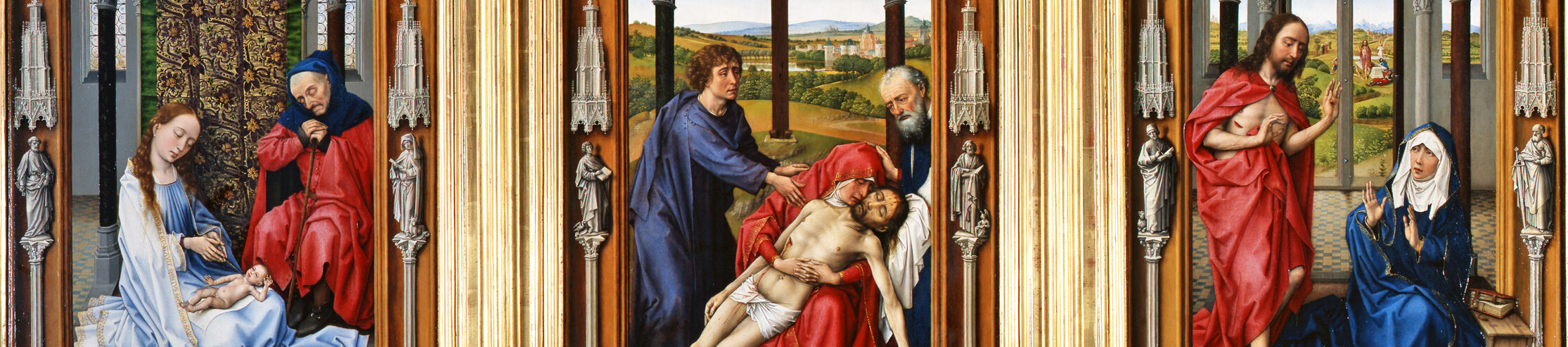
On the evening of Easter Sunday, the doors being closed for fear of the Jews, Jesus appears in the midst of the disciples: “Peace be with you” (Jn 20:19). He shows them His hands and His side. The disciples are filled with joy. Jesus says again, “Peace be with you,” sends them as the Father sent Him, breathes on them and says: “Receive the Holy Spirit. Whose sins you forgive, they are forgiven them” (vv. 22-23). Thomas, who was not present, denies that he can believe without seeing and touching. Eight days later, Jesus appears again. He turns to Thomas: “Put your finger here and see My hands. Put out your hand and place it in My side. Do not be unbelieving, but believing” (v. 27). Thomas exclaims: “My Lord and my God!” Jesus answers: “Because you have seen Me, Thomas, you have believed. Blessed are those who have not seen and have believed” (v. 29). The evangelist concludes that he has written so that the reader may believe that Jesus is the Christ, the Son of God, and so that by believing he may have life in His name (v. 31).
IV. Mary and Love Without Seeing
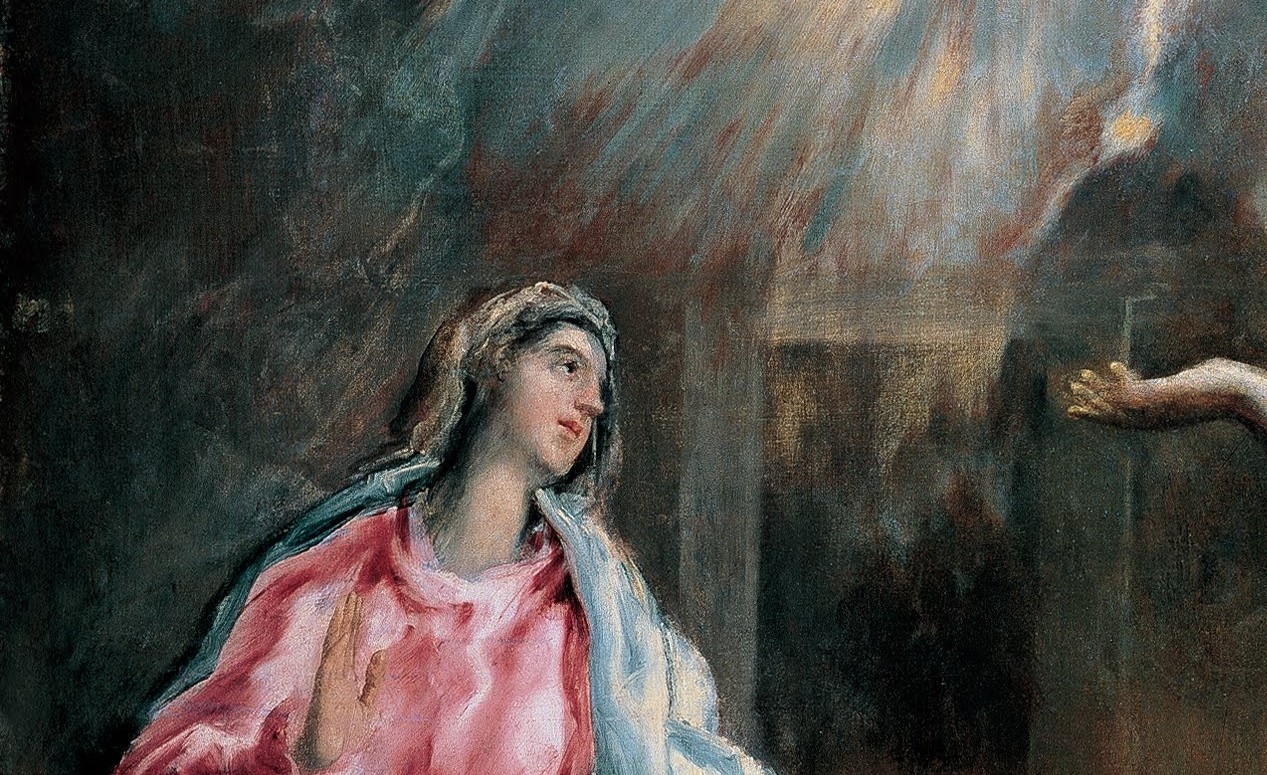
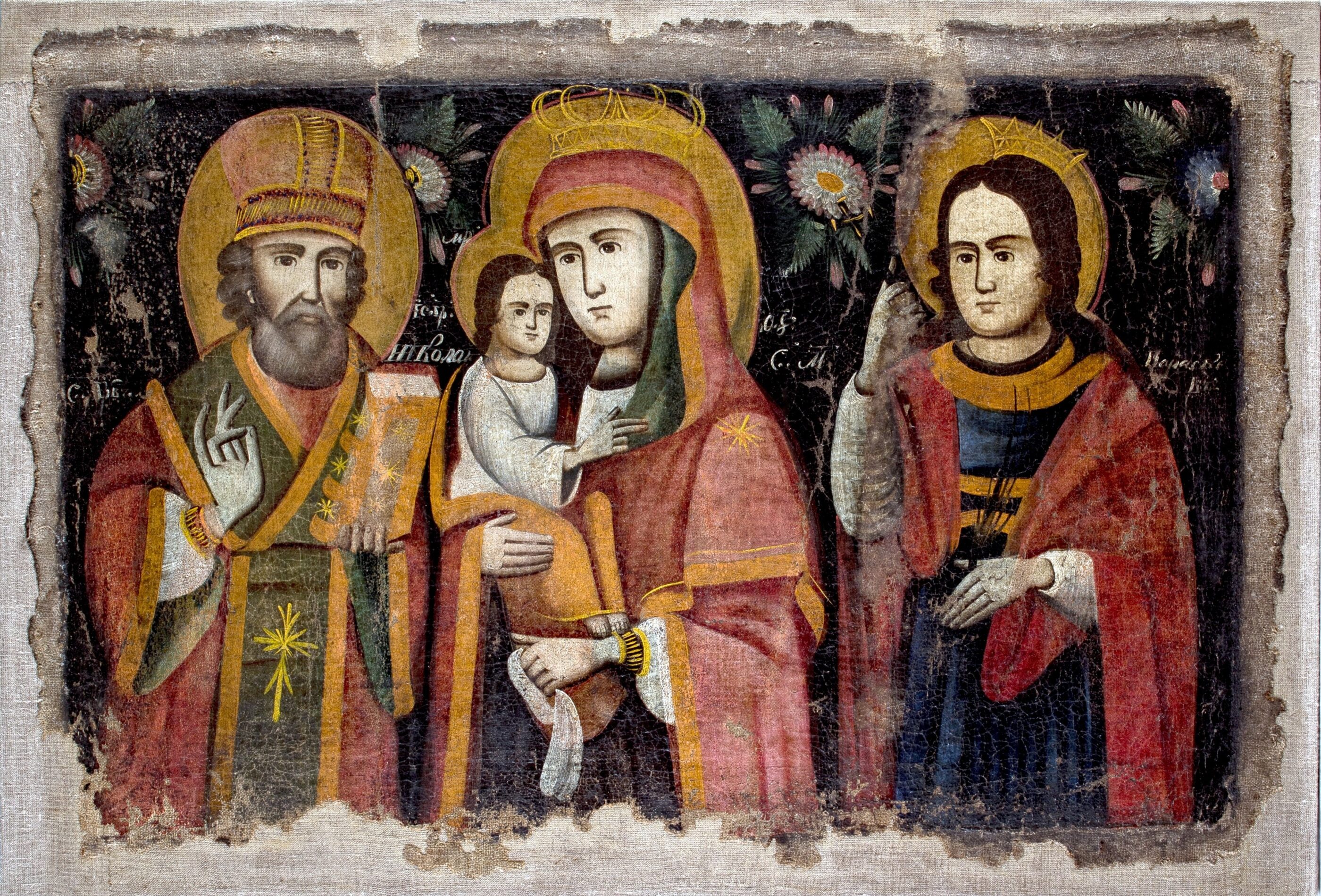
The beatitude of Jn 20:29, “blessed are those who have not seen and have believed,” applies in an eminent way to Mary. During the thirty years of Nazareth, while the Son grew in wisdom and grace, Mary saw neither miracles nor public proclamations: she loved and believed in what had not yet been manifested. During Holy Saturday, she loved without seeing the resurrection that had not yet happened. 1 Pet 1 speaks of a new begetting through the resurrection: Mary is the one who was “begotten anew” in the fullest way, for she was associated with the resurrection of her Son through the Assumption. Acts 2 describes the first community gathered around the breaking of the bread and the prayers: Acts 1:14 tells us that Mary was in the Upper Room with the apostles and the women before Pentecost, at the heart of that first community. Divine Mercy Sunday finds in Mary its most perfect icon: she who received mercy in a singular way, “through whom the whole human race finds grace,” as the liturgy sings, and who intercedes for the world as Mother of Mercy. Thomas’s faith needed hands and a side that could be touched. Mary’s faith did not: she was the blessed one par excellence.
Postgraduate Program in Mariology
Would you like to deepen your formation in Mariology? Discover the Postgraduate Program in Mariology of Locus Mariologicus – an academic formation that unites theological rigor, spiritual life, and the living tradition of the Church.

Responses