Mariological Reflections in Advent: Between Liturgy and Eschatology

A spiritual and theological journey in Advent
Advent is a liturgical season of preparation and expectation, in which the Church makes present the memory of the first coming of the incarnate Word and vigilantly awaits His glorious coming. This season cannot be reduced to a chronological countdown to Christmas; rather, it profoundly articulates liturgical, Mariological, and eschatological dimensions, forming an organic unity of faith and tradition.

The Meaning of the Prayers and Rites
The major and minor euchologies of Advent reveal the theological depth of this liturgical season. Each prayer is a hermeneutical key for understanding the coming of Christ in its twofold dimension: historical and eschatological. Through the rituals, one perceives how each gesture and word in the liturgy of Advent reflects the spiritual journey of the believer, constituting an authentic preparation to receive the divine.
Mary as the Link Between the Old and the New Testament
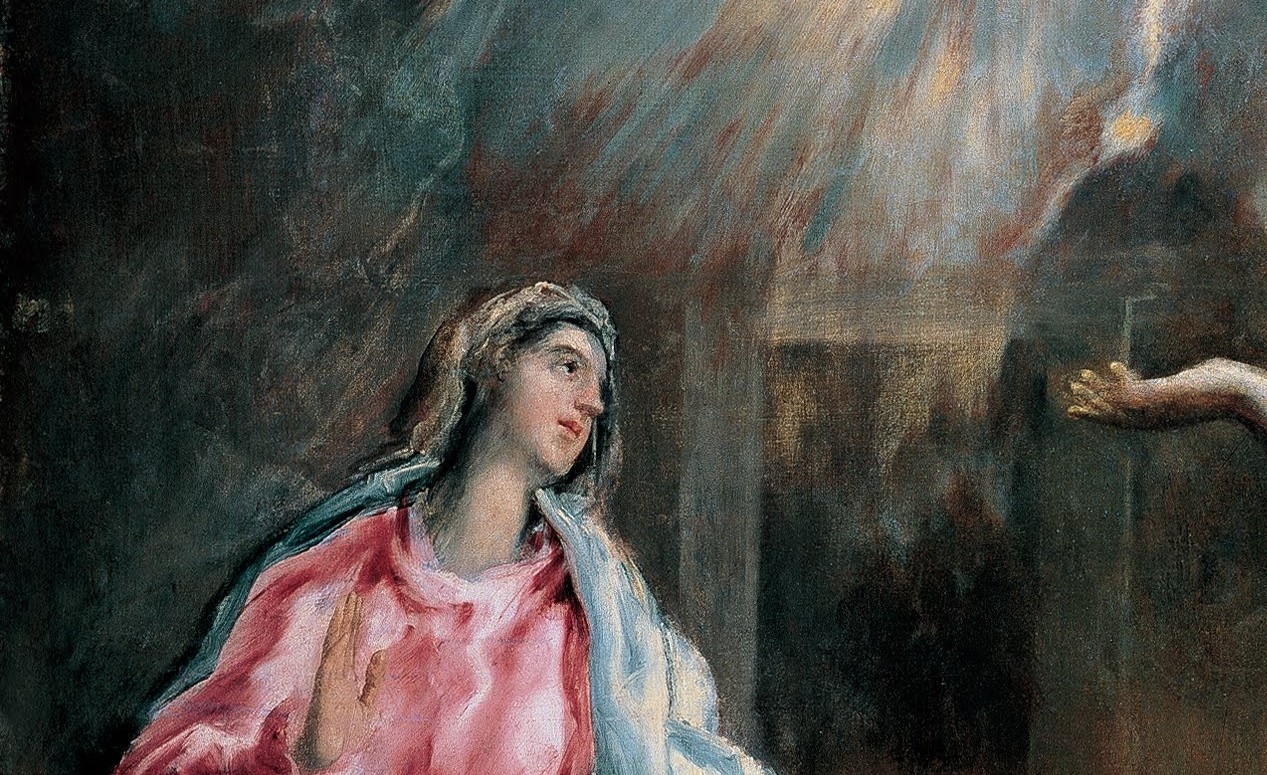
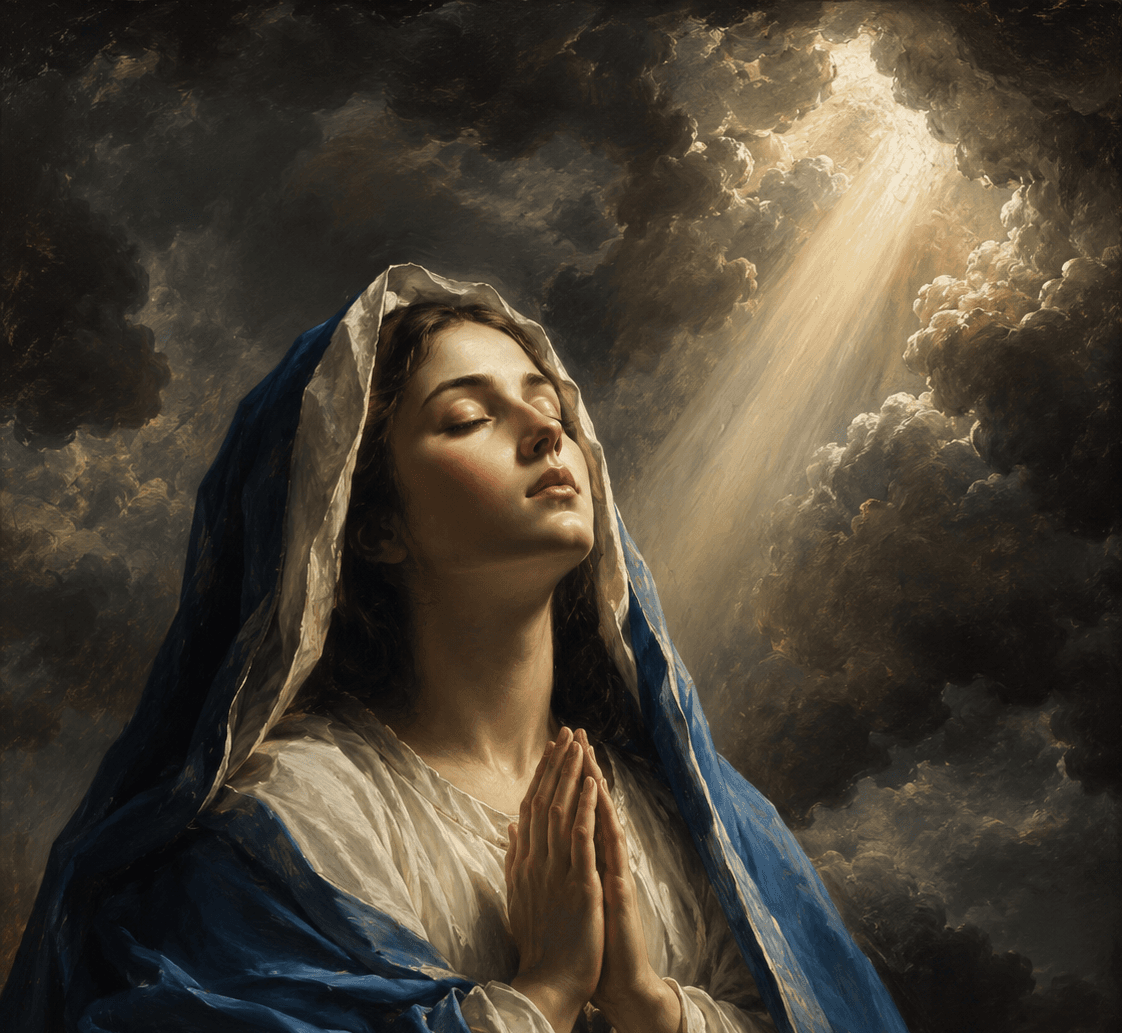
The liturgy of Advent, filled with sacred texts, articulates the Mariological vision of this season. Mary is the living bridge between the Old Testament promises and their fulfillment in Christ. In the prayers and celebrations of Advent, she is venerated not only as Theotokos, but as the first believer, the one who welcomed the word of God with unshakable faith. Mary represents the link between prophetic expectation and historical fulfillment, between promise and saving reality.
Between the Incarnation and the Expectation of the Return
Advent is characterized by a twofold theological expectation. The first coming of Christ in the Incarnation is celebrated, while His glorious second coming is awaited with vigilant hope. This eschatological tension invites us to contemplate how Advent teaches us to live in the dynamic balance between memory and hope, between present reality and future promise.
Reflecting the Duality of the Already and the Not Yet
The liturgy of Advent mirrors the fundamental structure of the Christian faith. In every prayer, in every rite, the tension of the already and the not yet is lived. The liturgy is not a mere repetition of formulas, but an act of faith, a mirror of the spiritual journey of the pilgrim Church. This duality permeates Christian existence, reminding us that each moment is a step on the journey of faith toward eschatological fullness.
Integrating the Reflections of Advent into Daily Life
Having traveled this path through Advent, one must reflect on how these lessons apply to the daily life of the believer. How can we live the richness of Advent each day? What is proposed is a continual integration of these reflections into the daily practice of the faith. This is not the end, but the beginning of an ongoing journey of discovery and spiritual transformation.
The Mariological dimension of Advent, between liturgy and eschatology, is illuminated by Pope John Paul II’s encyclical Redemptoris Mater, which presents Mary as the link between the two Testaments and the model of Christian hope. Read it at Redemptoris Mater (John Paul II).
Deepen your studies: explore Mariology, Marian Theology, Marian apparitions, and the Postgraduate Program in Mariology.
Postgraduate Program in Mariology
Would you like to deepen your formation in Mariology? Discover the Postgraduate Program in Mariology of Locus Mariologicus – an academic formation that unites theological rigor, spiritual life, and the living tradition of the Church.

Responses