Saint Joseph is the patron of the Church, the family, work, and a good death.
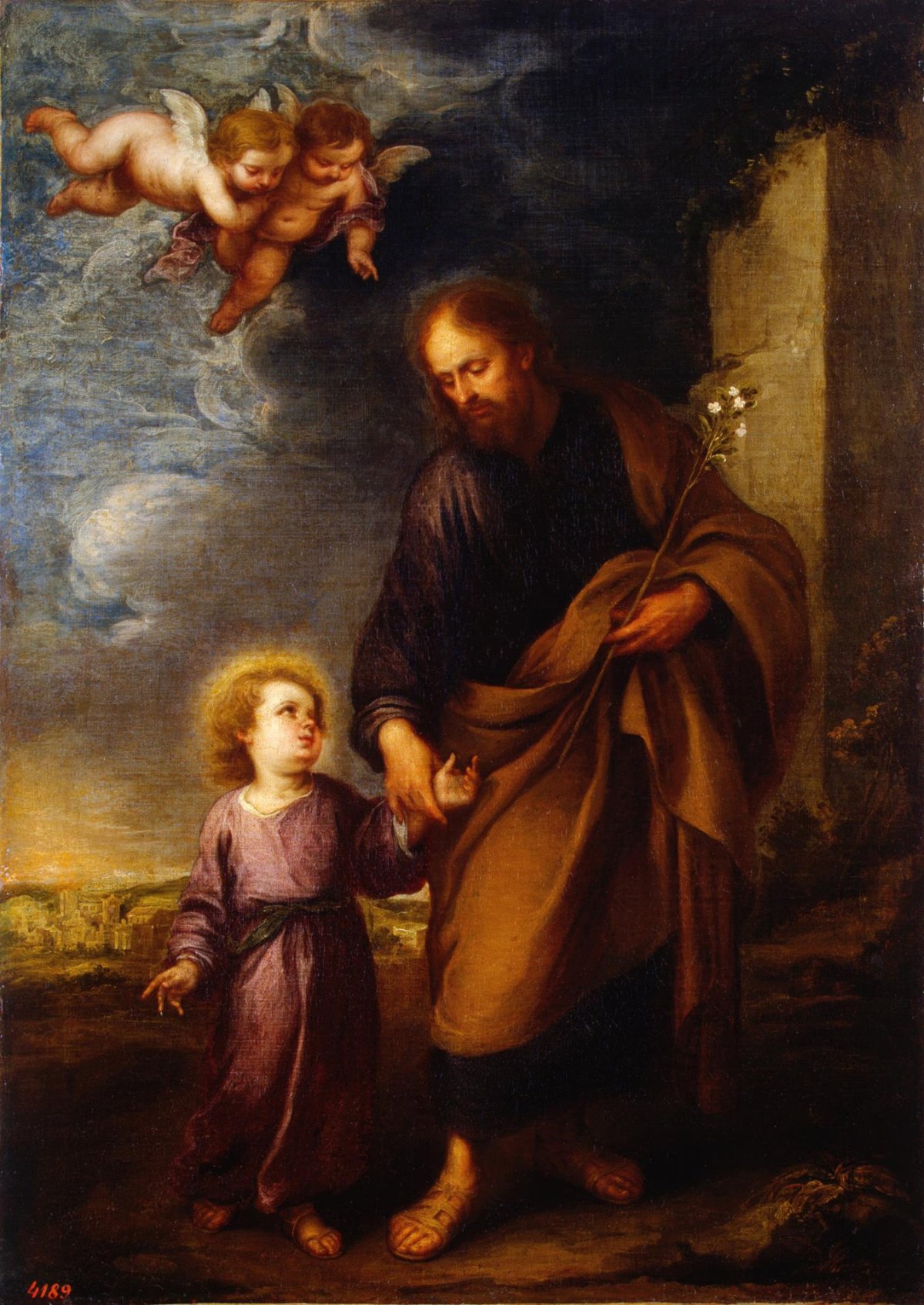
By Prof. Dr. Daniel C. Afonso · Updated
Saint Joseph is the patron of the universal Church, a title bestowed upon him by Blessed Pius IX in 1870. He is also invoked as the patron of families and parents, of workers, of a good death, and since 2021, of exiles, the afflicted, and the poor. Each of these patronages arises from something the Gospel says about him: the husband of Mary and guardian of Jesus, who protected, worked, and died with them.
In summary
- From the Universal Church: Pius IX, Decree “Quemadmodum Deus”, December 8, 1870.
- Of families and parents: because she preserved the Holy Family.
- Of workers: he was a carpenter (Mt 13:55); the feast of Saint Joseph the Worker is 1955.
- Of a good death: Tradition holds that she died with Jesus and Mary present (Catechism, n. 1014).
- Of the exiles, the afflicted, and the poor: litanies approved in 2021.
- Of places: It is the principal patron of Canada and Ceará, among many countries, dioceses, and cities.
Protector of the Universal Church
On December 8, 1870, Blessed Pius IX, by the decree “Quemadmodum Deus” of the Sacred Congregation of Rites, solemnly declared Saint Joseph “Patron of the Catholic Church.” The reason was a parallel: just as Joseph kept Jesus and Mary in Nazareth, he now keeps the Body of Christ, which is the Church.
Nineteen years later, Leo XIII explained the basis of this patronage in the encyclical *Quamquam pluries* (August 15, 1889), and attached to it the prayer “To you, Saint Joseph, we turn.” See Saint Joseph, patron of the Universal Church.
Patron of families and parents
Joseph was the husband of Mary and the father of Jesus, in the sense that the Church calls it virginal and legal fatherhood. It was he who gave the name to the Child (Mt 1:25), who took him to Egypt to save him (Mt 2:13-15) and who sought him anxiously in the Temple (Lk 2:48). That is why families, spouses and parents invoke him as a protector.
Pope Francis described this paternity in the letter *Patris corde* (2020): beloved father, a father in tenderness, in obedience, in welcome, with creative courage, a worker, and “in the shadow.” See Is Saint Joseph the father of Jesus? and *Patris corde*.
Patron of Workers
The Gospels call Jesus “son of the carpenter” (Mt 13,55). The Greek word tékton refers to the craftsman who works with wood and construction. On May 1, 1955, Pope Pius XII established the feast of Saint Joseph the Worker, presenting him as a model and protector of all who work. See Saint Joseph the Worker.
Patron of a good death
The Gospels do not narrate Joseph’s death, but tradition holds that he died before Jesus’ public life, attended to by Jesus and Mary. It is the most desirable death that exists, and from it arises the title of “patron of a good death.” The Catechism recounts:
The Church exhorts us to prepare for the hour of our death […] and to trust in Saint Joseph, patron of a good death (Catechism, n. 1014).
See The Transitus of Saint Joseph.
What does the Saint Joseph’s Litany add?
The Holy Rosary of Saint Joseph, approved in 1909, includes various patronages: model of workers, glory of family life, protector of virgins, support for families, comfort for the unhappy, hope for the sick, patron of the dying, terror to demons, and protector of the Holy Church.
On May 1st, 2021, during the Year of Saint Joseph, Pope Francis approved seven new invocations, among them:
- Patron of the exiled (Patrone exsulum), because Joseph lived as a refugee in Egypt;Patron of the afflicted (Patron of those who are suffering)Patron of the poor (Patronus pauperum).
See The Litany of Saint Joseph: history and new invocations.
Patron of countries, dioceses, and cities
Saint Joseph is the principal patron of Canada and, in Brazil, of the state of Ceará, where March 19th is a state holiday. He is also the patron of numerous dioceses, parishes, cities, and religious congregations around the world. See Saint Joseph’s Day: March 19th.
Frequently Asked Questions
São José é santo protetor do quê?
É o padroeiro da Igreja universal (declarado por Pio IX em 1870) e é invocado como protetor das famílias e dos pais, dos trabalhadores, da boa morte e, desde 2021, dos exilados, dos aflitos e dos pobres.
Por que São José é padroeiro da boa morte?
Porque a tradição diz que ele morreu assistido por Jesus e por Maria, a morte mais serena que um cristão pode desejar. O Catecismo exorta os fiéis «a confiarmo-nos a S. José, padroeiro da boa morte» (n. 1014).
Quem declarou São José padroeiro da Igreja?
O beato Pio IX, em 8 de dezembro de 1870, pelo decreto Quemadmodum Deus. Leão XIII explicou o fundamento desse patrocínio na encíclica Quamquam pluries, de 1889.
São José é padroeiro do Brasil?
Não. A padroeira do Brasil é Nossa Senhora Aparecida. São José é padroeiro do estado do Ceará e de muitas dioceses e cidades brasileiras.
Por que São José é chamado «terror dos demônios»?
É uma das invocações da sua ladainha. A tradição vê em José o guardião que protegeu Jesus e Maria de todo perigo; por isso a Igreja o invoca também contra as ciladas do Maligno.
São José é padroeiro dos trabalhadores?
Sim. Os Evangelhos o apresentam como carpinteiro (Mt 13,55), e Pio XII instituiu em 1955 a festa de São José Operário, celebrada em 1.º de maio.
References
- BIBLE (New American Bible):– Matthew 1:18-25
– Matthew 2:13-23
– Matthew 13:55
– Luke 2:41-52
- Catechism of the Catholic Church, n. 1014. FRANCISCO. Apostolic Letter Patris corde, Dec. 8, 2020.LEON XIII. Encyclical Quamquam pluries, Aug. 15, 1889.PIUS IX. Decree Quemadmodum Deus, Sacred Congregation of Rites, Dec. 8, 1870.Saint Joseph’s Litanies. *Acta Apostolicae Sedis* 1 (1909) 290-292; new invocations approved on May 1, 2021.
Responses