Symbolic Character of Marian Iconography in the Third and Fourth Centuries

By Prof. Dr. Daniel C. Afonso · Updated
Symbolic Character of Marian Iconography in the Third and Fourth Centuries
The brief look cast at the Marian iconographic sources helps us better understand how, in the eyes of the viewers of the time, in a way certainly more immediate than ours, one must in fact gradually go back, through the historical-cultural investigation of the image, to its meaning. The compositions in which the Virgin appeared always had a symbolic character: Mary’s posture in the Nativity,
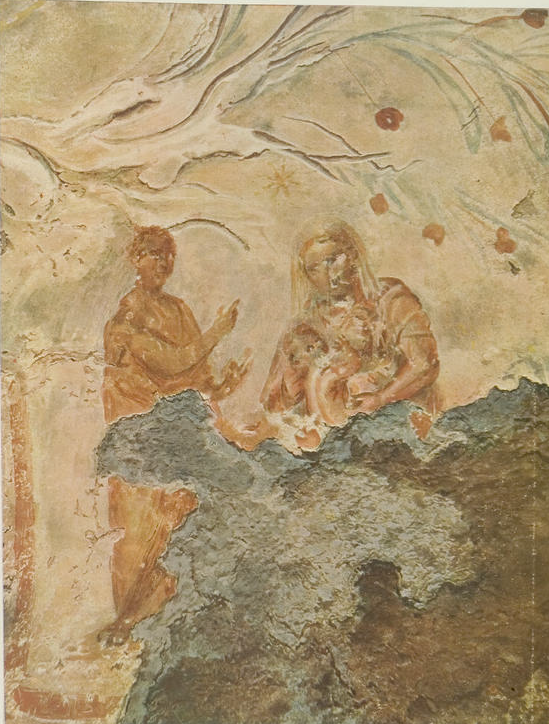
the choice of the setting composed of furniture and clothing that do not correspond to the historical ones, the transition to the frontal and symmetrical arrangement, the signs of the theophanic apparition and divine royalty typical of the epiphanic lexicon, constituted a set of symbolic indications that conveyed an unequivocal message about the eminent dignity of that Mother-Son group.
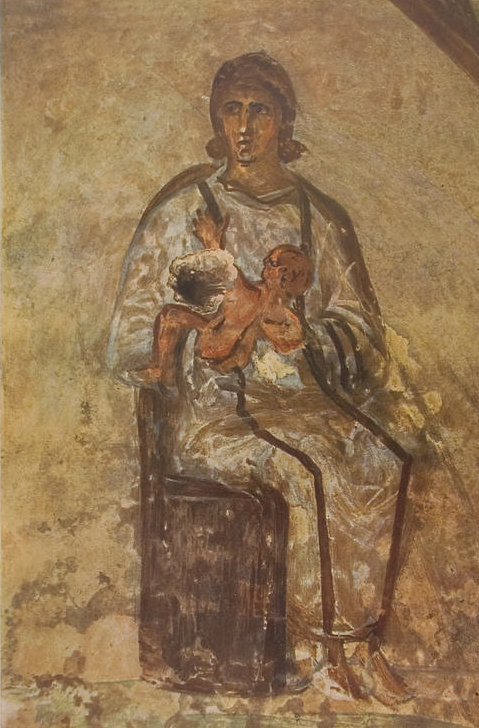
What made the scene symbolic was not so much an overall symbolic language, a new aesthetic, whose elaboration according to the Christian conception of the world could only require a long period of time, but the iconographic scheme chosen by the executors and patrons from within the vast existing heritage, as well as the deliberate variations introduced into it.
To this symbolic message linked to the compositional structure of the scene and to its setting was added another, equally important one which, however, since it consists of an absence, often goes unnoticed: absent is any indication, through expression or posture, glances and gestures of tenderness, of an affective relationship between Mother and Son.

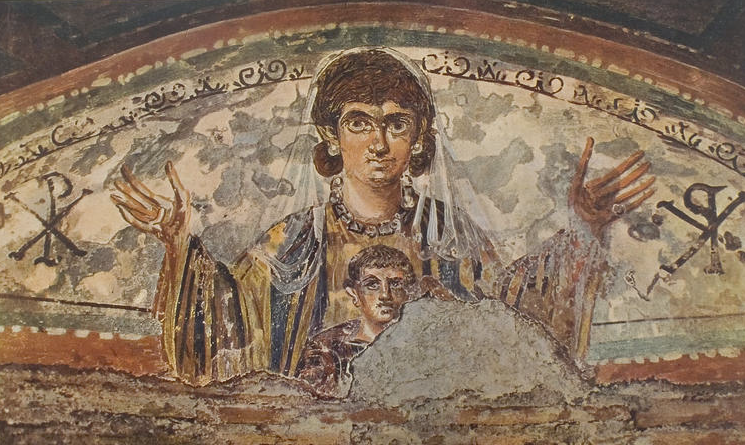
The Child does not look at the Mother nor draw close to her. This will only happen several centuries later. Mary, in the Nativity, does not even look at the Newborn because she is meditating.
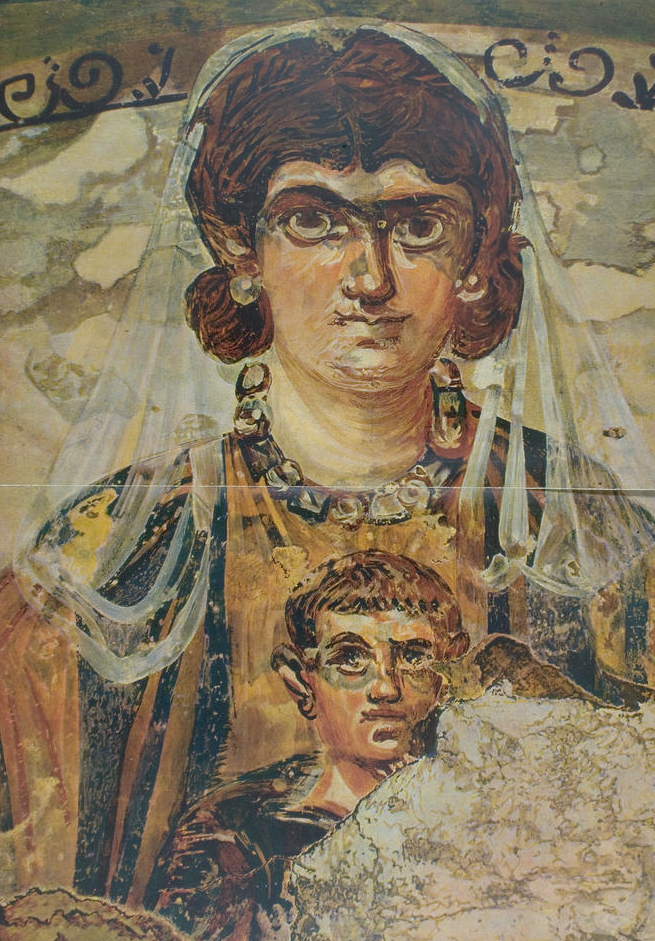
Or, in the scene of the Magi, she simply presents Him for their adoration or points Him out as Lord in the Ascension and Glorification.
The indication of the affective relationship between Mother and Son appears only in the eighth to ninth centuries with the iconographic type known today as the Virgin of Tenderness, in which the Child leans His head against the Mother’s face and looks at her.
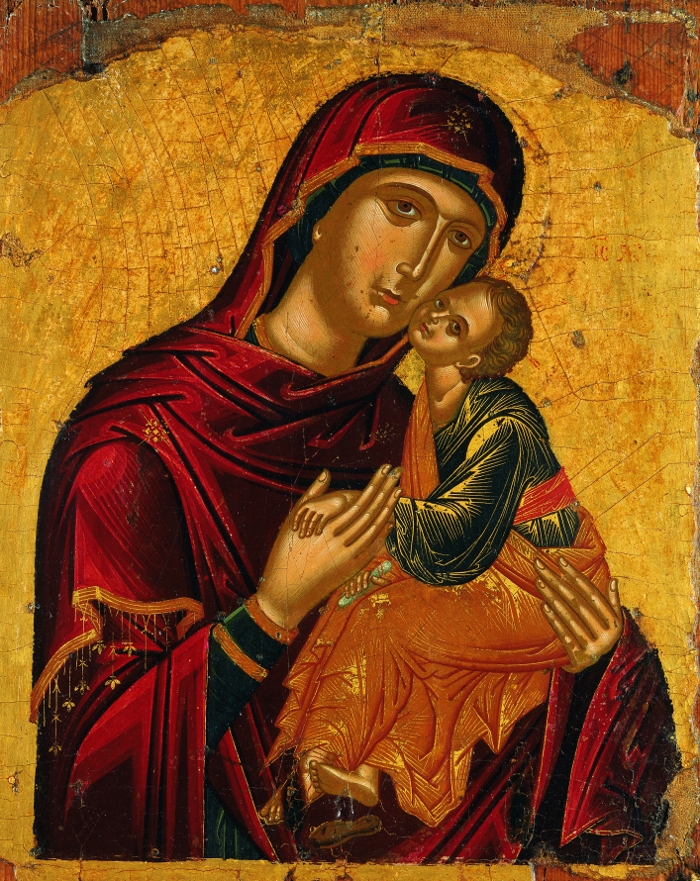
(Eleusa Virgin).
This silence of the affections makes it possible to achieve a twofold purpose: to direct all attention to the figure of the Child (in the case of the Nativity or the Adoration of the Magi) or of Christ the Lord (in the case of the Ascension-Glorification), presenting the figure of the Virgin Mother as subordinate to it; to remove the representation from a context of everyday family life of a sentimental kind, so that it is clear that its content is not narrative, but doctrinal: the presence of the Virgin Mary serves to speak of the mystery of the incarnation of the Word of God, of His virginal birth, of the total acceptance that made it possible, of the recognition by men of His divine glory, of the role of witness and intercession played by the Mother in the Church.
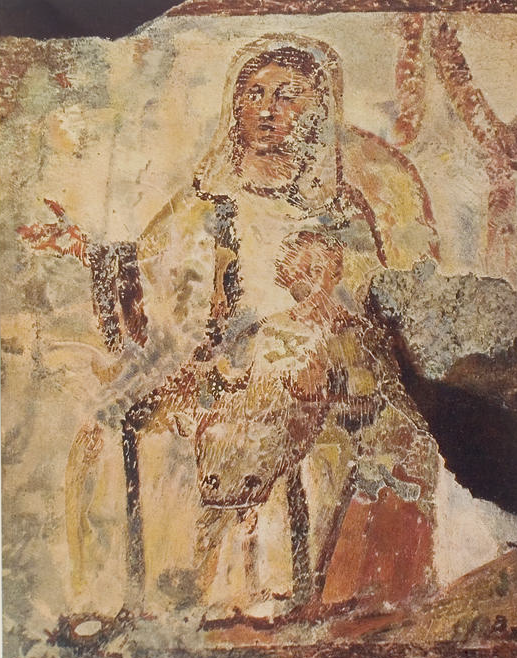
The study of the Marian iconography of the third and fourth centuries makes it possible to highlight, on the one hand, the presence, at a more or less refined stage of development, of the main Marian iconographic types.
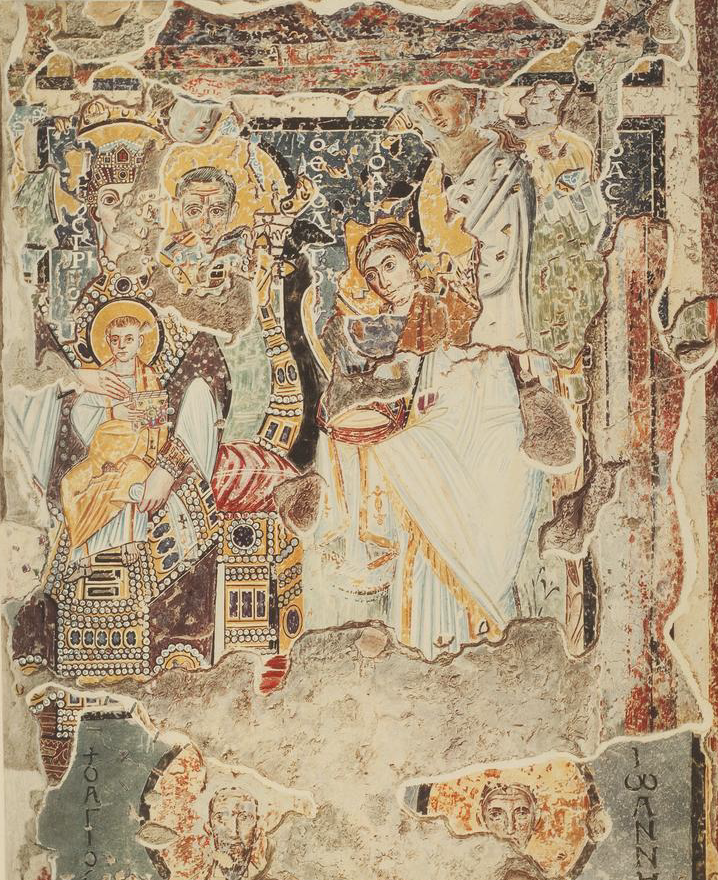
On the other, the doctrinal content expressed in symbolic form that characterizes them. In this way, there is also the unity of inspiration of Marian iconography, for which the definition at Ephesus in AD 431 of Mary as Theotokos
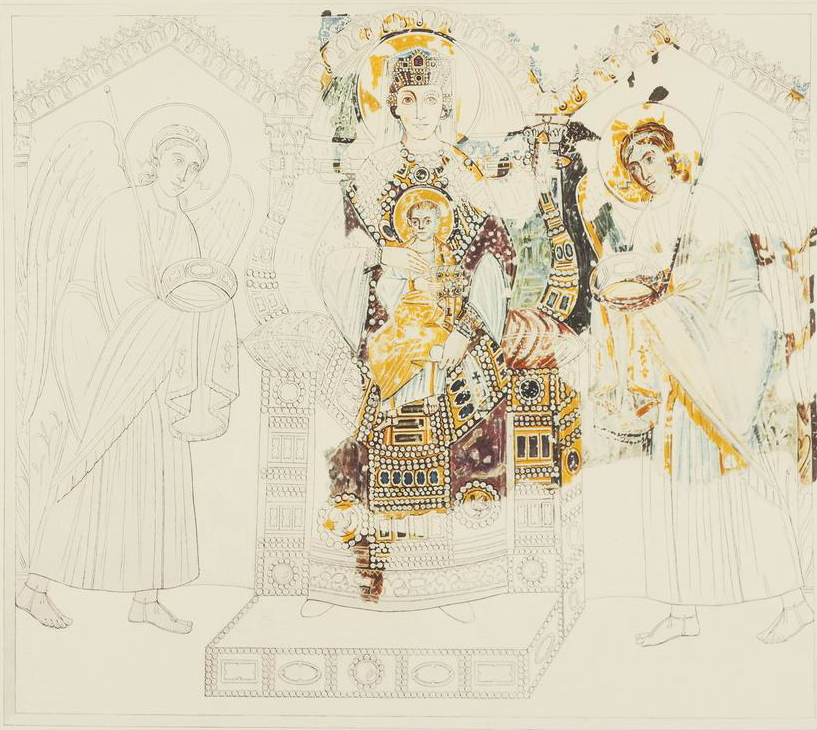
does not constitute a watershed in content, but only an incentive to the flourishing of architectural and figurative monuments, in full analogy with what happens with the literary monuments of the same period.
To deepen your reflection on the symbolic character of Marian iconography and its meaning for the faith, consult Paul VI’s apostolic exhortation Marialis Cultus, which guides the authenticity of Marian artistic and devotional expressions.
Deepen your studies: explore Mariology, Marian Theology, Marian apparitions, and the Postgraduate Program in Mariology.
Postgraduate Program in Mariology
Would you like to deepen your formation in Mariology? Discover the Postgraduate Program in Mariology of Locus Mariologicus, an academic formation that unites theological rigor, spiritual life, and the living tradition of the Church.
Discover the oldest Marian image in the Catacomb of Priscilla.
Would you like to study Mariology seriously?
This article draws on works from the Locus Mariologicus library. The Postgraduate Program in Mariology takes you to the same source, with academic guidance: Scripture, Fathers of the Church, and Magisterium, from the first dogma to contemporary questions.
Responses