The Canticle of Hope
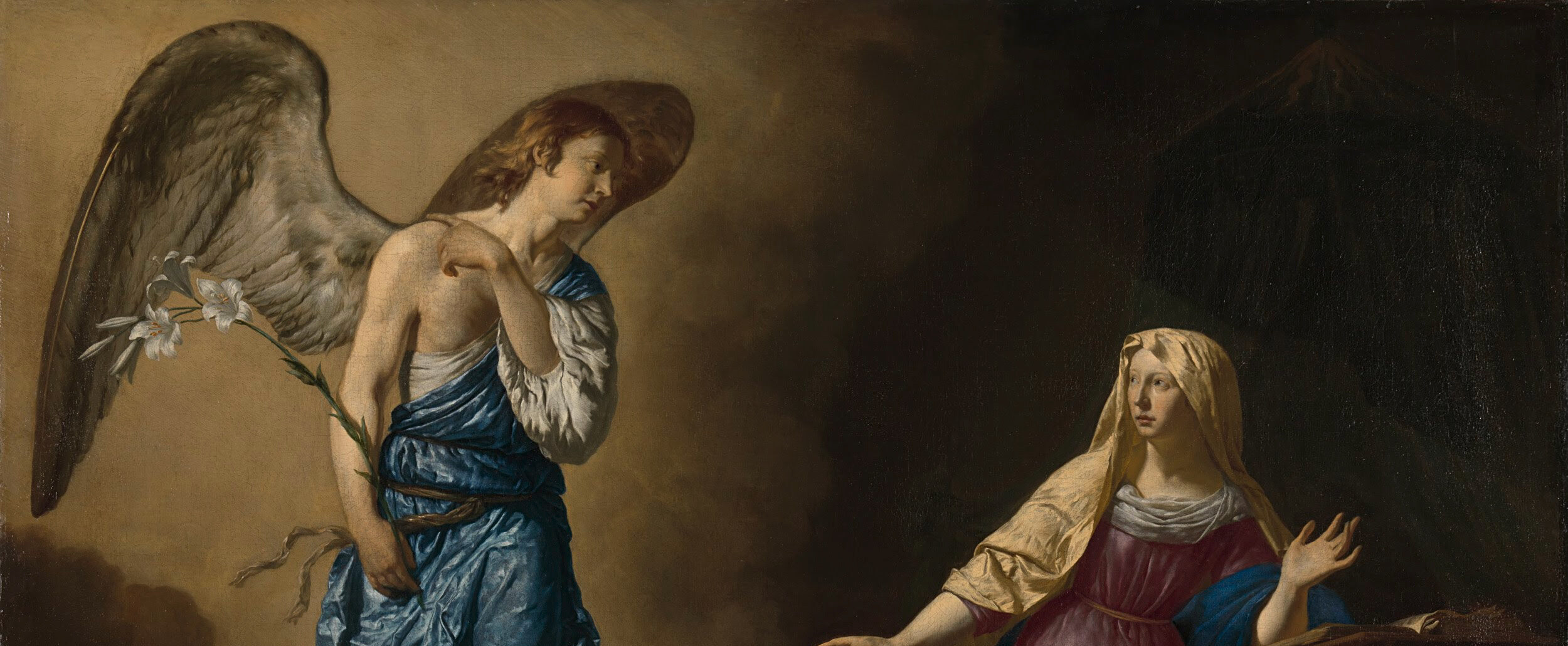
Mary and the Magnificat: the canticle of Christian hope
In the angelus prayer of August 15, 2022, Pope Francis stated that the Magnificat is a canticle of praise that we might define as “the canticle of hope”. In it, with great realism, the Virgin Mary exults with joy for the wonders that the Lord has accomplished in her life and contemplates the work of God throughout the history of her people. From her song there beautifully overflows an immense prayerful gratitude, born of the action of the Holy Spirit, who inspires her interiorly and who guides her in concrete life.
Mary did not entrust her life to a distant, imaginary, unfeeling, unknown god, made to the measure of man. She belongs entirely to the Holy One of Israel, to the God who is Emanuel, to the God who is infinite Love. For this reason the grateful Virgin praises the God of hope, who chose her and who built in her the holiest of his dwellings. She acknowledges the abundance of God’s generosity and, unlike the lazy servant who hid the gifts he had received in a handkerchief (cf. Lk 19:20), she overflows with hope and fidelity, with joy and faith. Indeed, in the Virgin’s overflowing joy, God himself overflows, as the most precious gift that she shares, because in her everything is for the glory of God.
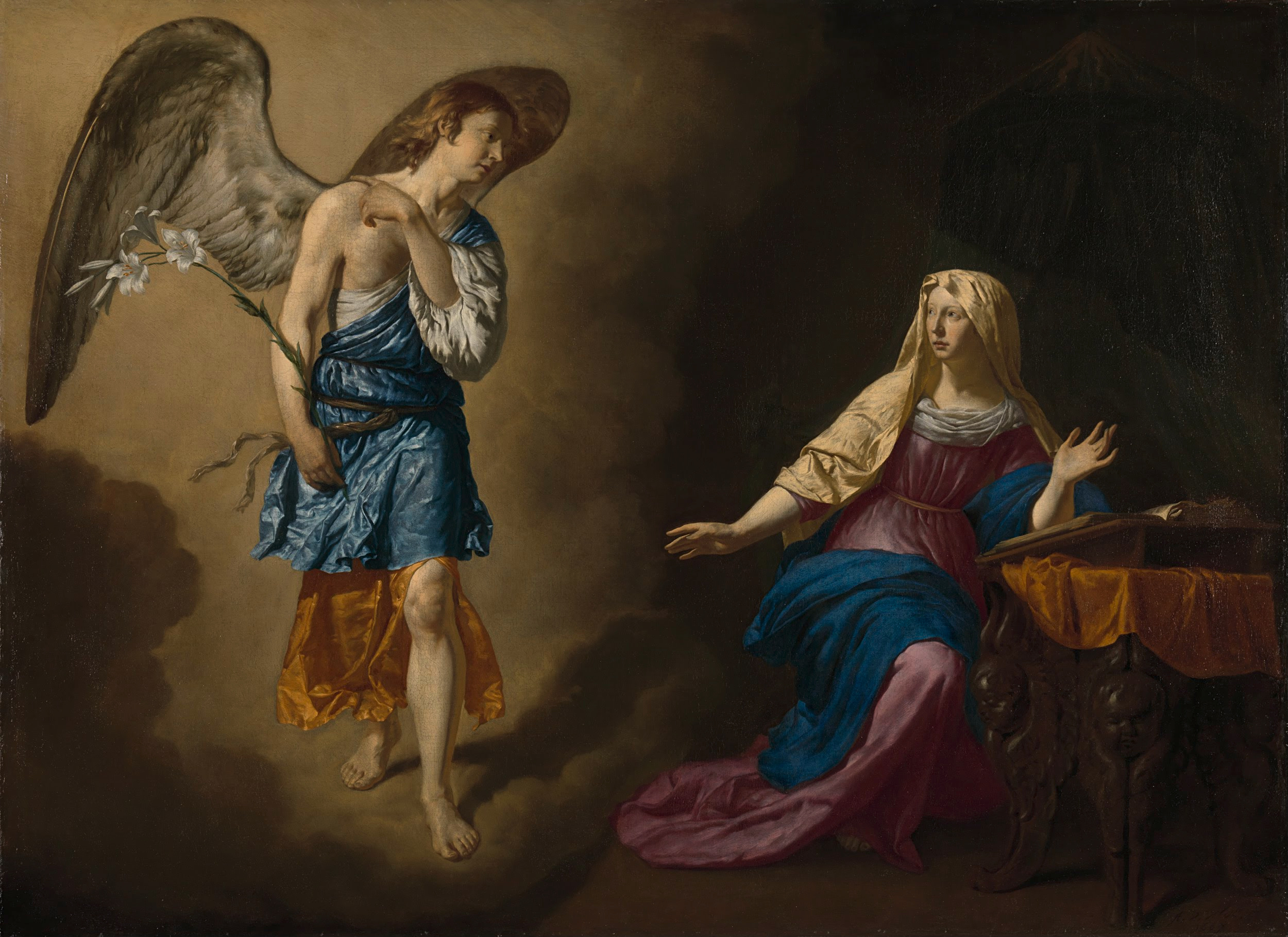
Mary recalls the wonders of God: a prophetic witness
In her canticle of praise, Mary recalls the wonders worked by God throughout the history of salvation. Within that history, she gives thanks in a special way for the sublime wonder of having been chosen to receive the Incarnation of Christ, whom her fellow townspeople would call “the Son of Mary” (cf. Mk 6:3). Therefore the Handmaid of the Lord recalls the promise made to Abraham and to his descendants and recognizes, in the concrete events of her life, the fulfillment of that promise. Her hope entered into the great stream of hope that animated so many generations, until it reached Christ, whom she brought forth, fulfilling the Scriptures.
The praise of the Mother of the Lord is a prophetic witness, running through all generations, that true hope does not deceive and does not disappoint. The Holy God never deceives those who accept his will and fulfill it with generosity. The promise of a future of hope does not belong to the past, is not confined to a historical epoch, and is not a fatalism guided by destiny. God guarantees us a future of hope, above all in those moments when, so often, there seems to be no hope and no future. So Mary sang, in her canticle of hope. So must the pilgrims of hope sing, in this jubilee year.
Fr. João Paulo Domingues Quelhas
Chaplain of the Shrine of Fátima, Portugal
Mary’s Magnificat is analyzed in depth in the Apostolic Exhortation Marialis Cultus of Paul VI, where this canticle is presented as a model of Marian prayer and of Christian hope.
Deepen your studies: explore Mariology, Marian Theology, Marian apparitions, and the Postgraduate Program in Mariology.
Formation in Mariology: The Locus Mariologicus Institute offers the Postgraduate Program in Mariology, articles, and academic resources on Mariology, Marian apparitions, and Marian Theology.
Postgraduate Program in Mariology
Would you like to deepen your formation in Mariology? Discover the Postgraduate Program in Mariology of Locus Mariologicus – an academic formation that unites theological rigor, spiritual life, and the living tradition of the Church.





Responses