Mary and the dignity of woman: the new woman beside the new man
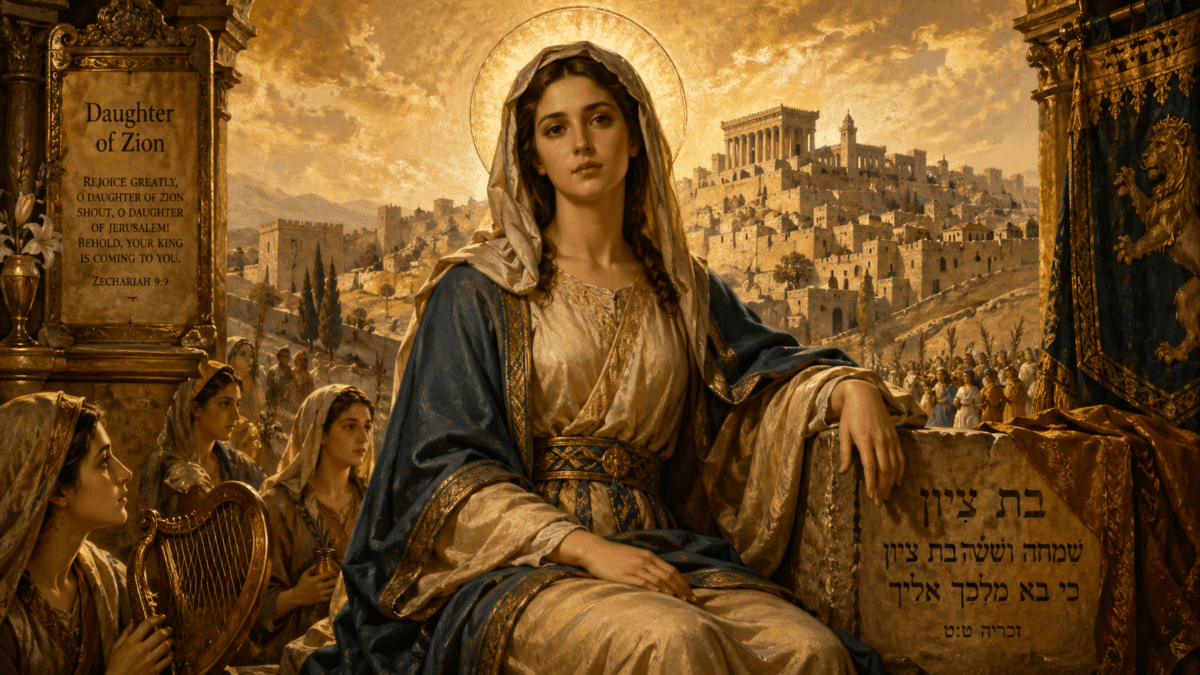
Mary and the dignity of woman: the new woman beside the new man
The relationship between Mary and the feminine condition is one of the most discussed themes in contemporary Mariology. The apostolic exhortation Marialis Cultus (Paul VI, 1974) recognizes that there is a “gap between certain contents of Marian devotion and current anthropological conceptions” (MC 34), calling for a renewed reading of the figure of Mary that respects her biblical authenticity and responds to the questions of contemporary woman.
The image of Mary in history
In the first centuries, Mary was the model of the believer, man or woman, and not only of woman. With the development of medieval Marian devotion, there was a growing emphasis on an image of Mary centered on motherhood, on intercession and on virtues such as docility and patience, virtues that patriarchal culture tended to associate exclusively with woman. This development carried ambiguities: Mary was proposed as a model of silence and passivity, which feminism criticized as the ideological function of a masculinist society. Marialis Cultus explicitly takes up the need for a “profound critical revision” of this model (MC 34).
The biblical Mary: active, free and committed
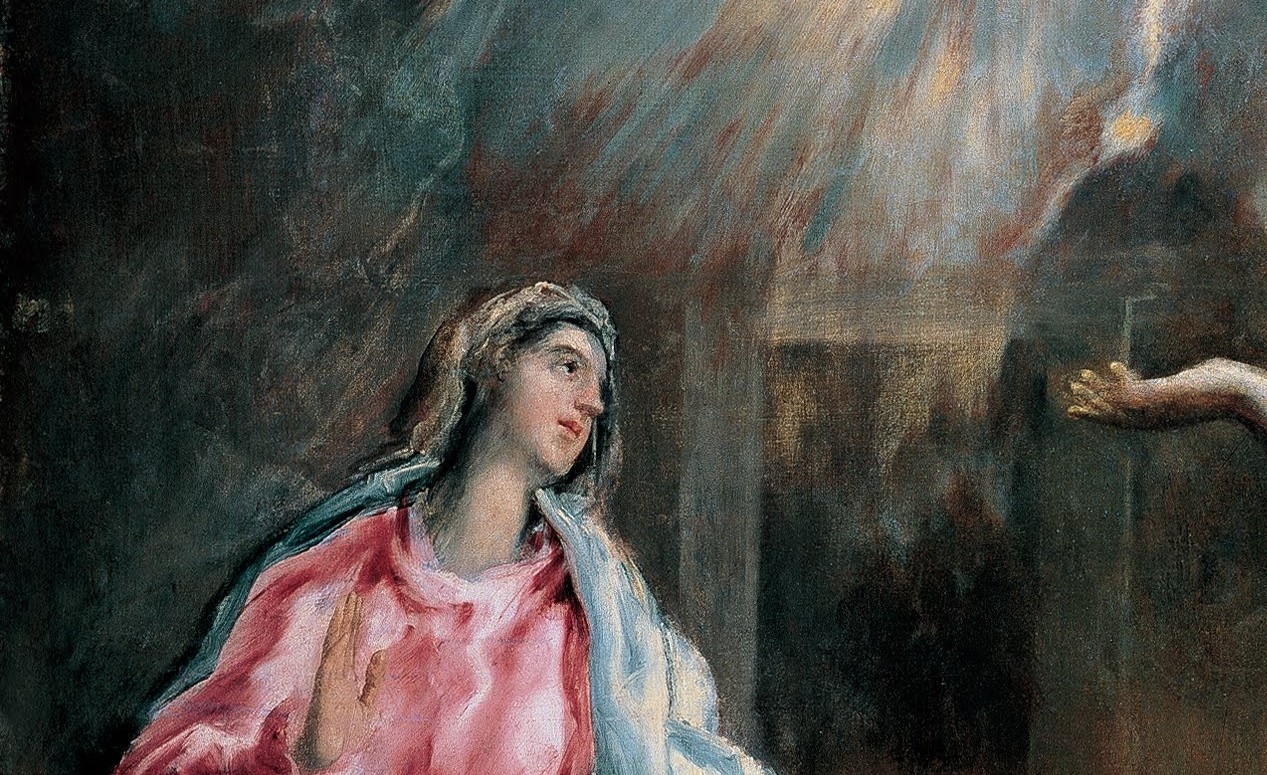
The renewed biblical reading presents a Mary radically different from the passive devotional image. The Magnificat is the canticle of the “first revolutionary of the new order,” which proclaims the rights of God over the poor and the oppressed. The Visitation is the first missionary act: Mary brings Christ to meet Elizabeth with initiative and concrete service. At Calvary Mary is “standing,” not merely suffering, but committed to the saving mission of her Son. The Second Vatican Council affirms that “the Virgin also advanced in her pilgrimage of faith” (LG 58): the faith of Mary is not static security, but risk and growth.
Model of every believer, not only of woman
Marialis Cultus is decisive: Mary is “the perfect model of the disciple of the Lord: an artisan of the earthly and temporal city, but a solicitous pilgrim toward the heavenly and eternal one. Promoter of the justice that sets the oppressed free and of the charity that comes to the aid of the needy, but above all an active witness of the love that builds Christ up in hearts” (MC 37). This model is proposed to all the faithful, without distinction of sex. The virtues of Mary (faith, obedience, hope, charity, service) are not feminine properties, but properties of Christian discipleship.
The new woman beside the new man
The definitive horizon is eschatological: Mary is “the new woman” beside “Christ, the new Man, in whose mystery alone the mystery of man finds true light,” and she stands in Him as pledge and guarantee that in a pure creature, in Mary, the plan of God in Christ for the salvation of the whole man has already been fulfilled (MC 57). The glory of Mary does not diminish but exalts all humanity: “she is of our race, a true daughter of Eve, though free from the fault of that mother, and truly our sister, who, a humble and poor woman, fully shared our condition” (MC 56).
Deepen your studies: explore Mariology, Magnificat, Mary the Faithful and the Postgraduate Program in Mariology.
Magisterium of the Church
Mulier, a Deo ad imaginem et similitudinem suam creata (Gen 1:27), per mysterium Incarnationis et Redemptionis ad summam dignitatem evehitur in persona Mariae Virginis.
S. Ioannes Paulus II, Litt. Ap. Mulieris Dignitatem, n. 5 (15 augusti 1988)
📚 Literal translation: Woman, created by God in His image and likeness (Gen 1:27), is raised through the mystery of the Incarnation and of the Redemption to the highest dignity in the person of the Virgin Mary.
Et tu, Filia Sion, noli timere: tota pulchra es, amica mea, et macula non est in te.
Canticum Canticorum 4:7 (Vulgate, applied to Mary by the patristic tradition)
📚 Literal translation: And you, Daughter of Zion, do not fear: you are all beautiful, O my friend, and there is no stain in you.
Postgraduate Program in Mariology
Would you like to deepen your formation in Mariology? Discover the Postgraduate Program in Mariology of Locus Mariologicus, an academic formation that unites theological rigor, spiritual life, and the living tradition of the Church.
Learn what the Church teaches about Mary, Mediatrix of All Graces.
Would you like to study Mariology seriously?
This article is born from the works in the library of Locus Mariologicus. The Postgraduate Program in Mariology takes you to the same source, with academic guidance: Scripture, the Fathers of the Church, and the Magisterium, from the first dogma to contemporary questions.

Responses