The Son who said “no” and went: Ezekiel 18, Philippians 2, and the parable of the two sons in Matthew 21
Scripture:
“He humbled himself, taking the form of a servant, and became like men.” (Philippians 2:7)
Reflection:
The twenty-sixth Sunday of Ordinary Time, Year A, weaves together three texts focusing on the authenticity of responding to God: not promises but actions, not appearances but reality. Ezekiel 18:25-28 teaches that God judges each person based on their current state, not their past. A wicked person who repents and lives justly will live, while a righteous person who strays will perish.
Philippians 2:1-11 presents the hymn of kénosis, where Christ, though divine, emptied himself, took on the form of a servant, and humbled himself to the point of death on a cross. Matthew 21:28-32 narrates the parable of the two sons, illustrating the point that one who says yes but does not act, and one who says no but does, both fail.
These texts converge: God judges based on actions, and the supreme model of an authentic response is Christ, who, being God, emptied himself to do the will of the Father.
I. The First Reading: Ezekiel 18:25-28
The house of Israel complains, “The way of the Lord is not right” (Ez 18:25). God turns their complaint around: “Is my way not right, or is it your ways that are not right?” (v.25). He sets forth the principle that troubles them: God judges each person based on their current state, not their past. “If a just person turns from their justice and does evil and dies for it, they die for their evil” (v.26). “But if a wicked person turns away from their wickedness and does justice and righteousness, they will live” (v.27). Past sin does not condemn if there is repentance, and past virtue does not save if there is apostasy. God does not judge paths; he judges positions. What matters is where one stands, not where they have been. This assertion is both demanding and liberating: demanding because it does not allow resting on past merits, liberating because it does not allow despair over past sin.
II. The Second Reading: Philippians 2:1-11
Paul calls for unity in humility: “Do nothing out of party spirit or vain glory, but in humility consider others superior to yourselves” (Phil 2:3-4). The foundation is, “Have the same mindset as Christ Jesus” (v.5). This is followed by one of the densest passages in the New Testament: Christ “emptied himself, taking the form of a servant, and became like men” (vv.6-7). He went even lower: “He humbled himself, becoming obedient to the point of death, even death on a cross” (v.8). Kénosis is not a random diminishment; it is the supreme act of love that keeps nothing for itself. This is then turned into a trinitarian affirmation: the exaltation that follows is the fruit of the humiliation: “God exalted him to the highest place” (v.9). The son who emptied himself was the son who was exalted.
III. The Gospel: Mt 21:28-32
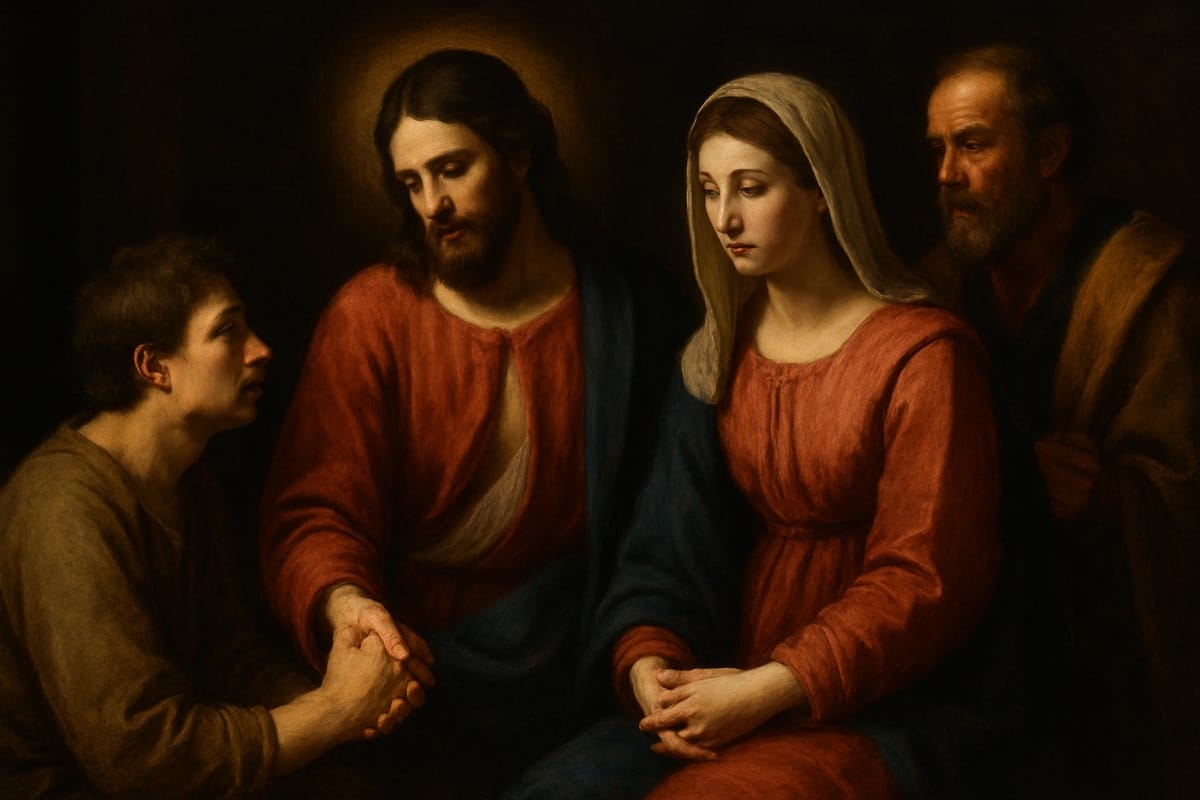
Jesus asks: “What do you think? There were two sons. To the first he said, ‘Go work in the vineyard today.’ He replied, ‘I don’t want to.’ But later he repented and went. He went to the second and said the same. He answered, ‘I will, Lord.’ But he did not go. Which of the two did the will of his father?” (Mt 21:28-31). The answer is clear: the first son. And the surprising application: “Truly I tell you, tax collectors and prostitutes will enter the Kingdom of God before you. For John came to you in the way of righteousness, and you did not believe him. But tax collectors and prostitutes believed him” (vv.31-32). The chief priests and elders are the second son: they said yes (to the Law, the Temple, tradition) but did not act. Tax collectors and prostitutes are the first son: they said no (through their lives distant from God) but, when they heard John, they repented and went. Ez 18 illuminates the parable: what matters is not one’s past sin but present conversion. The hymn in Phil 2 further illuminates it: the supreme model of “going” is Christ, who emptied himself of all to do the will of the Father.
IV. Mary and the Kenosis of Yes
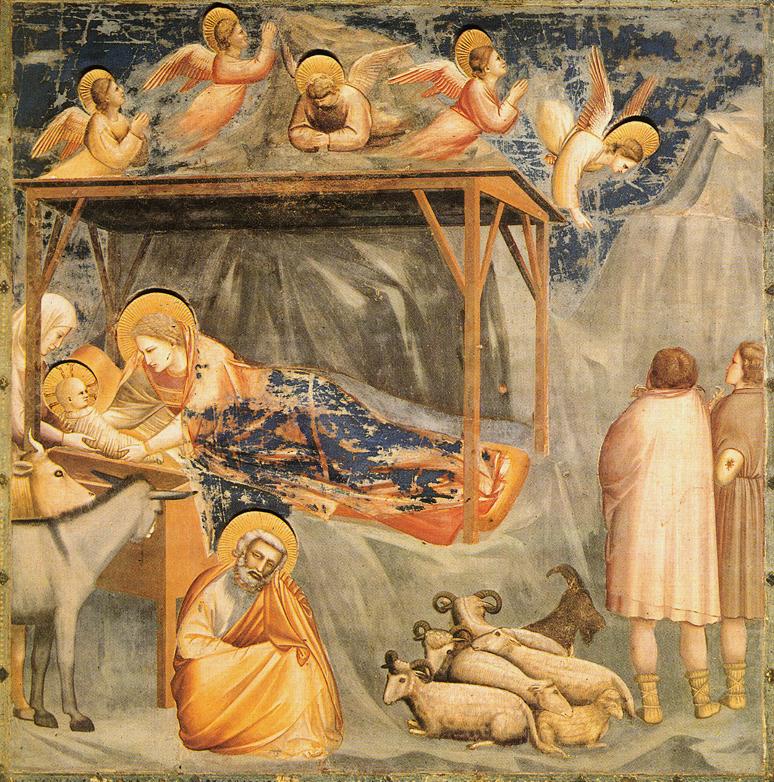
The hymn in Phil 2 describes Christ as one who “did not hold onto his equality with God” and emptied himself, taking on the form of a servant. Mariology has seen in Mary the creature who most approached this kénosis: the servant of the Lord who said “Let it be to me according to your word” (Lk 1:38) is the one who kept nothing for herself to make room for the Son of God. The Annunciation is the moment when the form of the servant becomes the receptacle of eternity: Mary’s kénosis makes Christ’s kénosis in history possible. In the parable of the two sons, Mary is the son who said yes and went: not only at the Annunciation, but in Bethlehem, Egypt, the Temple, Cana, Calvary, and the Cenacle. There was never a contradiction between her word and her deed, her promise and her presence. And Ez 18 confirms: what matters is the present state. Mary, who never strayed from the justice she received from the beginning, is the model of what God wants: not a perfect trajectory without flaws (which she fully knew), but a disposition to always start over when she strayed, to always go when the Father called.
Postgraduate Program in Mariology
Would you like to deepen your formation in Mariology? Get to know the Postgraduate Program in Mariology from Locus Mariologicus – an academic formation that combines theological rigor, spiritual life, and the living tradition of the Church.



Responses