Hope in the Synoptic Tradition

Introduction
Hope is a central element in the message of Jesus and in the Synoptic tradition of the New Testament. This article explores how hope is articulated in the Synoptic Gospels and in the Book of the Acts of the Apostles, highlighting the tension between the “already” and the “not yet” of the promises of salvation. We will analyze how this hope is manifested in the message of Jesus, in His teachings and in the practices of the post-paschal community, reinforcing the confident and patient expectation of the Kingdom of God.
1. Hope in the message of Jesus
According to the Synoptic tradition, including the Book of the Acts of the Apostles, whoever believes in Jesus is directed toward the future. In view of the promised inheritance (Mt 19:29; Mt 25:34) and of the expected reward (Mt 5:12; Lk 6:22), the faithful are called to remain vigilant and patient.
The Pauline tension between the “already” and the “not yet” of the promises of salvation is also present in this tradition, appearing already in the oldest sources, such as the Q source. When Jesus speaks in the name of God, His words of warning and encouragement reflect the coexistence of the presence and the expectation of the Kingdom of God.
Presence of the Kingdom
The Kingdom of God has already come, but it meets resistance (Mt 11:12-13; Lk 16:16), it is opposed by the demons (Mt 12:28; Lk 11:20) and it is the one good to be sought in trust in divine providence (Mt 6:25-33; Lk 12:22-31).
Expectation of the Kingdom
The Kingdom is still to come and must be proclaimed and awaited (Mt 10:7; Lk 10:9). Its consummation will be accompanied by the divine harvest (Mt 9:37; Lk 10:2), by the final judgment (Mt 13:40) and by the full manifestation in the parousia of the Son of Man (Mk 8:38; Mt 24:27-44).
2. Hope in the teachings and practices of Jesus
Jesus encourages hope through various practices and teachings that foster trust in the Kingdom of God and perseverance in the face of adversity.
The Beatitudes
The Beatitudes proclaim blessed those who already experience the Kingdom and promise future rewards, such as the vision of God and the possession of the earth (Mt 5:3-9; Lk 6:20-23).
The Our Father
The Our Father expresses hope in the future action of God, especially in the second petition (Mt 6:9-13).
The parables of the Kingdom
Parables such as those of the mustard seed and the leaven evoke hope in the growth and fullness of the Kingdom (Mt 13:31-33).
This hope requires vigilance (Mt 26:40-41) and freedom from excessive worries (Mt 6:31-34). The post-paschal community appropriated these words of Jesus, recognizing in them the deeper meaning of the tension between the “already” of the resurrection and the “not yet” of the final consummation.

3. Hope in the post-paschal tradition
The apocalyptic discourse of Mark (Mk 13) is a clear expression of the message of hope. The destruction of Jerusalem points to the nearness of the redemptive event of the cross and to the parousia of the Son of Man (Mk 13:24-27), who will gather the elect. Vigilance and perseverance to the end become the watchwords (Mk 13:5-36).
Jesus’ answer to the Sadducees about the resurrection reinforces hope in the life to come: God, the “God of the living,” does not abandon those who belong to Him (Mk 12:18-27). The account of the Last Supper also bears the sign of hope in the coming Kingdom (Mk 14:25).
In Matthew, this tension between the “already” and the “not yet” takes on a more reflective ecclesiological context. The evangelist:
- Brings Jesus close to His disciples and emphasizes the structures of the community (Mt 18:5; 16:18-19), clearly distinguishing it from the Kingdom of God.
- Highlights the universal mission of the Church, sustained by the continual presence of the risen Christ (Mt 28:18-20; 28:20; 1:23).
- Combines the eschatological consummation with the parousia of Christ as final judge (Mt 24-25). In parables he illustrates the importance of vigilance and unshakable fidelity (Mt 24:32-51; 25:1-13), presenting Jesus Himself as the supreme example of hope, vigilance and prayer (Mt 26:36-46).

4. Hope in the Gospel of Luke and the Acts of the Apostles
With a comprehensive vision of salvation, Luke expands the horizon of hope. For him, the Church, as the true people of God, has the mission of bearing witness to Jesus “to the ends of the earth” (Acts 1:8).
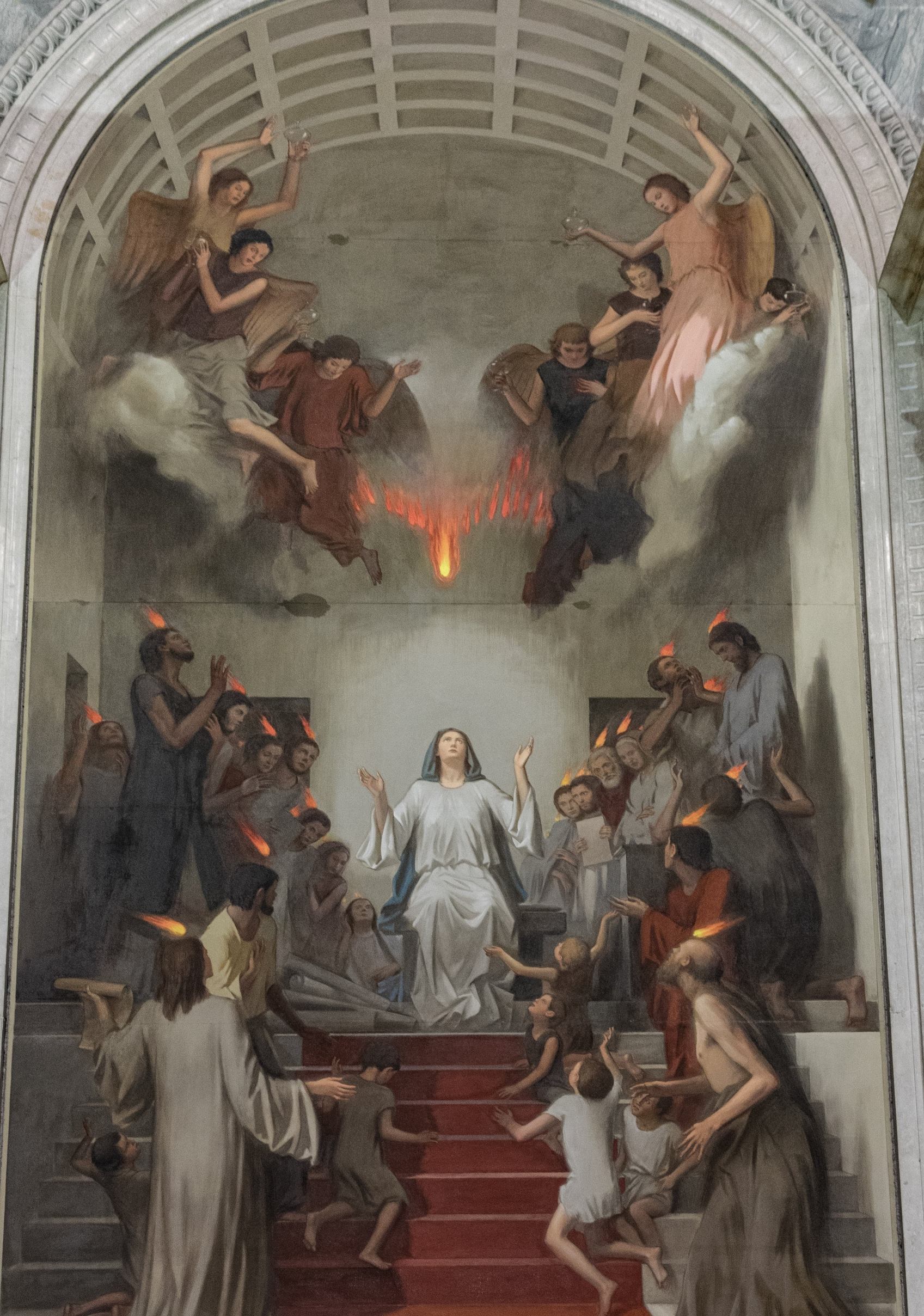
This perspective of hope not only illuminates the present, but also points to the future consummation, connecting the experience of the resurrection with the definitive fulfillment of God’s promises at the end of time. Luke emphasizes the action of the Holy Spirit as guide and sustainer of the Church’s mission, reinforcing the collective hope in the expansion of the Kingdom of God.
Recommended reading: Spe Salvi (Benedict XVI), encyclical on Christian hope.
Deepen your studies: explore Mariology, Marian Theology, Marian apparitions and the Postgraduate Program in Mariology.
Conclusion
The Synoptic tradition of the New Testament articulates hope in a multifaceted way, integrating the tension between the “already” and the “not yet” of the promises of salvation. In the teachings of Jesus and in the practices of the post-paschal community, hope is manifested as a vigilant and patient trust in the Kingdom of God. This hope not only motivates perseverance in the face of adversity, but also shapes the Christian community’s vision of the future, rooted in Christ’s resurrection and in the expectation of His second coming.
The Locus Mariologicus Institute is the world’s academic reference in Mariology. Explore our resources on Marian Theology, Marian apparitions and the Postgraduate Program in Mariology.
To deepen the theology of Marian hope, see the Encyclical Redemptoris Mater by Pope John Paul II.
Postgraduate Program in Mariology
Would you like to deepen your formation in Mariology? Discover the Postgraduate Program in Mariology of Locus Mariologicus – an academic formation that unites theological rigor, spiritual life and the living tradition of the Church.





Responses