Our hearts were burning: Acts 2, 1 Pet 1, and the disciples of Emmaus in Lk 24
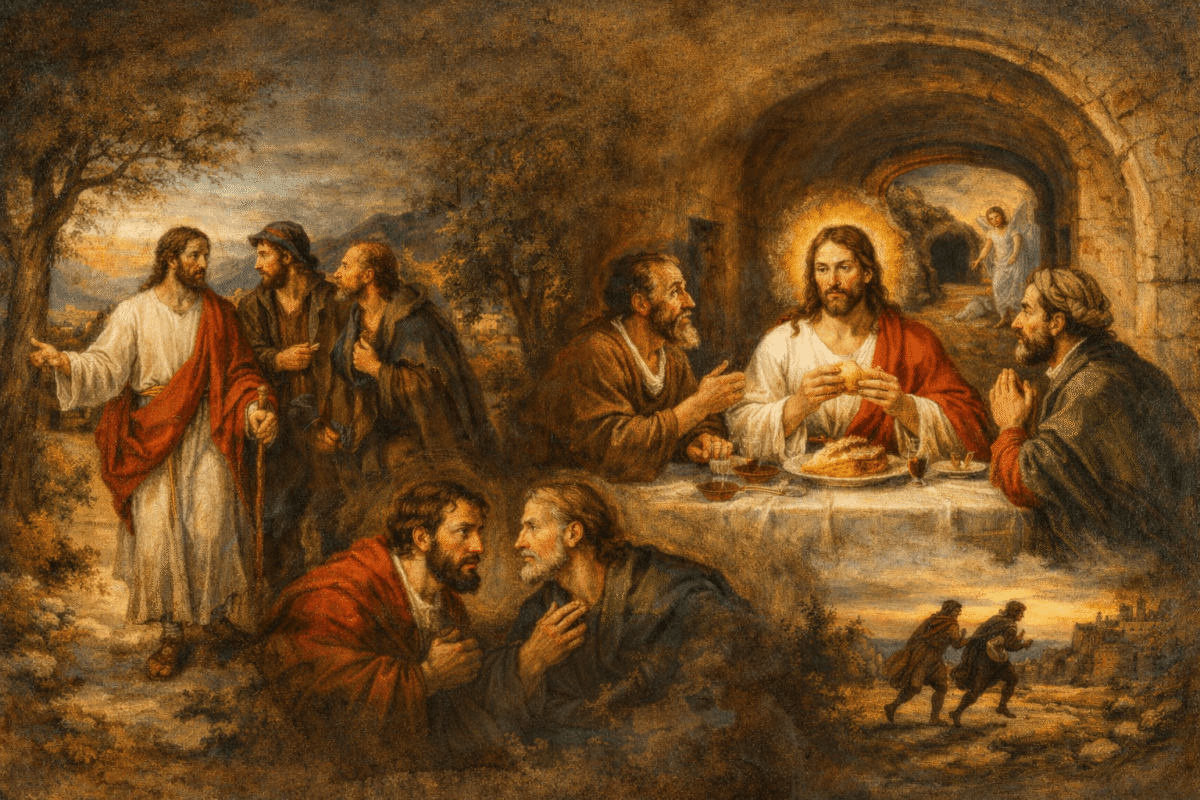
Nonne cor nostrum ardens erat in nobis, dum loqueretur in via et aperiret nobis Scripturas?
Lk 24:32
Our hearts were burning when Jesus, on the road to Emmaus, opened the Scriptures to us. The Third Sunday of Easter of Year A brings together three texts around the recognition of the Risen Lord. Acts 2:14, 22-33 presents Peter on the day of Pentecost bearing witness that God raised up Jesus of Nazareth, thus confirming David’s prophecy about the Holy One who would not see corruption. 1 Pet 1:17-21 speaks of the precious ransom by the blood of Christ, the spotless lamb, and of the resurrection that founded the faith and the hope of the faithful. Lk 24:13-35 recounts the encounter on the road to Emmaus: two disciples walk with Jesus without recognizing Him, their eyes are opened in the breaking of the bread, and the Risen Lord vanishes. The three texts describe the same process: the Risen Lord who reveals Himself progressively, through the Word and through the bread, to disciples who did not yet know how to recognize Him.
I. The First Reading: Acts 2:14, 22-33
On the day of Pentecost, Peter stands up with the Eleven and addresses the crowd. The discourse is a scriptural argument about the resurrection: “Jesus of Nazareth was a man approved by God before you, by the miracles, wonders, and signs that God worked through Him” (Acts 2:22). Crucified according to the plans of God and by the hands of lawless men, He was raised up by God, “because it was impossible that death should hold Him” (v. 24). Peter cites Ps 16:8-11: David prophesied that his descendant would not see the corruption of the tomb. “God raised up this Jesus, and of that we are all witnesses” (v. 32). Peter’s discourse at Pentecost is the model of all Christian preaching: it makes the connection between the Scripture of Israel and the historical fact of the resurrection, and it founds faith upon the testimony of those who saw.
II. The Second Reading: 1 Pet 1:17-21
“If you invoke as Father the One who judges each one without partiality according to his works, conduct yourselves with fear during the time of your exile” (1 Pet 1:17). Christian life unfolds in exile: the definitive home has not yet come. But the ransom has already taken place: “You were ransomed from your futile way of life, inherited from your fathers, not with corruptible things such as silver or gold, but with the precious blood of Christ, as of a lamb without blemish or spot” (vv. 18-19). Christ was predestined before the creation of the world and manifested in the last times for love of you (v. 20). “God raised Him from the dead and gave Him glory, so that your faith and hope may be in God” (v. 21). The resurrection is the foundation of hope, not as a psychological projection but as a fact in which God revealed what He will do with all His own.
III. Evangelium: Lk 24:13-35
On the same day of the resurrection, two disciples are walking to Emmaus, about eleven kilometers from Jerusalem. Jesus draws near and walks with them, but their eyes were kept from recognizing Him. Jesus asks what they are talking about. Cleopas answers with surprise: “Are you the only pilgrim in Jerusalem who does not know what has happened there in these days?” (Lk 24:18). They explain everything: the mighty prophet, the condemnation, the death, the frustrated hope, the women who went to the tomb and saw a vision of angels. Jesus answers: “O men without understanding and slow of heart to believe in all that the prophets said! Was it not necessary that the Christ should suffer these things and so enter into His glory?” (vv. 25-26). And beginning with Moses and all the prophets, He explained to them what in the Scriptures referred to Him. When they reached Emmaus, they invited Him to stay. At table, He took the bread, blessed it, broke it, and gave it to them. Their eyes were opened and they recognized Him: He vanished. They said to one another: “Were not our hearts burning while He spoke to us along the way and explained the Scriptures to us?” (v. 32). They got up immediately, returned to Jerusalem, and told everything.
IV. Mary and the Road to Emmaus
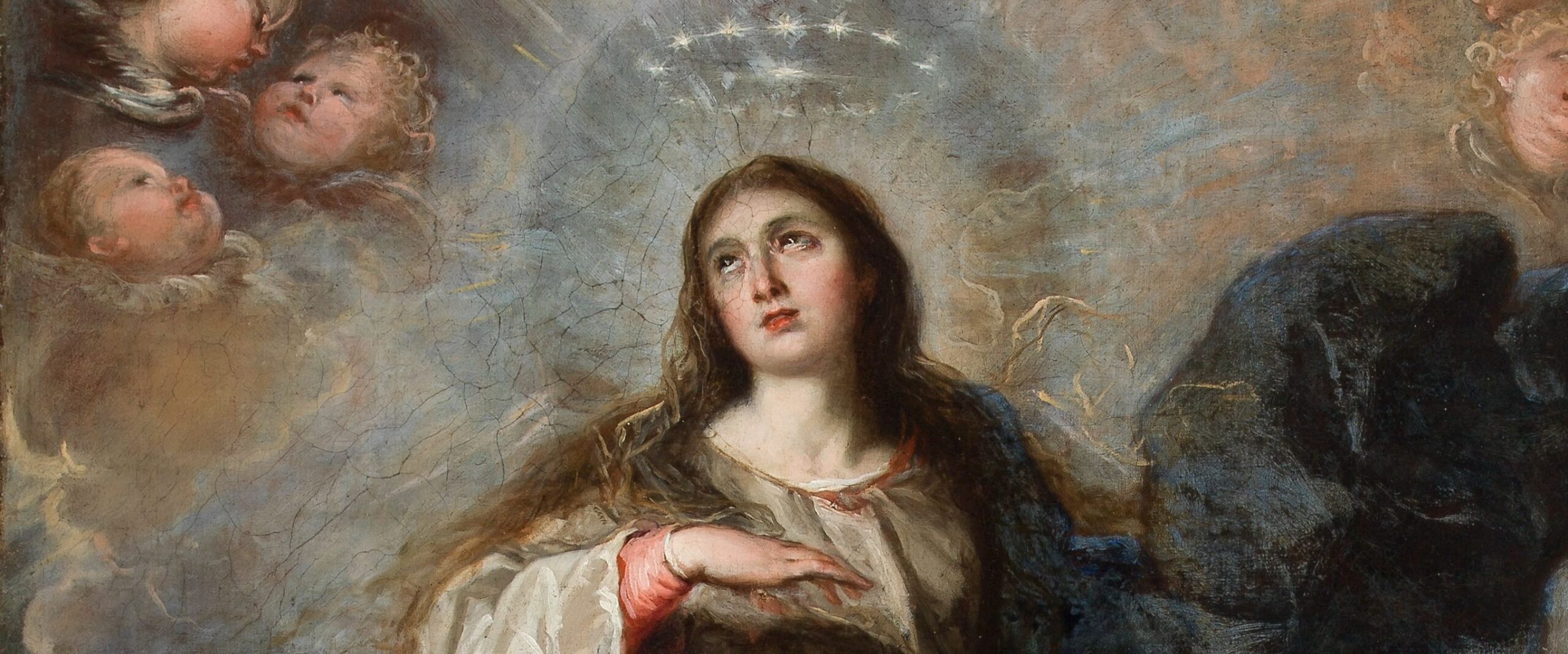
Acts 2 cites Ps 16, saying that the Holy One would not see the corruption of the tomb: Mary, in the Assumption, shared in this grace in a singular way, for the Church believes that her body was preserved from corruption and raised to glory in the likeness of her risen Son. 1 Pet 1 presents Christ as a lamb without blemish or spot: Mary is the Mother of the Lamb, and she herself, by the grace of the Immaculate Conception, is the human creature who came closest to the spotlessness that Leviticus required for sacrifice. The encounter at Emmaus has two stages: the Word explained along the way and the bread broken at table. Mary lived these two stages in an eminent way: she received the Word of God at the Annunciation and “kept all these things, pondering them in her heart” (Lk 2:19), and she broke bread with her Son for thirty years at the table of Nazareth before any apostle took part in the breaking of the bread. The disciples of Emmaus did not recognize Jesus along the way because their eyes were kept from it. Mary’s eyes were never kept from it: she always recognized Him, from the fiat onward, as the Son of God and her own Son. The heart that was burning in the disciples of Emmaus had been burning in Mary for thirty-three years.
Postgraduate Program in Mariology
Would you like to deepen your formation in Mariology? Discover the Postgraduate Program in Mariology of Locus Mariologicus, an academic formation that unites theological rigor, spiritual life, and the living tradition of the Church.




Responses