Wind and Fire: Acts 2, 1 Cor 12, and the Gift of the Spirit in Jn 20, Pentecost
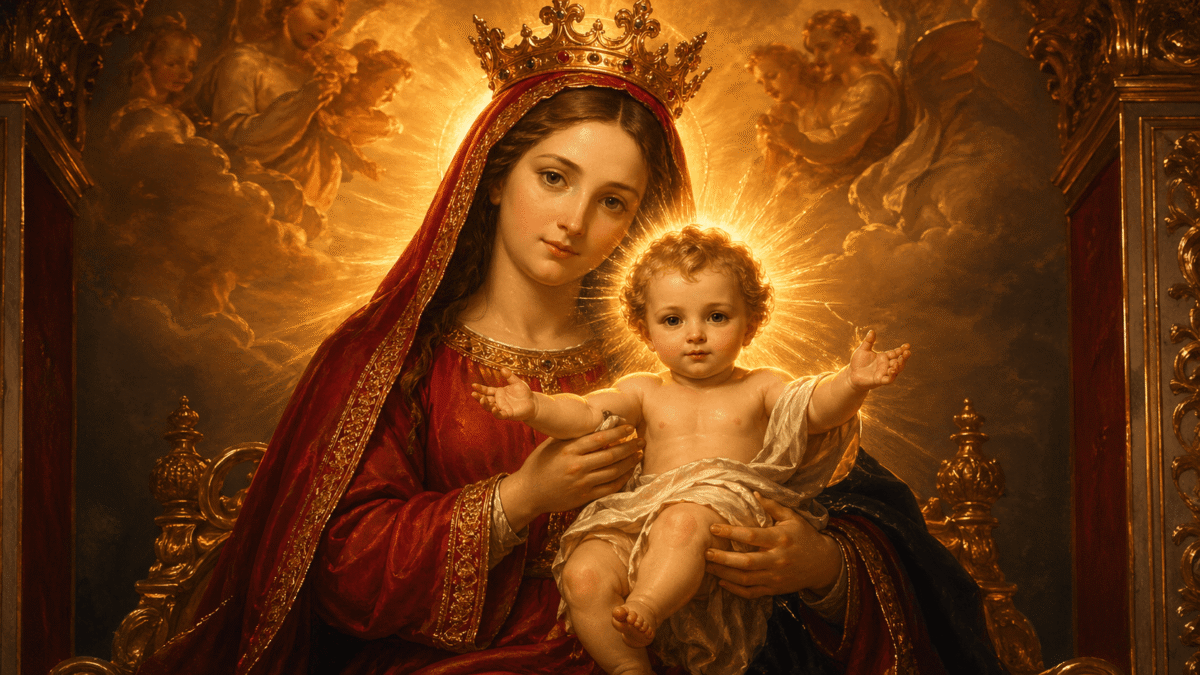
Accipite Spiritum Sanctum: quorum remiseritis peccata, remittuntur eis.
Jn 20:22-23
Wind and fire: Pentecost Sunday, fifty days after Easter, celebrates the gift of the Holy Spirit who brought to completion the redemptive work of Christ and set in motion the universal mission of the Church. Acts 2:1-11 recounts the event of Pentecost: the mighty wind, the tongues of fire, the speaking in tongues that everyone understands. 1 Cor 12:3b-7, 12-13 sets forth the theology of the Spirit: one single Spirit who distributes different gifts to each member of the one body. Jn 20:19-23 relates the gift of the Spirit on the night of Easter: Jesus breathes upon the disciples and sends them out for the forgiveness of sins. The three texts describe the same gift from different angles: the historical event, the theological structure, and the paschal foundation.
I. Wind and Fire: The First Reading (Acts 2:1-11)
On the day of Pentecost they were all gathered together in the same place. “Suddenly there came from heaven a sound like that of a mighty wind, and it filled the whole house where they were. And they saw what seemed to be tongues of fire, which parted and came to rest upon each one of them. They were all filled with the Holy Spirit and began to speak in different tongues, as the Spirit gave them to speak” (Acts 2:2-4). In Jerusalem there were devout Jews from every nation. They heard the disciples, and each one recognized his own language. “We hear them proclaiming the wonderful works of God in our own tongues” (v. 11). Luke’s Pentecost is the reversal of Babel: where the confusion of tongues scattered the peoples, the Spirit gathers them in a common hearing of the wonderful works of God. The universal mission of the Church begins here, in a unity that does not efface diversity but transcends it.
II. Wind and Fire: The Second Reading (1 Cor 12:3b-7, 12-13)
“No one can say ‘Jesus is Lord’ except by the Holy Spirit” (1 Cor 12:3b). The simplest confession of faith is already the work of the Spirit. Paul unfolds the theology of the Spirit: “There are varieties of gifts, but the same Spirit. Varieties of ministries, but the same Lord. Varieties of workings, but the same God who works all things in all” (vv. 4-6). To each one is given the manifestation of the Spirit for the common good (v. 7). The image of the body: “As the body is one and has many members, and all the members of the body, though many, are one body, so it is also with Christ” (v. 12). “For in one Spirit we were all baptized into one body” (v. 13). Pentecost is not uniformity: it is diversity unified by the one Spirit. The “wind and fire” of Acts 2 is manifested in 1 Cor 12 as charismatic diversity gathered into unity.
III. Wind and Fire: The Gospel (Jn 20:19-23)
On the evening of Easter Sunday, Jesus appears to the disciples behind closed doors. “Peace be with you” (Jn 20:19). He shows them his hands and his side. The disciples are filled with joy. Jesus says again, “Peace be with you,” and adds: “As the Father has sent me, so I send you” (v. 21). And breathing upon them he said: “Receive the Holy Spirit. Whose sins you forgive, they are forgiven them. Whose sins you retain, they are retained” (vv. 22-23). John places the gift of the Spirit on the night of Easter, not at Pentecost. For John there is no gap between the resurrection and the gift of the Spirit: they are the same saving act. The breath of Jesus evokes Gen 2:7, when God breathed the breath of life into Adam’s nostrils. Jesus re-creates humanity by the breath of the Spirit and sends it out for the mission of forgiveness. What in Luke is “wind and fire” is in John a silent breath: the same Spirit under distinct signs.
IV. Wind and Fire: Mary and the Pentecost of the Church
Acts 2 describes the Spirit descending upon those who were gathered in the Upper Room: Mary was among them, the first named among the women (Acts 1:14). The Spirit who came as wind and fire at Pentecost is the same Spirit who had overshadowed Mary at the Annunciation: Pentecost is for the Church what the Annunciation was for Mary. As at the Annunciation the Spirit formed the Son in the womb of Mary, so at Pentecost the Spirit forms the Body of Christ, the Church, in the womb of the Upper Room where Mary presides. 1 Cor 12 speaks of members of the body with different gifts: Mary is the member who received the highest gift of all, to be the Mother of the head of the body, and she is for that reason the member closest to Christ. Jn 20 shows Jesus breathing the Spirit as God breathed upon the dust in Gen 2: Mary is the creature upon whom the breath of the Spirit first acted in a full way, bringing forth the new creation. At Pentecost, Mary does not receive the Spirit for the first time: she presides over the gift that she herself had received first, like a mother who introduces her children into the inheritance that was already hers. The “wind and fire” of Pentecost finds in her praying presence the heart of the nascent Church.
Postgraduate Program in Mariology
Would you like to deepen your formation in Mariology? Discover the Postgraduate Program in Mariology of Locus Mariologicus — an academic formation that unites theological rigor, spiritual life, and the living tradition of the Church.
Would you like to study Mariology seriously?
This article grows out of the works in the Locus Mariologicus library. The Postgraduate Program in Mariology takes you to the same source, with academic guidance: Scripture, the Fathers of the Church, and the Magisterium, from the first dogma to contemporary questions.





Responses