Symbolic character of Marian iconography in the third and fourth centuries

Symbolic character of Marian iconography in the third and fourth centuries
The brief glance cast over the Marian iconographic sources helps us to understand better how, in the eyes of the viewers of that time, in a way certainly more immediate than our own, one must in fact go back, through the historical-cultural investigation of the image, to its meaning. The compositions in which the Virgin appeared always had a symbolic character: Mary’s posture in the Nativity,
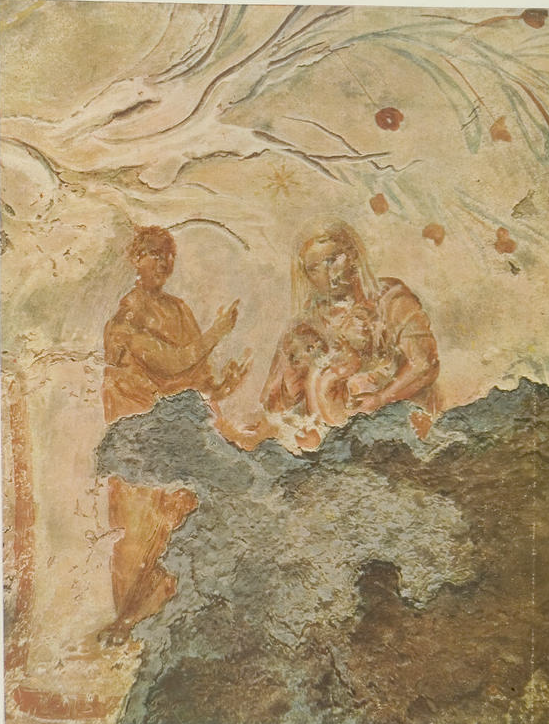
the choice of an environmental setting made up of furnishings and garments that do not correspond to the historical ones, the shift to a frontal and symmetrical arrangement, the signs of the theophanic apparition and of the divine royalty typical of the epiphanic lexicon, constituted a set of symbolic indications that conveyed an unequivocal message about the eminent dignity of that Mother-Son group.
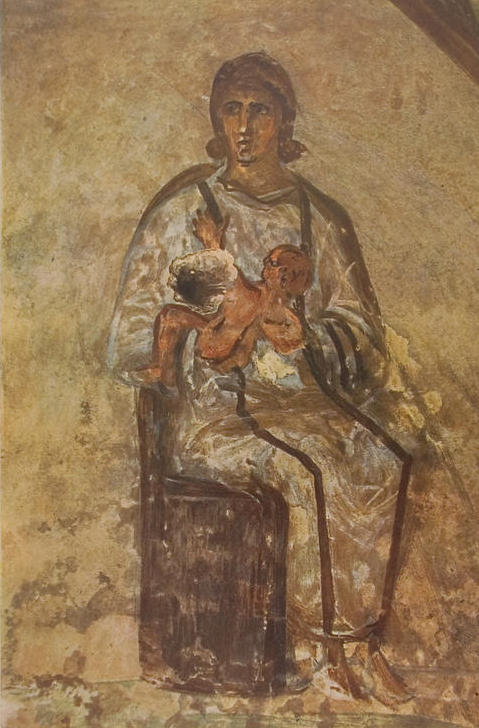
What made the scene symbolic was not so much a global symbolic language, a new aesthetic, whose elaboration in accordance with the Christian conception of the world could only require a long period of time, but the iconographic scheme chosen by the makers and patrons within it, the vast existing patrimony, as well as the deliberate variations introduced into it.
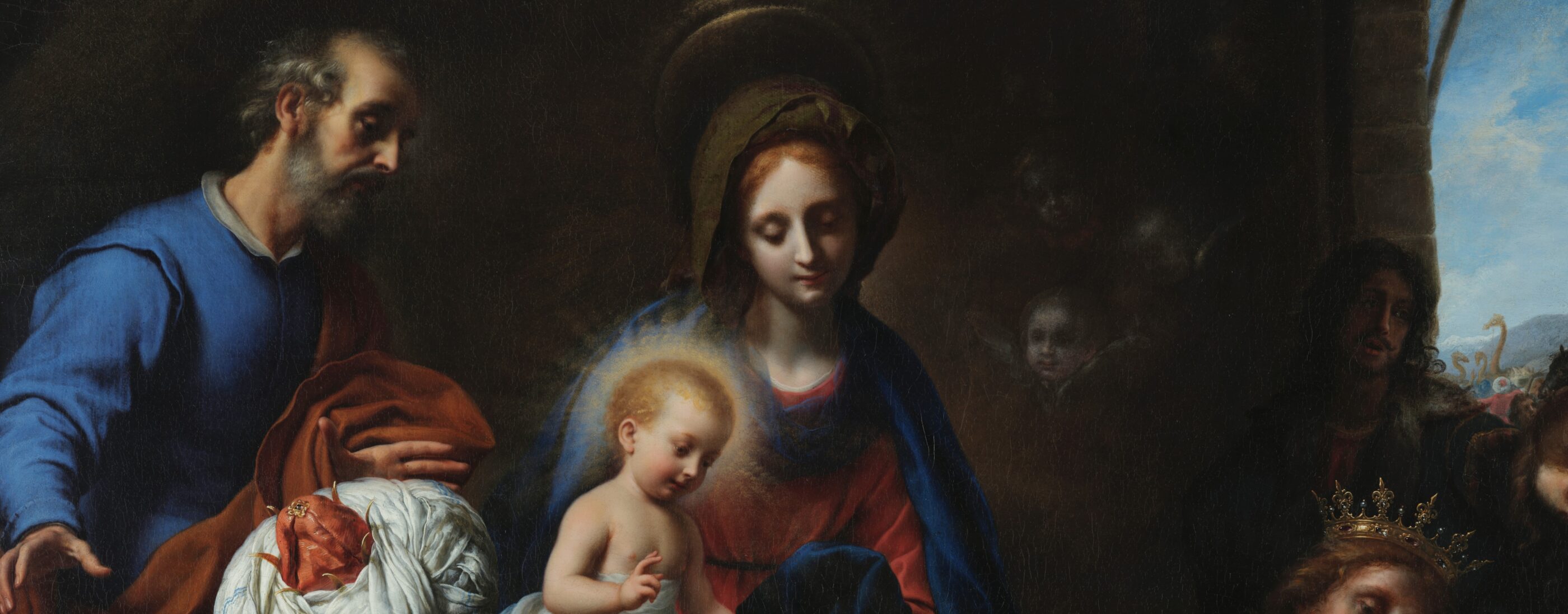
To this symbolic message bound to the compositional structure of the scene and to its environmental setting there was added another equally important one which, however, consisting in an absence, often goes unnoticed: absent is the indication, through expression or posture, glances and gestures of tenderness, of an affective relationship between Mother and Son.
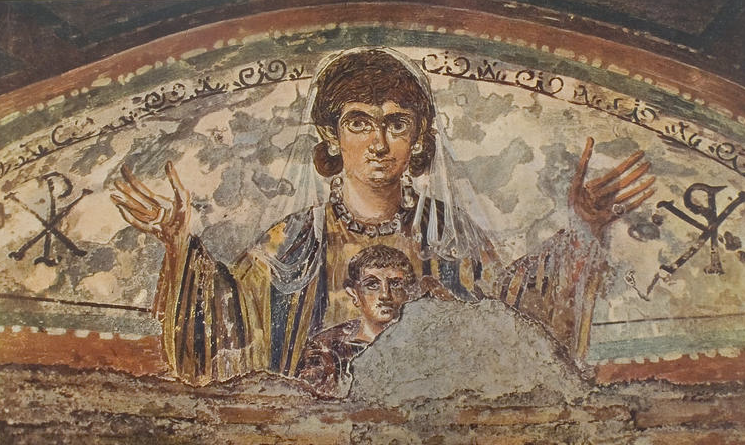
The Child does not look at the Mother, nor does He draw near to her. This will happen only several centuries later. Mary, in the Nativity, does not even look at the Newborn because she is meditating.
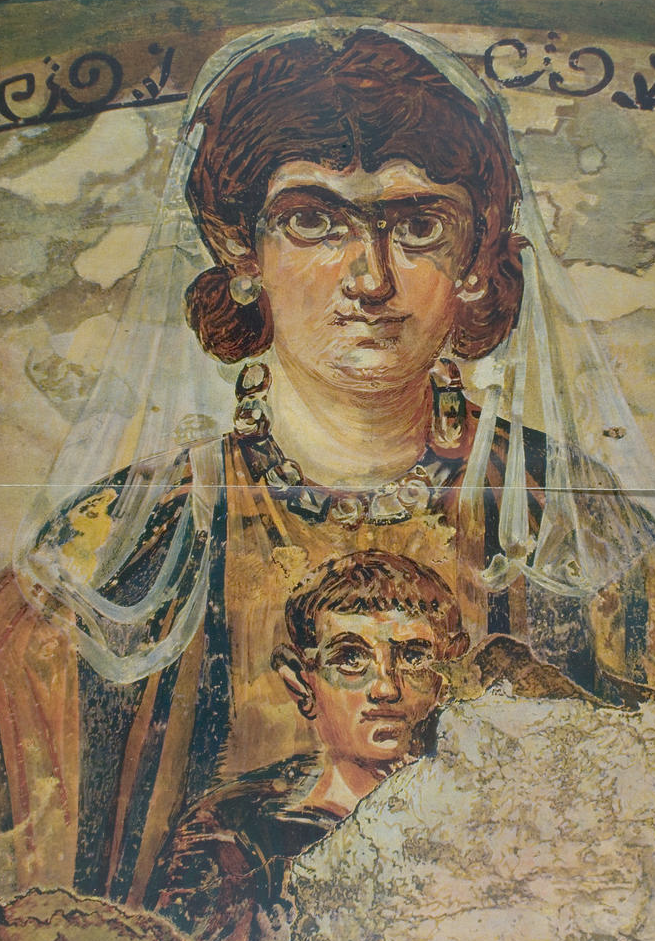
Or in the scene of the Magi she simply presents Him for their adoration or points to Him as Lord in the Ascension and Glorification.
The indication of the affective relationship between Mother and Son appears only in the eighth-ninth century with the iconographic type known today as the Virgin of Tenderness, in which the Child rests His head against His Mother’s face and looks at her.
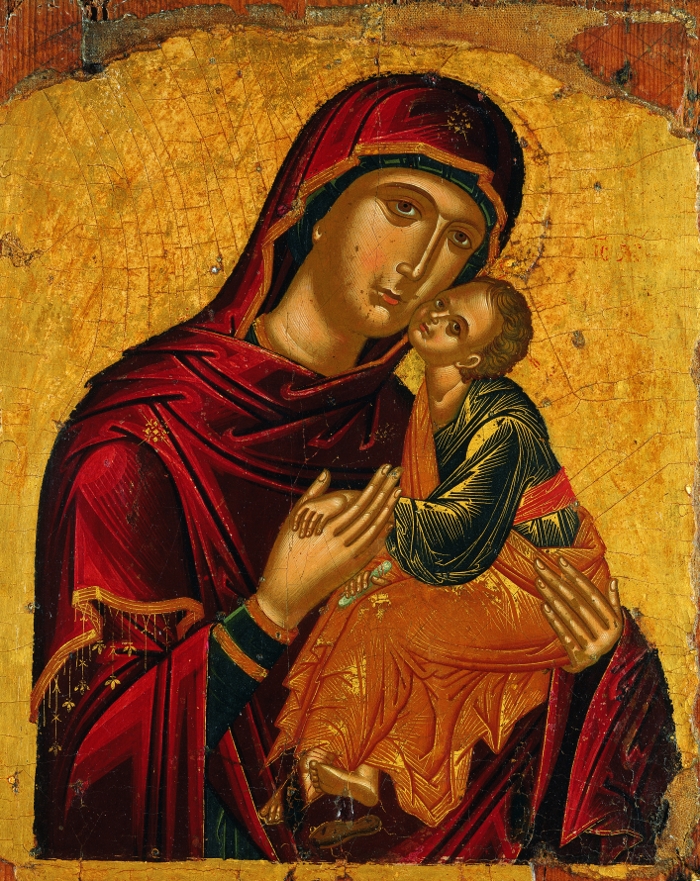
(Virgin Eleusa).
This silence of the affections makes it possible to achieve a twofold purpose: to direct all attention to the figure of the Child (in the case of the Nativity or of the Adoration of the Magi) or to that of Christ the Lord (in the case of the Ascension-Glorification), presenting the figure of the Virgin Mother as subordinate to it. To withdraw the representation from a context of everyday family life, sentimental, so that it becomes clear that its content is not narrative, but doctrinal: the presence of the Virgin Mary serves to speak of the mystery of the incarnation of the Word of God, of His virginal birth, of the total acceptance that made it possible, of the recognition by men of His divine glory, of the role of witness and intercession exercised by the Mother in the Church.
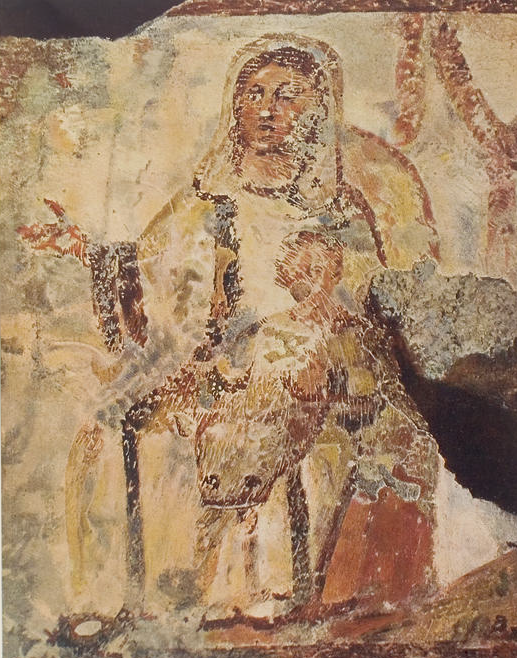
The study of the Marian iconography of the third and fourth centuries makes it possible to highlight, on the one hand, the presence, at a more or less perfected stage of development, of the principal Marian iconographic types.
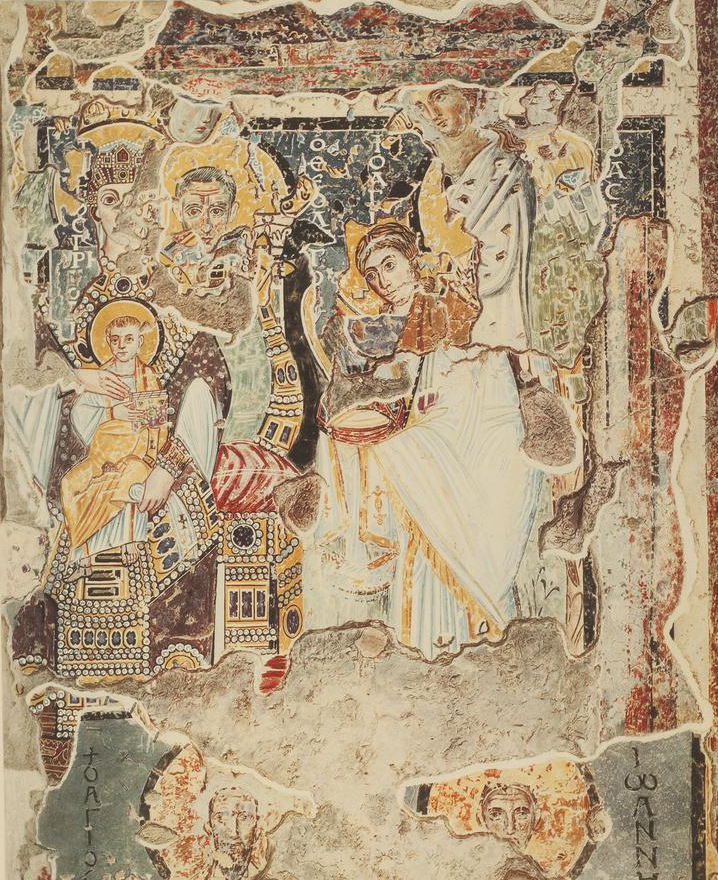
On the other, the doctrinal content expressed in symbolic form that characterizes them. In this way, there is also the unity of inspiration of Marian iconography, for which the definition of Ephesus in AD 431 of Mary as Theotokos
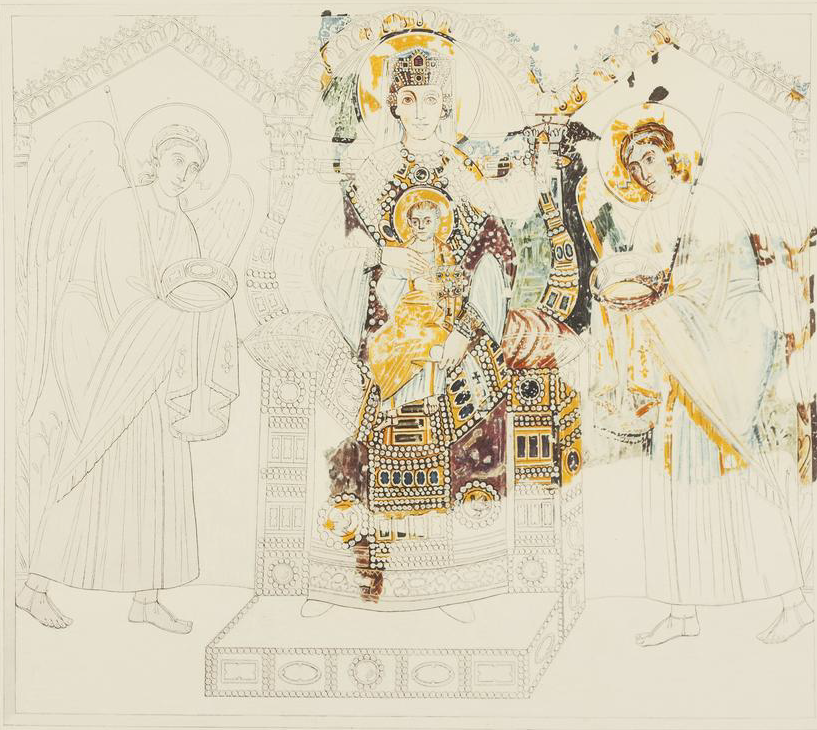
does not constitute a watershed of content, but only an incentive to the flourishing of architectural and figurative monuments, in full analogy with what happens for the literary monuments of the same period.
To deepen the reflection on the symbolic character of Marian iconography and its meaning for the faith, consult the apostolic exhortation Marialis Cultus by Paul VI, which guides the authenticity of Marian artistic and devotional expressions.
Deepen your studies: explore Mariology, Marian Theology, Marian apparitions and the Postgraduate Program in Mariology.
Postgraduate Program in Mariology
Would you like to deepen your formation in Mariology? Discover the Postgraduate Program in Mariology of Locus Mariologicus, an academic formation that unites theological rigor, spiritual life and the living tradition of the Church.
Discover the oldest Marian image in the Catacomb of Priscilla.
Would you like to study Mariology seriously?
This article is born from the works in the library of Locus Mariologicus. The Postgraduate Program in Mariology takes you to the same source, with academic guidance: Scripture, the Fathers of the Church and the Magisterium, from the first dogma to contemporary questions.




Responses