Maternal and Divine Joy: Reflections on Happiness Through Mary

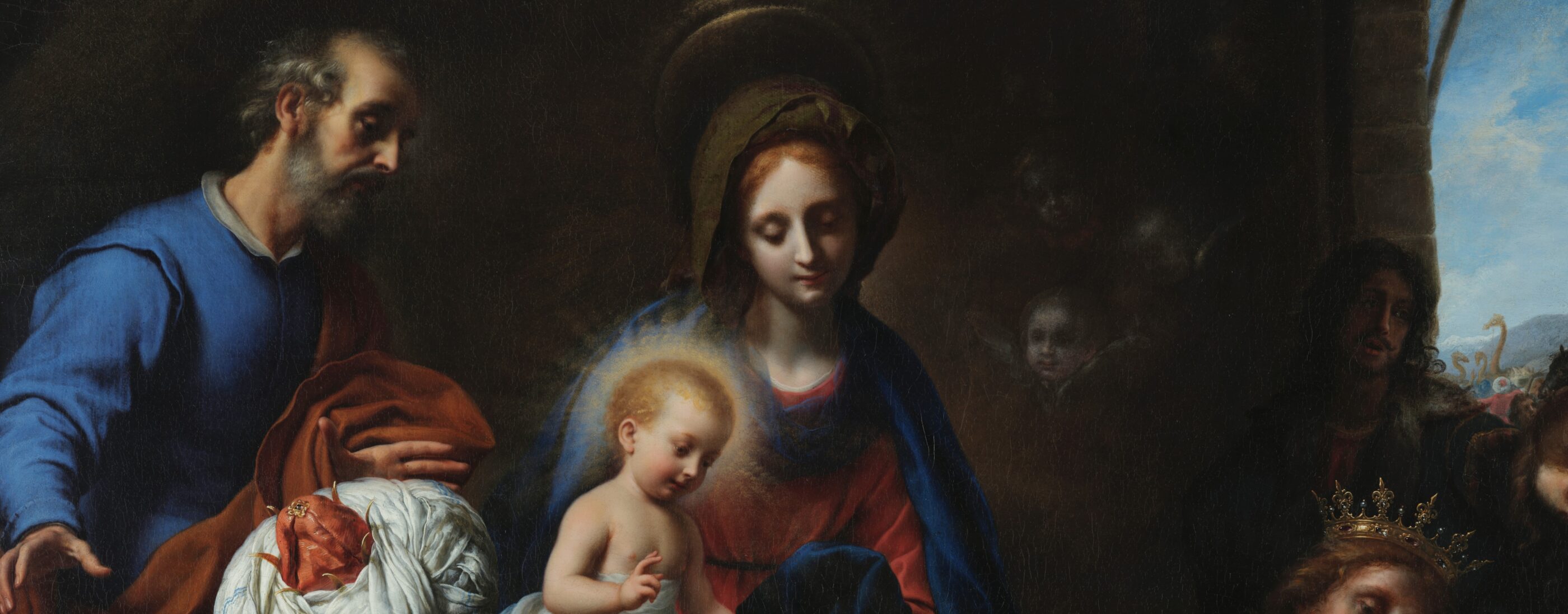
In the heart of an elementary school student, we find a simple yet profound truth: “The most beautiful thing in the world is my mother’s smile”. This statement, as innocent as it is wise, could well be signed by God as He reflects on His Mother, Mary. God, in His infinite wisdom and love, chose Mary as a luminous refuge of His fatherly benevolence for humanity, marked by a long history of sin and death.
In the Bible, we witness the “lament of God” over human sin. In Gen 6:6, we read that “The Lord repented of having made man on the earth, and it grieved Him in His heart”, an echo of the divine disappointment. However, in His merciful love, God seeks to free humanity from evil. He offers an unmistakable sign of His plan of love: “Behold, the virgin shall conceive and bear a son, and he shall be called Emmanuel” (Is 7:14). This sign is fulfilled with the angel’s announcement to Mary: “Rejoice, full of grace! The Lord is with you”! (Lk 1:28-29). In Mary is born the dawn of a new humanity, bringing back the “smile of God”.
Mary, the Source of Joy
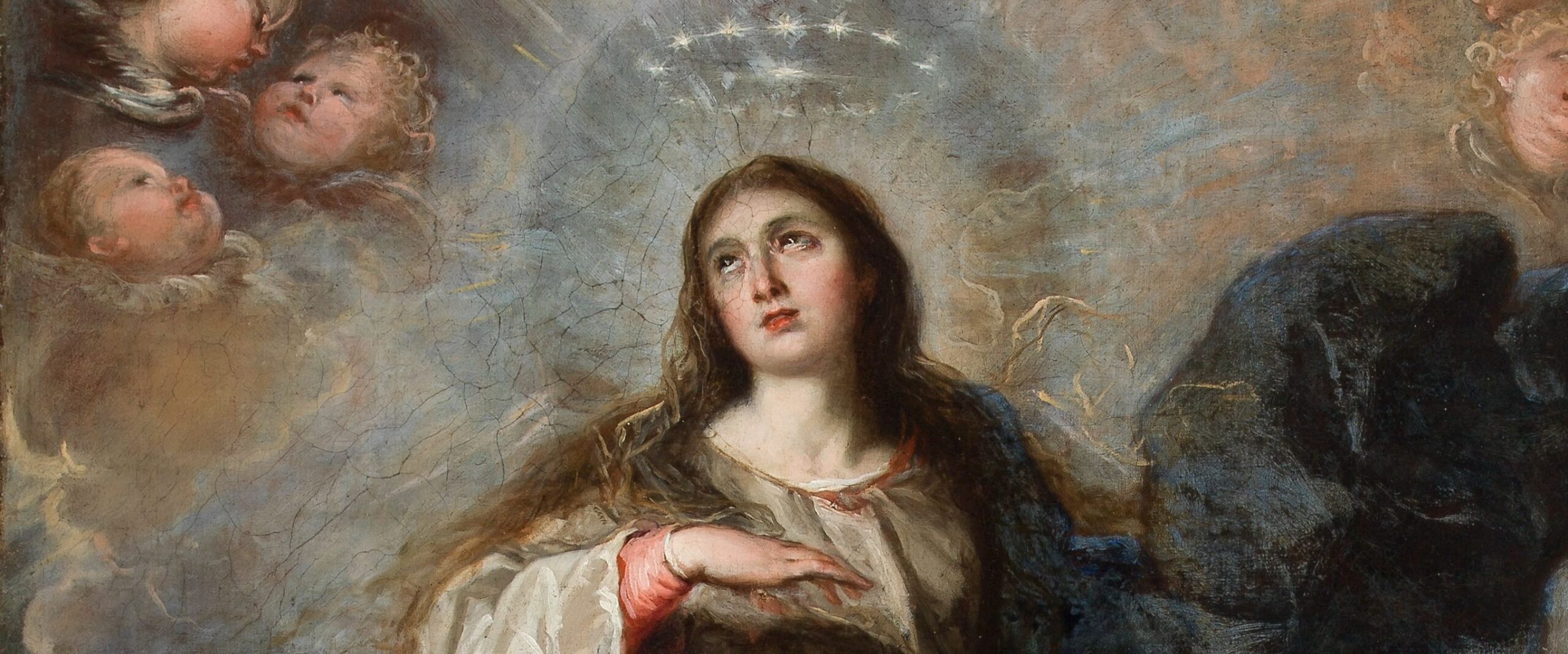
Christians, and especially the saints, have always recognized Mary as the source of joy. In the liturgy, she is celebrated as “the cause of our joy”, the “joy of Israel”, symbolizing God’s renewal of the world. This is evident in the way Christians throughout the world celebrate the Marian feasts and visit her shrines. Mary is Immaculate, wholly given over to God, the source of eternal happiness. Her joy deepens still further because she is the worthy Mother of the Son of God, who “came so that we might have joy, and have it in abundance” (Jn 15:11). Her “yes” makes her the Mother of the Savior, and she expresses this incomparable joy in the Magnificat: “My soul magnifies the Lord, and my spirit rejoices in God my Savior” (Lk 1:46-55). Thus Mary, even before the troubling words of Simeon in the temple, remains a happy mother, witnessing Jesus grow “in wisdom, stature, and grace before God and men” (Lk 2:40).
Joy in the Midst of Sorrow
Joy and sorrow are generally seen as opposites, but not in the heart of a mother, and especially not in the heart of Mary. She finds joy in the will of God, both for herself and for Jesus and for the children (the Church) entrusted to her on the cross. Consider the popular devotion to the “seven sorrows of Mary”, which correspond to the “seven joys of Mary”, from the Annunciation to her Assumption. This fusion of joy and sorrow is seen in the Nativity at Bethlehem, in the Presentation of Jesus in the temple, in the flight into Egypt, in the finding of Jesus in the temple, in the adversities and triumphs of Jesus, and finally, in His Passion, Death, and Resurrection.
With the Alleluia in the Heart
The Resurrection of Jesus was an explosion of joy for those who believed in Him. Although the Gospels do not report a meeting between the Risen One and His Mother, it is reasonable to believe that Mary, full of faith, did not need apparitions to confirm the Resurrection. Saint John Paul II reflected on this on May 22, 1997, suggesting that Mary was the first to receive the news of the Resurrection. Thus, the first Alleluia of Easter echoed in the heart of Mary, mother of the Risen One.
Mary: Maternal Help and Comfort
From the trial of the Passion to the Ascension of Jesus, it is Mary who offers consolation and encouragement to the disciples, remaining united to Christ in faith and in hope. Down the centuries, Mary has been a pillar of support for the disciples of Jesus, strengthening the faith that saves and the hope that does not disappoint.
Living as She Did
Mary is the supreme example for all Christians, who are called to imitate “our mother in faith”. Following Mary, we learn to transform sorrow into love, to find joy in the divine will, and to be sources of joy and consolation for others. Mary teaches us to look beyond ourselves, as she did at the visit to Elizabeth and at the wedding at Cana.
With Her, We Learn to Be Happy
From Mary we learn to have serene faith and confident hope, even in difficulties. Imitating the “Mother of joy”, we learn to value others and to find joy in loving service, remembering the words of Saint Francis of Assisi: “It is in giving that we receive”. In the divine will we find our joy and our peace.
Mary, Image of Joy and Eternal Hope
In reflecting on Mary’s singular role in the history of salvation and in the life of the Church, the reader arrives at a deeper understanding of her importance as a source of joy and consolation. Mary, the Mother of Jesus and our spiritual mother, emerges as an icon of hope and joy, not only in times of peace and happiness, but also in moments of trial and suffering.
Mary’s life shows that true joy is not the absence of sorrow, but the presence of love and faith. Her ability to find joy in the will of God, even when that will led her along a path of sorrow and sacrifice, offers a model of faith and trust that all of us, as Christians, are called to follow. Mary’s smile, mentioned by an elementary school student as “the most beautiful thing in the world”, reflects the joy that transcends earthly circumstances, anchored in the divine promise and in the constant presence of God.
Moreover, Mary teaches us the value of transforming our trials into opportunities for spiritual growth and for deepening our trust in God. Her life is a testimony that true and lasting joy is found in total surrender to the divine will and in loving service to others.
As we contemplate Mary as the “Mother of joy” and the “Consoler of the afflicted”, we are inspired to live our own lives with a renewed faith and a spirit of genuine joy. She encourages us to embrace life with courage, trust, and love, whatever the challenges we may face.
Therefore, when we look to Mary, we see the manifestation of the joy of God, a joy that is not fleeting or superficial, but deep, transforming, and eternal. She is the luminous sign of hope for the world, a constant reminder that, even in the darkest shadows, the light of God’s love always prevails. In Mary we find not only a mother and intercessor, but also a constant companion on our journey of faith, guiding us ever closer to the loving heart of her Son, Jesus Christ.
The joy that Mary radiates is the fruit of her total openness to God. The encyclical Redemptoris Mater of Pope John Paul II contemplates this joyful and maternal dimension of Mary in the history of salvation. Read the document at Redemptoris Mater (John Paul II).
Deepen your studies: explore Mariology, Marian Theology, Marian apparitions, and the Postgraduate Program in Mariology.
Postgraduate Program in Mariology
Would you like to deepen your formation in Mariology? Discover the Postgraduate Program in Mariology of Locus Mariologicus – an academic formation that unites theological rigor, spiritual life, and the living tradition of the Church.
Would you like to study Mariology seriously?
This article is born of the works in the library of Locus Mariologicus. The Postgraduate Program in Mariology takes you to the same source, with academic guidance: Scripture, the Fathers of the Church, and the Magisterium, from the first dogma to contemporary questions.



Responses