What has been given to you: the mystery of the kingdom and Mary who kept it in her heart
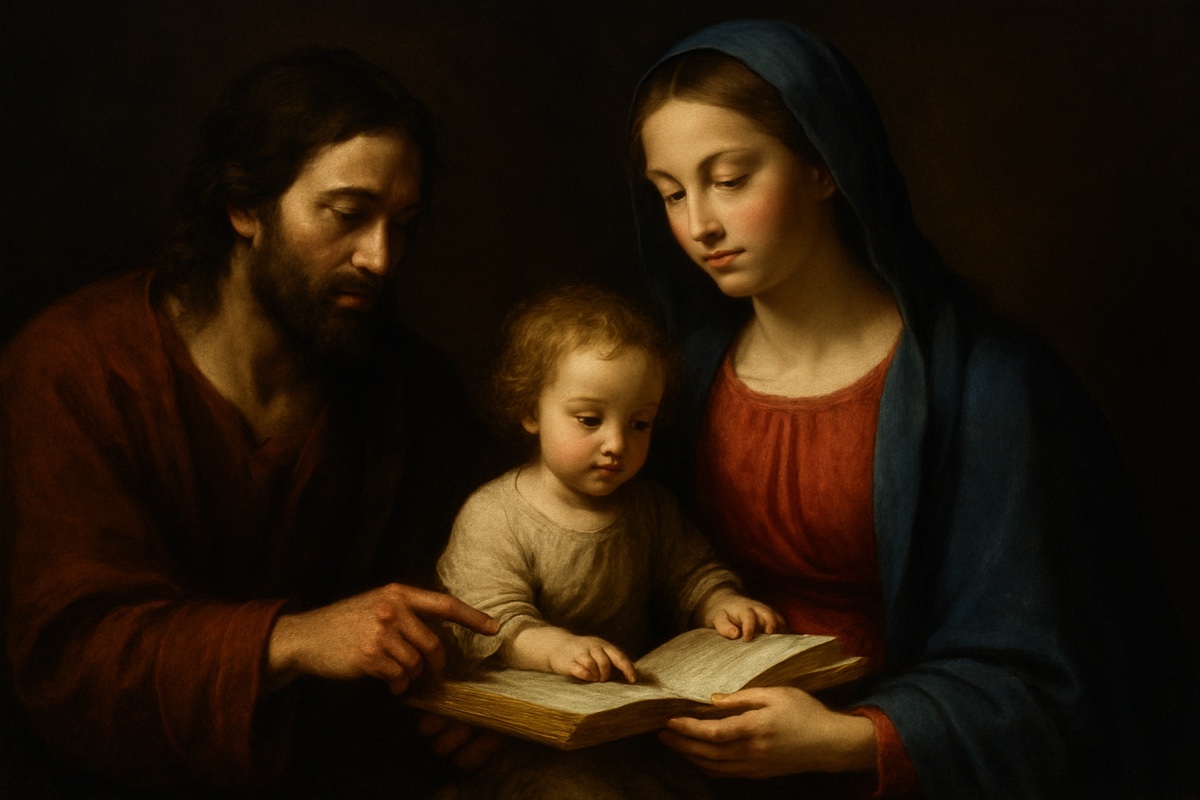
Quote:> “Because to you the mysteries of the kingdom of heaven have been given, but not to them.” (Matthew 13:11)Reflection on Matthew 13:10-17:Jesus’ reflection on His parables—a meta-discursive moment where His disciples inquire about the use of parables—unveils a dual approach. He explains that while His disciples have been given the understanding of the mysteries of the Kingdom (Matthew 13:11), others have not. This dichotomy influences how parables operate for each group: those with understanding are granted more, while those without are stripped of what they have (Matthew 13:12). The paradoxical logic of parables reflects grace: it’s not neutral; it demands a disposition of the heart.Isaiah’s Prophecy and Parable Understanding:Jesus’ reference to Isaiah 6:9-10 (“You hear but do not understand, you see but do not perceive”) (Matthew 13:14-15) highlights the continuity between prophetic blindness and the inability of parable listeners to comprehend. This isn’t divine determinism but a result of heart hardness that hinders understanding. True comprehension requires conversion of the heart, which is not automatic.I. “To You It Has Been Given”: Grace of Understanding“It has been given to you to know the mysteries of the kingdom of heaven” (Matthew 13:11) signifies a passive divine gift—God bestows the ability to grasp Kingdom secrets. This gift isn’t arbitrary but tied to disciples’ heart disposition, demonstrated by their willingness to leave everything to follow Jesus (Matthew 4:20, 22; 19:27). The capacity to understand parables isn’t superior intellect but heart openness resulting from following Him.Abundance Principle:“To those who have more will be given, and as for those who do not have, even what they thought they had will be taken away from them” (Matthew 13:12) is a challenging principle. It’s not about divine injustice but spiritual dynamics. Hearts that open to grace grow in their ability to receive it; closed hearts lose natural understanding capabilities. Spiritual “wealth” multiplies through receptivity deepening.Understanding the Mysteries:The “understanding of mysteries” Jesus describes isn’t complete intellectual comprehension but “heart intelligence,” aligning with Old Testament wisdom. Disciples who grasp parables, though not always perfectly (as subsequent Gospels illustrate), possess the right disposition: open hearts, attentive ears, and a desire to follow. This willingness forms the basis for progressive understanding.Mary represents paradigmatically this “understanding of mysteries” that is not intellectual but cardiac: “Mary kept all these things, pondering them in her heart” (Lk 2:19. Cf. 2:51). The verb “kept” (συνετήρει) evokes the careful guarding of a precious treasure. “Pondered” (συμβάλλουσα) implies an active process of “putting together,” relating, comparing, deepening. Mary did not immediately understand everything (cf. Lk 2:50: “they did not comprehend”), but she kept and pondered, the disposition of a heart that progressively receives revelation.
II. “They see and do not see”: the blindness of the heart
“For they see and do not see, and hear and do not listen, and do not understand” (Mt 13:13), the blindness revealed by parables is not sensory or intellectual deficiency but blindness of the heart: the inability to go beyond the surface of a sign to the reality it signifies. The Pharisees and scribes are men of great biblical culture and intellectual capacity, but their intelligence serves preconceived judgment, not openness to the new.“For the heart of this people has become callous” (Mt 13:15, citing Is 6:10), “callousness” (ἐπαχύνθη) is a progressive process: repeated refusal to listen gradually hardens the capacity to hear. A heart that says “no” repeatedly to God’s call loses progressively its sensitivity that would allow it to say “yes.” This logic is the logic of free will in Augustinian theology: human freedom, through repeated exercise of evil, can reduce its own capacity to choose good.The contrast between the “calloused heart” of the generation of Pharisees and the “meditative heart” of Mary is one of the structural contrasts of Luke’s theology: where Mary “keeps and ponders,” religious leaders “see and do not see.” The difference is not intelligence, but disposition: Mary who is available to be surprised, Pharisees who already know what to expect. “What has been given to you” (quia vobis datum est) applies to Mary eminently: she was given to know the Mystery, not just through the words of the angel but through the presence of the Word in her own body.III. Mary and the Divine Reading: Model of Listening to the Mystery
The monastic practice of “divine reading” (lectio divina), the prayerful reading of Scripture that distinguishes “lectio” (slow reading), “meditatio” (repetition and assimilation), “oratio” (responsive prayer), and “contemplatio” (resting in God’s presence), has Mary as its evangelical model. The “kept and pondered in her heart” of Lk 2:19 is a description of divine reading before the concept existed: carefully guarding the Word received, the active process of deepening, the contemplative disposition that results.Mary did not have the written Scripture to “*read*,” but she had the living Word, Jesus himself, to “*meditate in her heart.*” The Mariological tradition used the expression “*Maria’s heart as a sanctuary of the Word*” to describe this dimension: Mary’s heart was the first “*place*” where God’s Word was received, kept, and “*meditated*” in all its depth. This is the root of Mariology as an “*school of listening*”: learning from Mary is not about learning a doctrine but about adopting a disposition, the disposition of the heart that “*keeps and meditates*” rather than judging and discarding.The “*quia vobis datum est*” (What has been given to you) from the parables is, in Marian devotion, an invitation: devotion to Mary, understood as a school of listening to the Word, is the path to progressively receive the gift of understanding the “*mysteries of the Kingdom*.” Not magically, but through the exercise of the same disposition that Mary had: careful keeping, persistent meditation, and availability to be surprised by what is not yet understood. The mystery that Mary “*meditated in her heart*” is the same mystery that the parables conceal and reveal.IV. “Blessed are your eyes”: the dignity of those who saw“*Blessed are your eyes for they see, and your ears for they hear! Truly I say to you, many prophets and righteous men longed to see what you see, but did not see it*” (Mt 13:16-17). The blessing of the disciples who “*saw*” what the prophets desired to see is the blessing of the eschatological generation: the generation that lived in the historical presence of Jesus, who “*saw*” with their bodily eyes what the prophets only saw “*from afar*” (Heb 11:13).This blessing applies to Mary in a unique way: she not only “*saw*” what the prophets desired to see, but she touched, fed, and brought into being what the prophets proclaimed. Her blessing is the highest blessing of nearness: “*Blessed are you who believed that what was spoken to you by the Lord would be fulfilled*” (Lk 1:45, Elizabeth speaking about Mary). Mary’s faith is the faith that “*saw*” the fulfillment of promises before even the apostles did, in the Annunciation at Jesus’ birth, in his presentation in the Temple.“*Many prophets and righteous men longed to see what you see*,” this statement by Jesus about the disciples is, even more so, a declaration about Mary: the patriarchs and prophets who awaited the Messiah precisely desired what Mary received, the concrete presence of God’s Son. The “*blessing of Mary*” proclaimed in the Magnificat (Lk 1:48), “*From this time on all generations will call me blessed*,” has its theological foundation here: Mary is blessed because, by “*giving her*” the gift of knowing the Mystery of the Kingdom in its most concrete form, God fulfilled the desire of every prophet.Graduate Studies in Mariology
Wishing to deepen your formation in Mariology? Discover the Graduate Studies in Mariology from Locus Mariologicus – an academic formation that combines theological rigor, spiritual life, and the living tradition of the Church.
Would you like to study Mariology seriously?
This article draws on the works of the Locus Mariologicus library. The Postgraduate Programme in Mariology takes you to the same sources with academic guidance: Scripture, the Church Fathers and the Magisterium, from the first dogma to contemporary questions.




Responses