Salve Regina, origin, history, and theology of the Marian antiphon
The Hail, Holy Queen (in Latin, Salve Regina) is the most celebrated Marian antiphon of the Western Christian tradition. The Hail, Holy Queen gathers into a single prayer the greeting, the confession of human misery, and the appeal to maternal intercession. To know the origin, the history, and the theology of the Hail, Holy Queen is essential for understanding medieval and modern Marian piety. This presentation on the Hail, Holy Queen offers the Latin text with commentary, the question of disputed authorship, and its liturgical use since the twelfth century.
What is the Salve Regina?
The Salve Regina (from the Latin: “Hail, Queen”) is one of the oldest and most venerated Marian antiphons of the Catholic liturgy. It is one of the four final antiphons of Compline (the last hour of the Roman Breviary) and is prayed during most of the liturgical year, from the Saturday after Pentecost until the First Sunday of Advent. It is also the prayer that closes the Rosary, after the glorious mysteries, and it has been part of Compline in the Roman Rite since the thirteenth century. Its structure is that of a supplication: it greets Mary, describes the condition of the faithful, and asks for her intercession.
Text of the Salve Regina
The original Latin text: Salve, Regina, Mater misericordiae. Vita, dulcedo et spes nostra, salve. Ad te clamamus, exsules filii Evae. Ad te suspiramus gementes et flentes in hac lacrimarum valle. Eia ergo, advocata nostra, illos tuos misericordes oculos ad nos converte. Et Iesum, benedictum fructum ventris tui, nobis post hoc exsilium ostende. O clemens, o pia, o dulcis Virgo Maria. The English translation: “Hail, Holy Queen, Mother of Mercy. Our life, our sweetness, and our hope, hail. To you we cry, banished children of Eve. To you we send up our sighs, mourning and weeping in this valley of tears. Turn, then, our advocate, those merciful eyes of yours toward us. And after this exile show unto us Jesus, the blessed fruit of your womb. O clement, O loving, O sweet Virgin Mary.”
Origin and authorship
The authorship of the Salve Regina is disputed among three historical candidates: (1) Peter of Mezonzo (†1003), bishop of Santiago de Compostela, proposed by the Spanish tradition. (2) Hermannus Contractus (†1054), a Benedictine monk of Reichenau, the same to whom the Alma Redemptoris Mater is attributed. (3) Adhémar de Monteil (†1098), bishop of Le Puy-en-Velay and papal legate on the First Crusade, who is said to have ordered the Salve to be sung at the end of the battle of Antioch (1098). The first written attestation is found in a Cluny manuscript of the 12th century. The current version includes the O clemens, o pia, o dulcis Virgo Maria, an addition attributed to Bernard of Clairvaux, but without certain documentary proof.
Theological structure
The Salve Regina is structured in four moments: (1) Greeting: Mary is greeted as “Queen, Mother of mercy, life, sweetness, and hope”. The titles evoke the Litany of Loreto. (2) Condition of the faithful: the faithful are “children of Eve” in exile, in the “valley of tears”, an image of the earthly condition as exile from the heavenly homeland. (3) Petition: Mary is asked to turn her “merciful eyes”, the mercy of the gaze, the maternal look that protects. (4) Eschatological hope: “after this exile, show us Jesus”. The end of the supplication is always Christological: Mary is not the end, but the way that leads to the Son.
The Salve in the Rosary and in the liturgy
The Dominicans adopted the Salve in the 13th century and contributed to its universal diffusion through the Rosary. Pope Innocent IV (1243-1254) authorized its recitation at Compline. In 1884, Leo XIII prescribed that, after solemn Sunday Masses, the Rosary be prayed followed by the Salve Regina and the prayer to Saint Michael the Archangel, a custom suppressed after the Second Vatican Council but still maintained in many places. The Salve is also solemnly sung at the close of the general Chapters of many religious Orders and at the end of monastic Compline.
Deepen your studies: explore Mariology, Marian antiphons, Marian prayers, the Rosary of Mary and the Postgraduate Program in Mariology.
Postgraduate Program in Mariology
Would you like to deepen your formation in Mariology? Discover the Postgraduate Program in Mariology of Locus Mariologicus, an academic formation that unites theological rigor, spiritual life, and the living tradition of the Church.
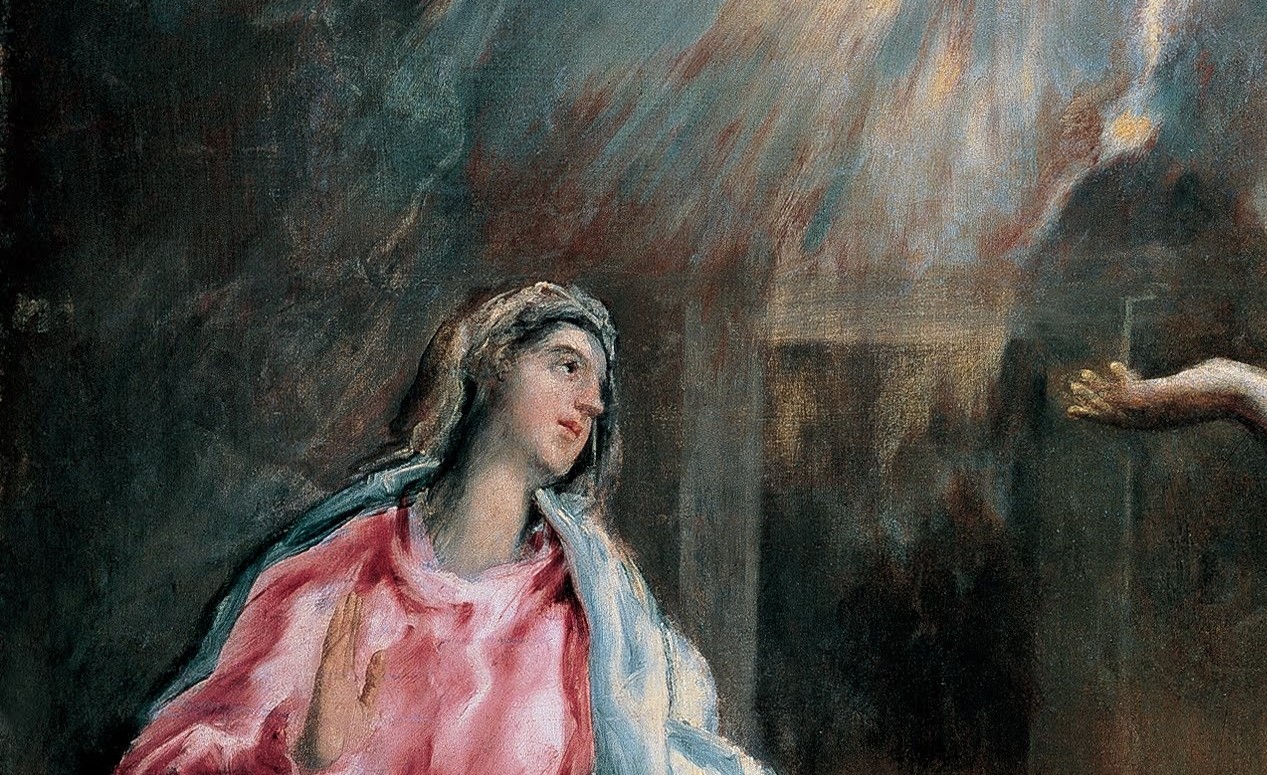
The Hail, Holy Queen concludes the Holy Rosary.
Would you like to study Mariology seriously?
This article grows out of the works in the Locus Mariologicus library. The Postgraduate Program in Mariology takes you to the same source, with academic guidance: Scripture, the Fathers of the Church, and the Magisterium, from the first dogma to contemporary questions.




Responses