Merit and grace

Merit and grace in Pauline theology (Rom 6:23; 2 Tim 2:8) and Mary as the model of the covenant with God

In contemporary daily life, the word “merit” is frequently associated with meritocratic logic: recognition at work, reward proportionate to effort. According to the CCC in §2006, the term “merit” refers in general to the recompense owed by a community or a society for the action of one of its members, experienced either as beneficial or harmful, deserving reward or punishment. Merit is relative to the virtue of justice, in conformity with the principle of equality which governs it. Before God, however, the question takes on radically different contours: how is merit to be attained before Him from whom we receive everything? He is the first cause of all things, as Saint Thomas rightly says, and without Him we do nothing good.

The gratuitousness of grace cannot contain merit. Moreover, merit as a noun does not exist in Sacred Scripture. Nevertheless, when we speak of merit, we are saying that God promises a reward to those who keep His word. It should be borne in mind that the notion of reward after death appears in Sacred Scripture only in the second century B.C.
Pauline doctrine, giving emphasis to the gratuitousness of grace, did not fail to mention also that, after we have received the means of merit (that is, grace), the Christian at the parousia will receive the crown of righteousness from the just Judge:
“From now on there is reserved for me the crown of righteousness, which the Lord, the just judge, will give me on that day, and not only to me but also to all who have awaited His appearing with love” (2 Tim 4:8). “Besides, we must all appear openly before the tribunal of Christ, so that each one may receive the due recompense, reward or punishment, for what he has done, whether good or evil, in the course of his bodily life” (2 Cor 5:10).
Consequently, Paul insists that man cannot earn a reward in the full sense in the way that he incurs punishment. His merits are such in a lesser and secondary sense, since the graces that make him holy and move him toward the good are a gift, according to Paul: “For the wages of sin is death, but the gift of God is eternal life in Christ Jesus our Lord” (Rom 6:23).
In making this distinction, Paul underlines an implication of the fact that God is the Father and that all fatherhood takes its name from Him: “from whom every fatherhood in heaven and on earth takes its name” (Eph 3:15). “For you are all children of God through faith in Christ Jesus” (Gal 3:26). Children can, in the full sense, earn a punishment, an indifference, but they cannot be under the necessity of meriting the basic love of their parents. In the same way, the human hope of reaching the dwelling places of the Father is founded on this truth: “And if we are children, we are also heirs: heirs of God and co-heirs with Christ, if indeed we suffer with Him, so that we may also be glorified with Him” (Rom 8:17). “Knowing that it is the Lord who will reward you, making you His heirs. It is Christ the Lord whom you are serving” (Col 3:24). The Father, however, requires that the faithful be conformed to His Son, Jesus Christ. In this sense, just as the true merit of Christ does not move the Father to obtain mercy and grace (since He has no need to be moved, for He has loved man from all eternity, and it was His spontaneous love that led Him to send His Son into the world), so His unmerited love is the basic explanation of all the good things that man possesses and is. Meritorious obedience is a human condition which, in His divine and human love, the Father desires to offer to man. Although He receives nothing in return, He grants the fullness of the covenant founded by and in the love of God that man cannot earn.
Still on this point, what questions do you have about the theme “Merit and Grace”? Does God give us graces in view of our deeds?
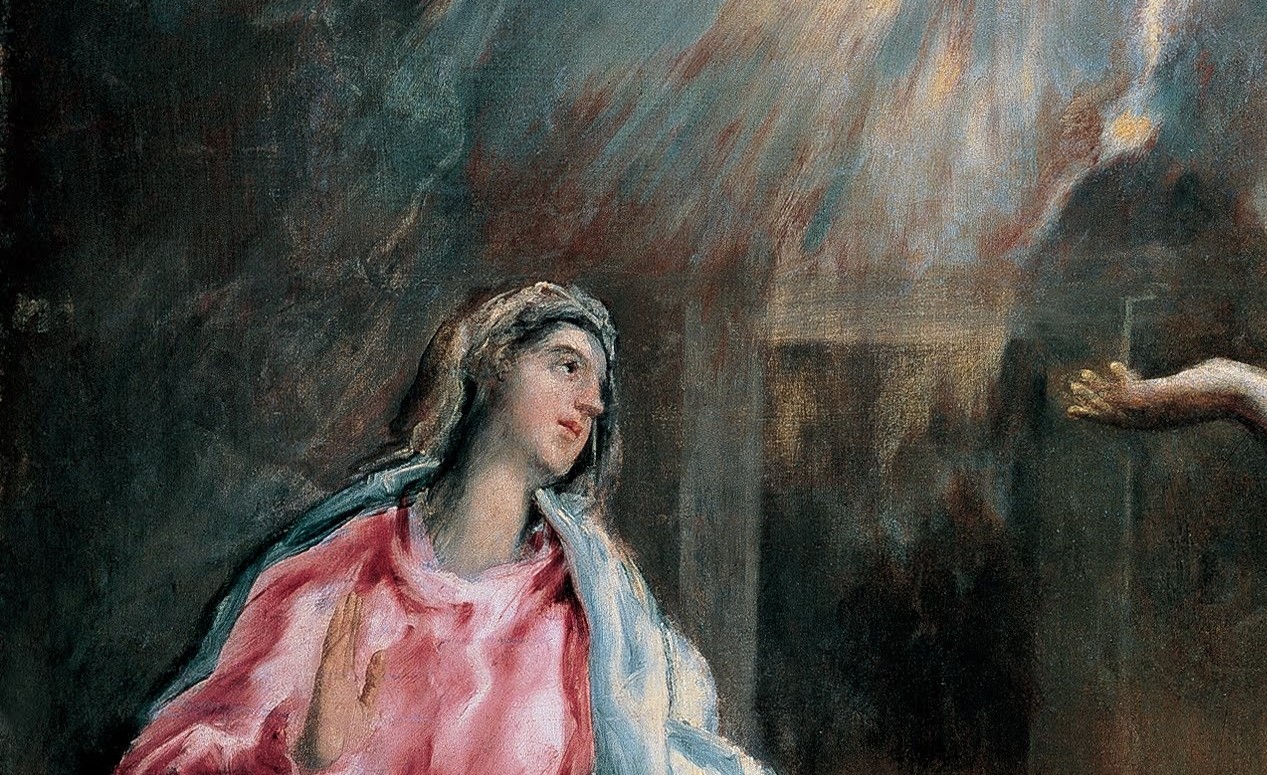
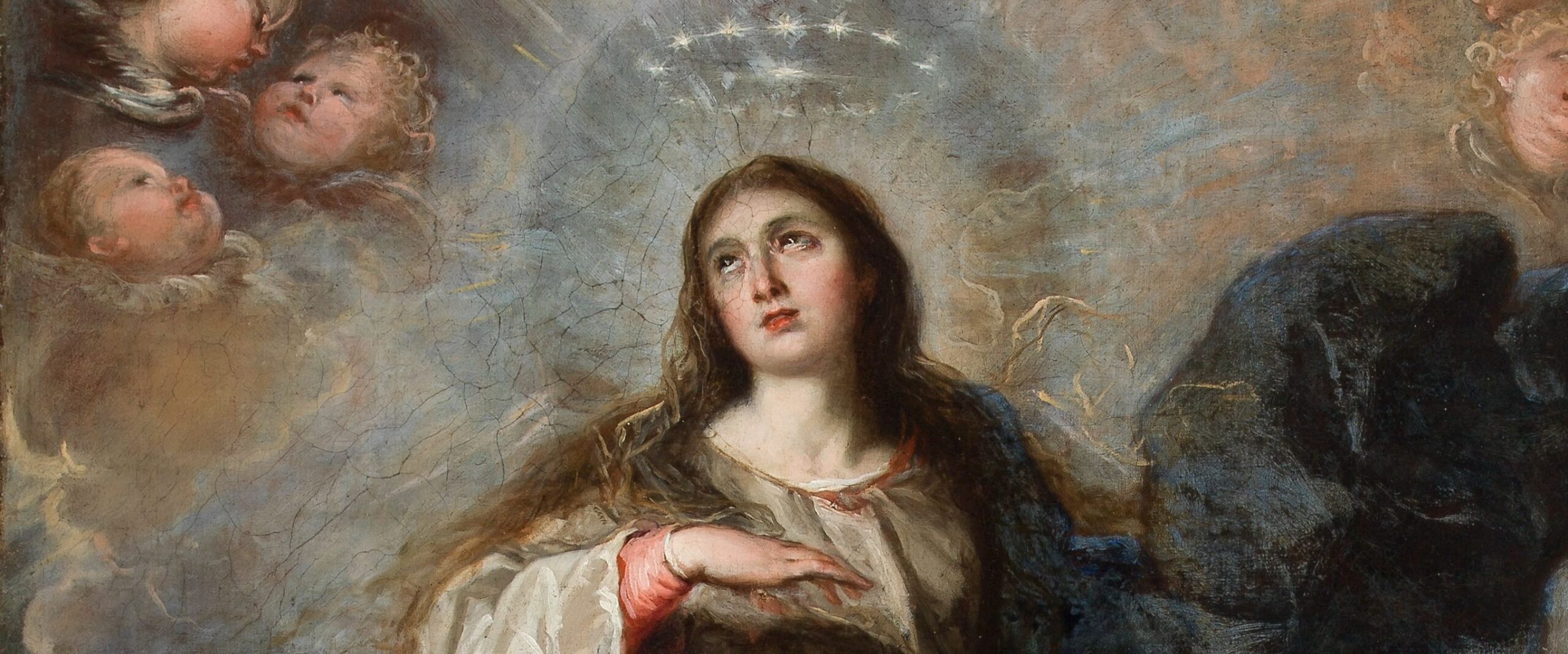
Mary is the perfect model of merit and of the acceptance of divine grace. To go deeper, read the encyclical Redemptoris Mater of Saint John Paul II, on Mary and the fullness of grace.
Deepen your studies: explore Mariology, Marian Theology, Marian apparitions and the Postgraduate Program in Mariology.
Postgraduate Program in Mariology
Would you like to deepen your formation in Mariology? Discover the Postgraduate Program in Mariology of Locus Mariologicus, an academic formation that unites theological rigor, spiritual life and the living tradition of the Church.


Responses