What angels are like according to the Bible: their real appearance
What are angels like in the Bible?
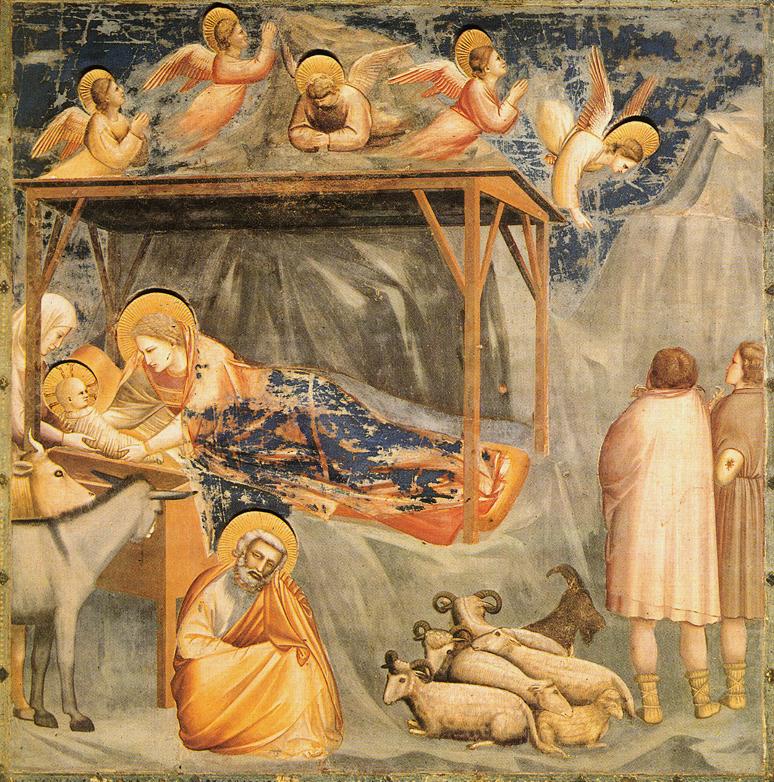
The popular image of angels, winged beings with delicate human features and white robes, does not correspond exactly to the biblical descriptions. The Hebrew and Greek Scriptures present a surprising variety of angelic figures, from messengers of human appearance to beings of cosmic awe. A constant feature of the angelic apparitions in the Bible is the reaction of human beings: terror, prostration, the need to be encouraged (“Do not be afraid”). This suggests that the appearance of the angels of the Bible was far more overwhelming and far less sentimental than the medieval and modern artistic representations.
Angels of human appearance
The most common form of angelic apparition in the Bible is that of a man (masculine gender in Hebrew and Greek): the three visitors of Abraham in Gen 18:1-3 are initially perceived as “three men”. The angel who wrestles with Jacob in Gen 32:25-29 has human form. The two angels who enter Sodom are treated as men by the Sodomites (Gen 19:1-5). Tob 5:4-8 describes Raphael as “a handsome and radiant young man”. These angels have no visible wings. Their supernatural nature is revealed by their action, not by their outward appearance.
The seraphim of Isaiah 6
Is 6:1-7 describes the seraphim: “each one had six wings: with two they covered their faces, with two they covered their feet, and with two they flew”. They cried out to one another in turn: “Holy, Holy, Holy is the Lord of Hosts”. The voice of the seraphim made the doorposts shake, and the Temple was filled with smoke. The seraphim are not represented with a primarily human appearance: they are beings of fire (the Hebrew name saraf means “to burn”) with multiple wings. This text, the source of the liturgical Sanctus, presents one of the most overwhelming images of the angelic realm in the Bible.
The cherubim of Ezekiel 1
Ezek 1:4-28 describes the prophet’s initial vision: four living creatures (identified in Ezek 10 as cherubim), each with four faces (man, lion, ox, eagle) and four wings. Their legs were straight like columns, the soles of their feet gleaming like polished bronze. Beneath their wings they had human hands. They turned together with wheels within wheels, covered with eyes. This theophanic vision lies at the basis of the iconography of the four evangelists (man/Matthew, lion/Mark, ox/Luke, eagle/John). The cherubim of Ezekiel are radically different from the chubby putti of Baroque art.
Gabriel and Michael: the archangels with names
Gabriel appears in Dan 8:15-17 as “one who had the appearance of a man”, who approaches Daniel and makes him fall prostrate in terror. In Lk 1:26-28 he simply enters where Mary was, with no description of wings or of immediate terror. Michael appears in Dan 10:13 as “one of the chief princes” and in Jude v.9 in dispute with the devil over the body of Moses. Rev 12:7-9 describes the battle of Michael and his angels against the dragon. Raphael in Tob 12:15 identifies himself as “one of the seven angels who stand before the Lord”. In none of these texts are visible wings described for the three archangels.
The angel of the Lord
A special category in the Hebrew Bible is the mal’àk YHWH, the “Angel of the Lord”, who is frequently identified with God Himself in the narrative (Gen 16:7-13. Ex 3:2-6. Judg 6:12-22). This enigmatic figure led the Fathers of the Church to interpret it as a pre-incarnate theophany of the Word, although modern exegesis prefers to see the narrative pattern of “representation by proxy” (the messenger is treated as the sender himself). In any case, the experience of the encounter with the mal’àk is always of a divine character: fear, the prohibition against seeing the face, the transformation of the one who speaks with him.
Deepen your studies: explore Angelology, Archangel Gabriel, Archangel Michael, Archangel Raphael and the Postgraduate Program in Mariology.
Postgraduate Program in Mariology
Would you like to deepen your formation in Mariology? Discover the Postgraduate Program in Mariology of Locus Mariologicus – an academic formation that unites theological rigor, spiritual life, and the living tradition of the Church.
See our complete guide to Catholic Angelology.
See also:
Would you like to study angelology and demonology in depth?
This article comes from the Locus Mariologicus library. The postgraduate specialisation in Angelology and Demonology (360 hours, fully online) studies angels and demons in Scripture, the Fathers and the Magisterium, with a whole area on practical demonology, exorcism and deliverance prayer. The new class begins on 18 January 2027. Classes are taught in Portuguese.


Responses