Mary in Christ Reconciles Us with God
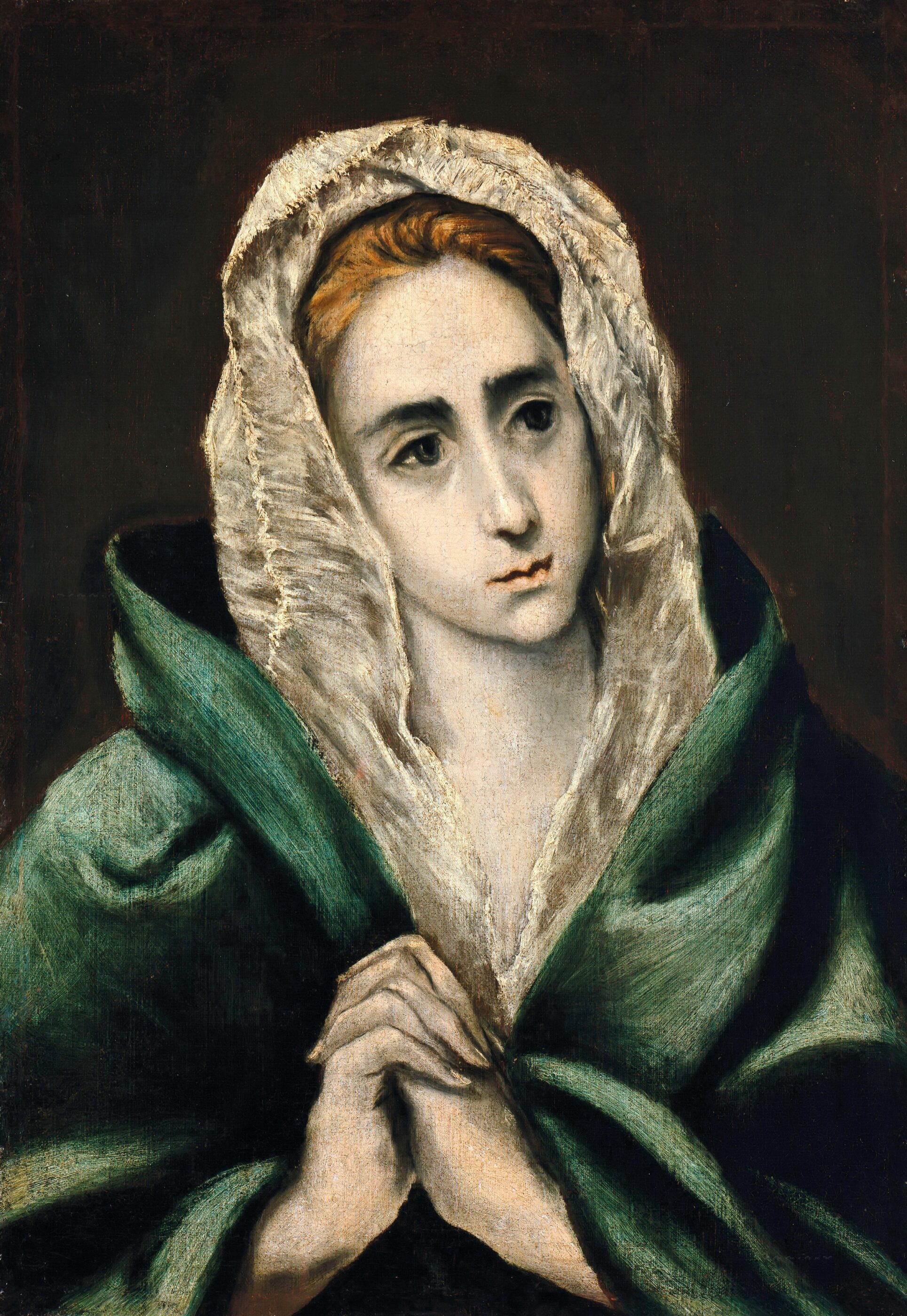
The truth of Mary is understood and becomes our life if we see her within the Mystery of Christ, understood as the dynamic center of the salvation of the world, which the Father directs with the power and the love of His Holy Spirit. In that mystery, Mary has the ministry of signifying and bringing about, with her manifold motherhood, the saving love of Christ and, in Christ, of the Father.
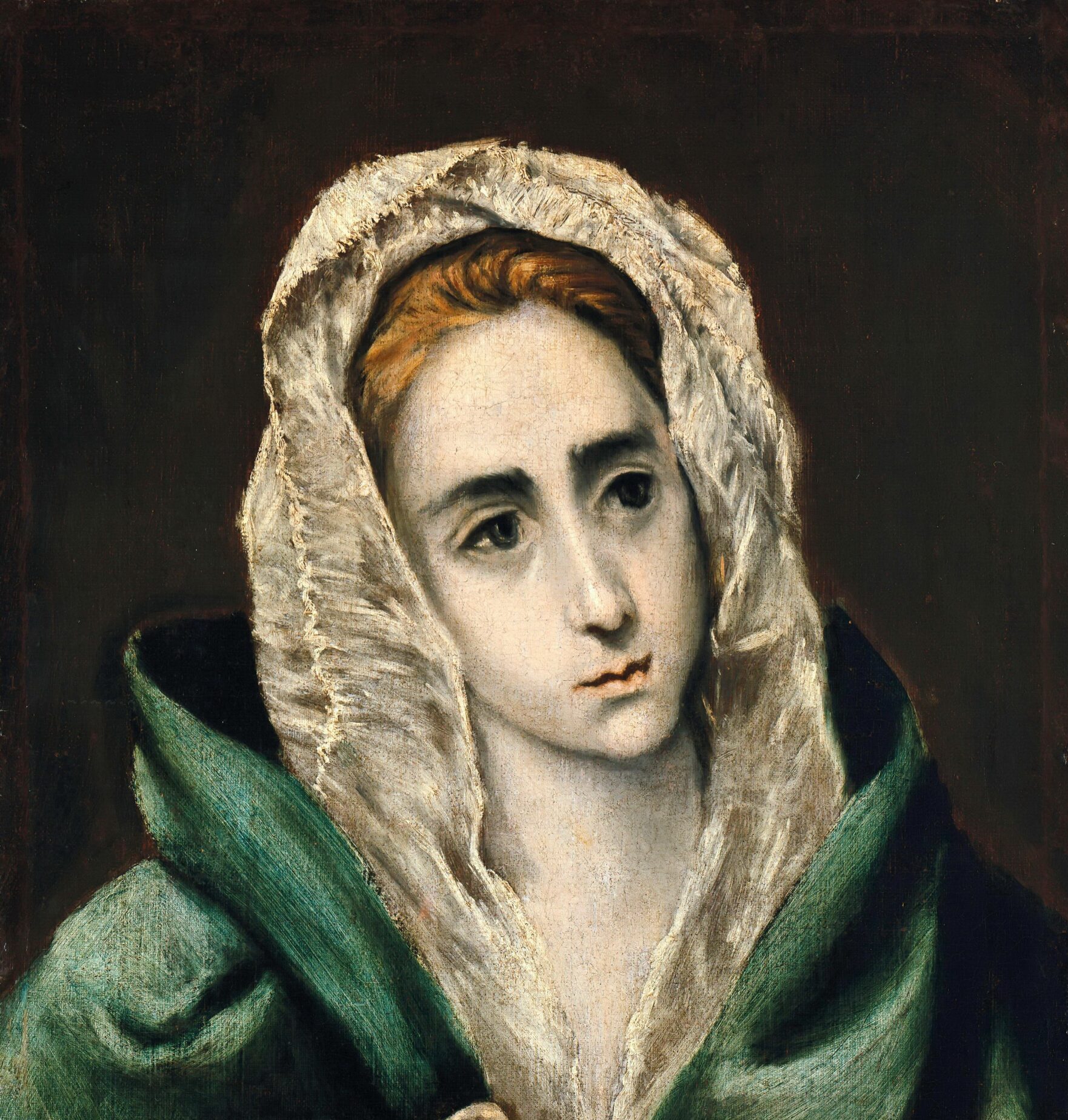
We will see how Mary, in Christ, reconciles us with God: the emphasis falls on the restoration of the bond of friendship with God, which is a fundamental aspect of the Mystery of Christ.
How Mary, in Christ, Reconciles Us with God
A) God comes to meet man
We have said that it is God who reconciles us with Himself, working in Christ. How, then, can we say that Mary reconciles us with God? In fact, I said Mary in Christ, which amounts to saying that Christ reconciles us with God, taking Mary as His particular minister, in the way we have already considered at length. There is no danger of Mariolatry: on the contrary, it is a matter of exalting the understanding benevolence with which God bends down over us, out of true philanthropy.
In any case, the truth that Mary reconciles us, and how she reconciles us with God, is told to us by the Word of God. It is told to us in Sacred Scripture, which reveals to us the history of reconciliation, that is, the action of God who comes to meet man and draws him close to Himself with a pact of friendship that, in its dimension as a people, is expressed as a covenant.
The Church says, in the magnificent Fourth Eucharistic Prayer of the Mass: “When through disobedience man had lost your friendship, you did not abandon him to the power of death, but in your mercy you came to meet all, so that those who seek you might find you. Time and again you offered men your covenant and, through the prophets, taught them to hope for salvation”.
Reconciliation therefore has a history, and it will continue to have a history: History. It is History that tells us whether and how Mary, in Christ, reconciles us with God.
B) Mary, “remnant of Israel”, goes to meet God and exalts Him
God comes to meet those who seek Him, the Church tells us in the Eucharistic Prayer. God reconciles to Himself those who let themselves be reconciled. That is why Saint Paul begs everyone: (2 Cor 5:20) “let yourselves be reconciled”. That is, do not turn your backs on God, who comes to you to make you His friends, a people allied with Him. Friendship of persons, friendship of a people.
Now, Mary goes to meet God, opens herself to God, lets herself be reconciled, redeemed, and saved in an entirely singular way. Friend of God, to the point of being Spouse of God, Mother of God, New Eve, daughter of God. Friend of God as a singular person. Friend of God as representative, remnant of the whole people of God, of the people that in her lets itself be regenerated by Christ, of the old Synagogue into the pure Church, without stain. In the third Marian preface, the Liturgy teaches us thus: “Mary, at the announcement of the Angel, received your Word (O Father) into her Immaculate Heart and merited to conceive Him in her virginal womb. Becoming the Mother of her Creator, she marked the beginnings of the Church”.
This is not a panegyric built out of sterile rhetoric. It is simply history: the history of reconciliation, as it is narrated and sung to us by the Word of God. Narrated throughout the Old Testament by the salvific events, by the prophets, by the women who are “types” of Mary. History, finally, summed up and sung by Mary in the Magnificat, according to the revealing intuition of the first Church, some decades after the Lord’s resurrection.
Let us listen here to a page from an exegete who is serious from the scientific point of view, yet without the prejudices of a Christological, and therefore Marian, mini-theology: I am referring to Albert Gelin.
After recalling the various “types” of women, of things, and also of figures that, according to liturgical piety, foreshadow Mary, Gelin asks, together with Dom Charlier: “Is this a matter of typology or of evolution?”. That is, is it fundamentally a matter of Mary contemplated in her personal privileges, or of Mary grasped and set forth in the dynamism of the history of salvation, a dynamism that we now designate by her ministeriality? Both Charlier and Gelin hold that the first way of seeing Mary’s typology must be integrated and enlivened by the second, which brings clearly to light “the central path on which Mary reveals herself and shows herself engaged”, a central path far too neglected, the two authors say, and rightly so. Following this historical and evolutionary criterion of salvation within the people of God, the question arises: how does Mary stand in relation to the people of God in the history of salvation? And the answer is that, in fact, “she appears as its authentic fulfillment”.
Taking as the true “people of God” the people faithful to God’s covenant and friendship, one sees in history that it becomes ever smaller, socially and religiously discriminated against. In the period after the exile, the prophets speak of the “Remnant” of Israel, made up of the “poor”, that is, the simple, the socially little ones, kept in a state of humiliation, yet faithful to God and to His law, not adulterated by the powerful. Over this “Remnant” God watches as over His true “people”, purifies it as gold is purified, and leads it toward the “Day” that will be the “Day of the Messiah”.
From this people of the poor of YHWH the prayers rise up to God, says Gelin, prayers that follow one another throughout history. And he continues: “One day, all these prayers will be concentrated in Mary, the true point of passage between the old and the new Covenant. Mary will be the instantaneous echo of a long chain of those who pray: she will gather into her soul the whole capacity to receive the God who comes. She will sum up all this immense expectation, which is the spiritual dimension of Israel, and which will finally bring forth Christ. The Church of the poor, in its immense symphony of prayer, was a prelude to the Magnificat. ‘All the spiritual life’, says Gelin quoting R. Bernard, ‘of ancient times reaches in Mary its summit, its point of full maturity’. And each of the ‘anawin’ (the poor of YHWH), a member of this true Israel, was preparing her, was announcing her” (A. Gelin, Les pauvres que Dieu aime, Éditions du Cerf, 1968, p. 115), (P. R. Bernard, Le mystère de Marie, Paris, 1933, p. 101).
Mary, therefore, sums up in her spirit the whole capacity for welcome that God preserved and purified in the heart of the little Remnant. Each person and the whole little, true people of God, the true Synagogue, is gathered in her and says yes to the God who comes. And it is in this way that, by opening herself, she reconciles us in Christ with God: the new Synagogue is born, the new people, which will extend to all generations, to the ends of the earth.
From the old history the new history is born, and Mary will be the first to narrate it, to sing it in the Magnificat, revealing how God reconciled her in newness of life and how, in Christ, already her Son, He will reconcile the world according to a new law: the law of the poor of God, which Christ will one day express in what are called the Beatitudes. The Magnificat foreshadowed them.
If all this is true, we can truly say: “Mary, in Christ, reconciles us with God”. Certainly, this makes her stand out in the history of salvation. Should we fear that emergence, as though the uniqueness of Christ’s reconciliation were in danger? Is it dangerous to exalt Mary? Is the popular piety that exalts Mary, that turns to Mary in order to find reconciliation with God, perhaps a sector of the Church’s life that must always be kept under control, as if it were a kind of atomic spiritual energy, capable of causing great harm to the Church?
If it is true exaltation, that is, if it is not fanciful parody, it does no harm to the Church. On the contrary, it makes us grow in reconciliation with God, because true praise turns into vital energy, a power of attunement to the capacity for welcoming the God who comes, the Christ who comes brought by her.
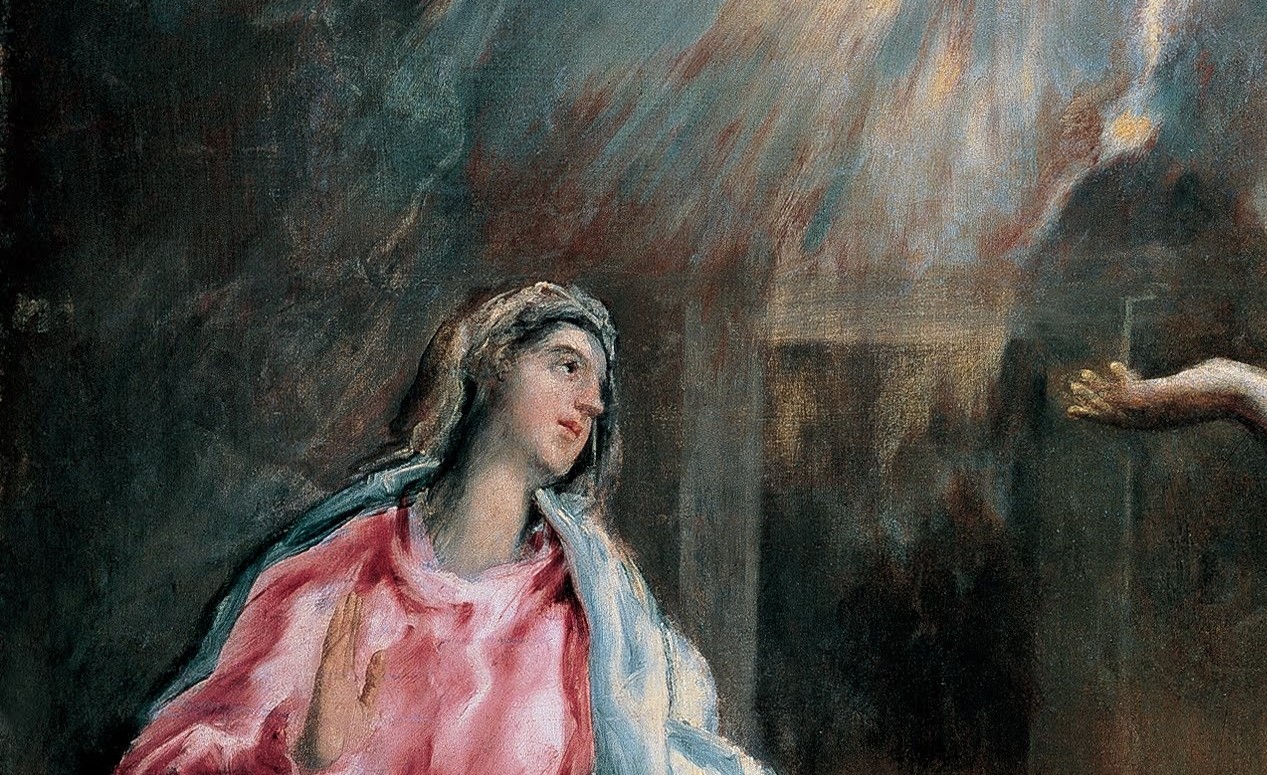
There is an episode in Mary’s life that is revealing. God made her understand that her kinswoman Elizabeth, despite her age, had conceived the one who would later be John, the Precursor of Jesus. Moved by her “will to serve”, as Paul VI, in Marialis cultus, characterizes Mary’s will, she goes to visit Elizabeth. On seeing her, Mary greets her, but her voice becomes the voice of Jesus, and it is welcomed by John, who for this reason exults in his mother’s womb, and Elizabeth bursts out in praise of Mary: (Lk 1:39-45) “Blessed are you among women, and blessed is the fruit of your womb… Blessed is she who believed, for all that was said to her will be fulfilled”.
Everything unfolds in a tension of the Holy Spirit, which envelops Elizabeth and Zechariah. Wonder, praise: none of it stops at the persons, but, starting from the persons, it rises up to God.
And it is precisely Mary who gathers up the praise, the wonder, and transforms it all into revelation and exaltation of God’s history of salvation, with the Magnificat. She exalts God and acknowledges that she will be exalted by all generations.
I understand that it is the first Church that intuits all this, but the intuition is a formal revelation of the realities present in Mary’s spirit. One must not, therefore, be afraid to exalt Mary, if everything takes place in truth and becomes history of salvation, for persons and for the community.
After this digression in defense of Marian popular piety, which gladly exalts Mary, let us take up again the discussion of how Mary gathers in herself, for herself and for all of us, the capacity for welcoming the God who comes to reconcile us in Christ, and how she celebrates God’s action in His Church and, through her, in the world. It is always in the Magnificat that Mary speaks to us of all this.
C) Mary’s path of faith and of silence
How does Mary gather in herself, as remnant of Israel, the capacity for welcoming the God who reconciles? By accepting the condition, common to her and to her surroundings in Nazareth, of being discriminated against for her fidelity to the law of God: an objective condition of endured need, tapeinosis, a humiliation that does not rebel with violence, but that also does not yield to conformism. And she opens herself, in prayer, to God, with firm faith and hope in God’s fidelity to the promises made to the fathers: (Lk 1:46-48) “My soul magnifies the Lord, and my spirit rejoices in God my Savior, because He has looked upon the humiliation of His handmaid”.
Mary was aware that God had visited her. She was also aware of having said a “Yes” that committed her to a path whose course and end she did not know. It was a “Yes” of faith, which did not remove the obscurity of that very faith. Indeed, she was so filled with God, so imbued with the Holy Spirit, and now also with the wholly special presence of the Word — and she was conscious of this only as a total abandonment to God, awakened by God — that she had no need of extraordinary revelations to dispel for her the obscurity of faith. She remained, for herself, in a trusting abandonment to God. Of this she had experience, and it was a unique experience, ineffable, and also one of suffering. A unique experience of faith in history, greater than that of Abraham. An exodus from her land, from herself, to meet the God who comes to reconcile the world to Himself, in Christ.
But the following words of the Magnificat make us realize that she intuited that the Kingdom of God for her people was near and that her adventure of faith was set within that history, now come to its summit. And she saw herself there, carried by God, not so much for herself, but for her people. She remained in her faith, in her state of suffered poverty, and yet, for the people of the poor of every century, she would be a blessed sign that the reconciliation of the Kingdom of God was beginning its new course precisely from that “Yes” of hers to God, from that Son whom she bore in her womb and whom she well knew to be hers alone, by God’s will. That is why, in her consciousness, she felt she could also say: (Lk 1:48-49) “Yes, from now on all generations will call me blessed, because the Mighty One has done great things in me, and holy is His Name”.
We too call Mary blessed, because God has done great things in her for us: He placed Himself in her as Father, as Word, and as Holy Spirit, and in her and from her He drew forth the new Ark of propitiation, which is the humanity of Christ. And so, by accepting the Reconciler, she reconciled us.
Deepen this meditation on Mary: How, with Mary, to open ourselves to Christ in order to go to meet God and Mary in Christ reconciles us with ourselves and with others. For the magisterial teaching on Mary, consult Redemptoris Mater: Mary, path of reconciliation.
Deepen your knowledge of Mariology: If you wish to study Mariology with academic rigor, discover our Postgraduate Program in Mariology. Learn more about Marian Theology and the Marian apparitions approved by the Church.
Postgraduate Program in Mariology
Would you like to deepen your formation in Mariology? Discover the Postgraduate Program in Mariology of Locus Mariologicus, an academic formation that unites theological rigor, spiritual life, and the living tradition of the Church.
Would you like to study Mariology seriously?
This article is born of the works in the Locus Mariologicus library. The Postgraduate Program in Mariology takes you to that same source, with academic guidance: Scripture, the Fathers of the Church, and the Magisterium, from the first dogma to contemporary questions.


Responses