Mary, teacher of the Christian pilgrimage

It appears that the provided text contains placeholders or markers for a content system (possibly a bookmarking or reference tool), but does not contain any actual content in Portuguese to translate. Therefore, no translation is necessary for the given input. Mary teaches us to contemplate the wonders of God’s love
Through her perpetual motherhood in relation to us, Mary reaffirms the transformative presence of God in the history of humanity, with the purpose of calling them and reminding them of salvation. Recognizing this presence is to acknowledge that God is acting effectively and decisively in our lives. He bursts into the world with His power to save it. The Virgin invites us to recognize that God exists, lives, and acts from all eternity.
In His manifestation, He reveals Himself primarily as God, Love who desires to communicate and dialogue with humanity. Through His marvelous works, the fruit of His donation, He asks for our adoration, praise, and thanksgiving, so that we, imitating the Virgin, may manifest our love to Him and receive Him with greater attention. Mary teaches us that we have been granted intelligence and a heart precisely to tune into our God and become the voice of all creation in magnifying Him, since material creatures cannot sing His infinite praise.
Through His works and by looking at humanity made in His image and likeness, God shows Himself close to His creatures and intervenes to guide them towards His glory, according to the designs of His divine wisdom. Recognizing God’s irruption into history means opening up, like Mary, to the contemplation of His mystery and glory. It means seeking God above all things, being and living with an awareness of this ineffable presence. It means nourishing ourselves from Him, being flooded with His splendor. It means freeing ourselves from the bondage of sin to be enveloped by His conquering, redeeming, and saving love. It means understanding ourselves in the knowledge of God in the light of the interior Spirit of Saint.
This prayerful opening to the contemplation of God’s mystery, spurred by the Holy Spirit and with the help and example of Mary, is necessary to reveal, with a free and attentive heart, the true face of God who reveals Himself in love. In the context of our existence, our worship of God must emerge with strength and continue to manifest itself, so that His glory remains always the supreme reason for our existence, as it was for the Mother of the Lord.
Mary teaches us to be free in our choices
Our “yes” to God, like Mary’s, arises from submission to His will, flowing from every part of our being as the supreme expression of our freedom sustained by His grace. Freedom is the only gift that belongs to us and is untouchable: that is why it is the greatest gift we can give to God, making Him omnipotent in us. This total adherence to God, like Mary’s free “Fiat,” inserts us into His plan of love, on a path of growing fidelity and fullness in love. Therefore, the source of our happiness and our first duty as creatures is an incessant and loving search for God. However, the Lord created us free and desires that we come to Him in full freedom.
Although He has absolute initiative in ordering and determining the plans of salvation and carrying them out at defined times in different levels and in diverse forms, He invites, as He did with the Virgin of Nazareth, humanity to freely accept His Word, testify to it, and above all, in His interpersonal relationship with humanity, He invites each one to accept and collaborate with His grace, respecting the dignity of the created person in His image and likeness.
The free response to God, as happened with Mary, fully involves the human person, who is first of all called to truly believe in the faith in all that God reveals and to be disposed to obey the plan of His will manifested in it. This faith involves a generous opening to God’s love and the certainty that He will fulfill all His promises.
In this relationship between the free creature and salvation and the glory of God, lies the whole mystery that involves the responsible human being and inserts him, like Mary, into the mystery of the Divine Trinity.
Mary teaches us to carry Jesus in our hearts
Opening up, like Mary, to the mystery of God revealed in love also means belonging totally and completely to Christ. Sacred Scripture teaches us that in Christ we become “participants of the divine nature“, that we are “participants in Christ“, that we “will live with Christ“. Saint Paul repeats this more than seventy times!Christ identifies Himself with Christians when He called Saul on the road to Damascus: “Saul, Saul, why do you persecute me?“. We belong entirely to Christ because we are in Christ as members of a body. We form a unity, have full participation in His activities and destiny. We are the mystical body of Christ, so real that it unites us, incorporates us with the head and also with the other members: we are in Christ as branches on the vine. A union and sharing of vital sap, sharing in the bearing of fruit that occurs on the branches and the life of the vine.
Belonging to Christ, believing in Him, following His ways of life, as Mary did and teaches, means being taught by Him and constantly referring to Him to enrich our existence with sanctity. But this implies, as an inevitable consequence, testifying Him and proclaiming His gospel to the world. The true Christian and the whole Church cannot remain idle when they received from Jesus the explicit command: “Go into all the world“.
Mary invites Christians to become aware of their missionary vocation, which is to promote the spiritual regeneration of men, making them reborn as children of God in the new life in Christ. Announcing Christ, loving Him, possessing Him and following Him means sharing Him with others, means promoting man because God desires his salvation. Testifying Christ and being His disciples means contributing effectively so that all men participate in the salvation, won by them through Christ’s death and resurrection.
Introduced into the contemplation of the risen Christ, the true Christian, ultimately, is he who, having risen with Him, testifies to each needy person his victory beyond the painful journey of life, because he cannot keep for himself the transformative vital experience he had in Christ, but he must necessarily announce it to the world.
Mary teaches us to be submissive to the Spirit. Knowing God and being true disciples of Christ is only possible through the active and constant work of the Holy Spirit, who allows us to be fully part of the “divine family” and who, in Mary, accomplished the first great wonders of His grace. It is the Spirit, as Saint Paul affirms, who reveals Jesus to us and gives us the sense of filiation in relation to the Father: “those who are born of Him are children of God“, and also: “you have received the Spirit of adoption, by which we cry out: ‘Abba, Father’“. This Spirit who fully and wonderfully operated in Mary acts in us, guides our activity, supports our weakness, prays in us with inexpressible sighs, makes us know our vocation as members of Christ and leads us on the path of union with the Father in Christ, granting us the graces we need.
Although He does not show us His divine face, the Holy Spirit reveals Himself to us through His action, as He did in Mary since her immaculate conception of the Word of God, and it is the Person of the Holy Trinity who first dwells in our soul, touches our heart, resides in us, introduces the Son and the Father. He animates every part of our spiritual being, the mysterious voice of our conscience, the inspirer of our thoughts, the breath and the breath of our love, the support of our will on the straight path of salvation.
Remaining in us as a sweet guest of the soul, the Holy Spirit incites us to conform more and more to the love of Jesus, to live the commitment that Jesus proposed to us at the Last Supper: “Love one another as I have loved you“. The new creature formed by the Spirit, as it happened in Mary, is the creature in which love reigns fully. In the Spirit and with the Spirit, it lives the new Covenant, because it has acquired the novelty of life, loves, believes and hopes, and, in the Spirit, it ascends to the Father, offers itself for the salvation of the world, becomes, as our mother Mary constantly shows us, also a father, brother, mediator and comforter for all men.
Maria ensina-nos a ser animados pelo amorThe path of the man who reveals and approaches the mystery of God, who allows himself to be animated, guided, and sanctified by the Holy Spirit, who embraces and follows the perfect discipleship of Jesus, can only be the path of love, for this is what he learned in the school of his Divine Master. The Word of God, by which all things were made, becoming flesh, came to dwell among men on earth, entered into the history of the world as the perfect man, animating it and recapitulating it in Himself through a loving and painful recreation.
The Son of Mary was the one who revealed to us that “God is love” and taught us that love is the fundamental law of Christian perfection and also of the transformation of the world. The path of man, becoming the path of God in Christ, is therefore only the path of love. Looking at his Master, the Christian sees and understands that He, though King by nature and vocation, did not wish to reign through His absolute creative power, but only through love, giving the greatest proof of it by accepting to suffer and die for us.
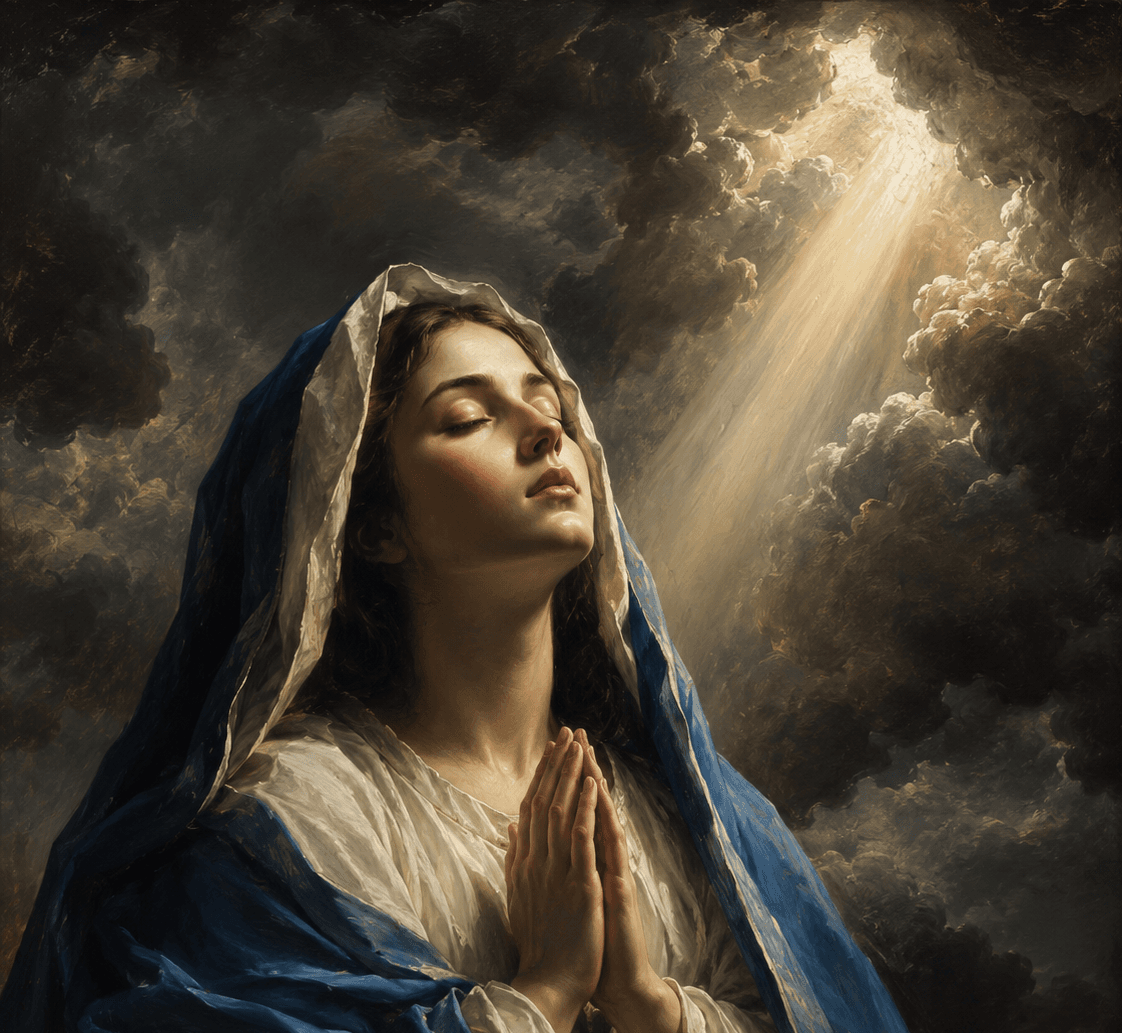
To live in love means, as we contemplate in Mary and in her actions towards us, to open ourselves completely to God and, through Him and by Him, to others. All this unites us to God and to our brothers, and has as its first vital element prayer, as contemplation-action, a prayer, therefore, not abstract, but which arises from a transformative dialogue with God and meditation-acceptance of His Word, as happened with Mary, who meditated and kept all things in her heart, and returns to her life and to that of others to renew it and give it meaning.
Prayer, thus understood, is above all giving glory to God, the giver of all good and consolation, always being attentive to the salvation of others, knowing how to listen, feeling loved and allowing oneself to be loved, allowing God to work within us, allowing ourselves to be guided by Him, becoming people animated by creativity, initiative, and organization for the benefit of our brothers and sisters who live beside us, allowing ourselves to be guided by Truth to guide them to the Truth that unifies, saves, and transforms the world. Living in love, immerged perpetually in a prayerful attitude before the Divine Trinity, transforms us into carriers of salvation and joy in the world. Like Mary, the pure transparency through which God smiled upon the earth, sending into the world His Son, source of joy, we too must be carriers of this salvific joy, which springs from faith and full adherence to God, and flows from a heart free from sin, source of infinite sorrow.
The Virgin reminds us that joy is only possible if we are freed from the crushing weight of our sins, making space for the Spirit and fostering in us the maturation of His sanctifying and joyful fruits. Union with God and joy are equivalent. As we convert and pass from the bondage of sin to the freedom of total belonging to God, we are clothed with joy and radiate it into the world. This transforming joy finds its nourishment in Christ, in the love of the Father, and in the fullness of the Holy Spirit. Mary teaches us that her being “All Joy,” “All Holy,” and “All Grace” is the fruit of her total belonging to God, of her journey to Jerusalem behind Christ in suffering and prayerful love, which becomes co-participation in the salvation of the world.
The Virgin invites us to clothe ourselves in the wedding garment to be admitted to the feast of joy in the kingdom of heaven, where she is fully realized and where we will be sated with God, the only true joy.
Mary exhorts us to trust in her maternal heart.
As the spiritual Mother of the Church and Mother of all men, deeply involved in the work of renewing the world in Christ, the Virgin often reveals in her apparitions her Immaculate Heart, to express with a powerful and iconic image her universal mission: “to collaborate apostolically in the invisible birth, in the blossoming of Christ’s life in the heart of man.”
The “consacration” repeatedly asked for by the Virgin, that is, to entrust ourselves entirely to her maternal care, aims to lead us to revive our consecration to God through Christ in the Spirit, which already occurred on the day of baptism. With her example and intercession, the Mother of the Lord desires to help us live the baptismal consecration and to understand the profound meaning of baptism of regeneration and renewal in the Spirit, which made us children of God and participants in the divine nature. Saint John Paul II stated: “*How can we live our baptism without contemplating Mary, the blessed among women, so receptive of God’s gift? Christ gave her as a mother. He gave her as a mother to the Church. Every Catholic spontaneously entrusts his prayer to her and dedicates himself to her in order to consecrate himself better to the Lord*.”
Rahner writes: “What happens in us at baptism has its originality and initial strength in the womb of the Virgin Mary. By the side of every baptismal font of the Mother Church, stands the Mother of Jesus.”
The experience of the saints strongly and evidently shows that by entrusting ourselves to Mary, she becomes ours and we are hers, and between her and us a wonderful intersubjectivity, mutual attention, deep relationship, exchange of goods, friendly atmosphere, influence, and oblative love is established. All this should lead us to understand and embrace Mary as a mother in whose heart we find refuge, and also as a teacher and model of life on the path of faith, in the total response to God, in the availability to collaborate in the plan of salvation.*
Therefore, it is understood that the characteristic of devotion and dedication to Mary is to integrate into Christian life as an essential condition for its full maturity and completeness: to trust in Mary, to embrace her as a mother, means ultimately to enter into the redeeming mystery of Christ. Mary’s role is to help those who trust in her to fulfill in Christ their vocation, to rediscover and live fully their belonging to God. With her presence and by welcoming us as sons, Mary invites us to detach ourselves from our pride, the root and cause of all personal and social sin. She impels us on the path of holiness and the evangelical virtues that she herself lived. She invites us to honor in ourselves the state of grace in which she is full and the perfect model, that is, to live in friendship with God, in communion with Him, in the habitation of the Spirit, in order to reproduce in us the spiritual traits of the Firstborn Son, our Brother and Lord.*
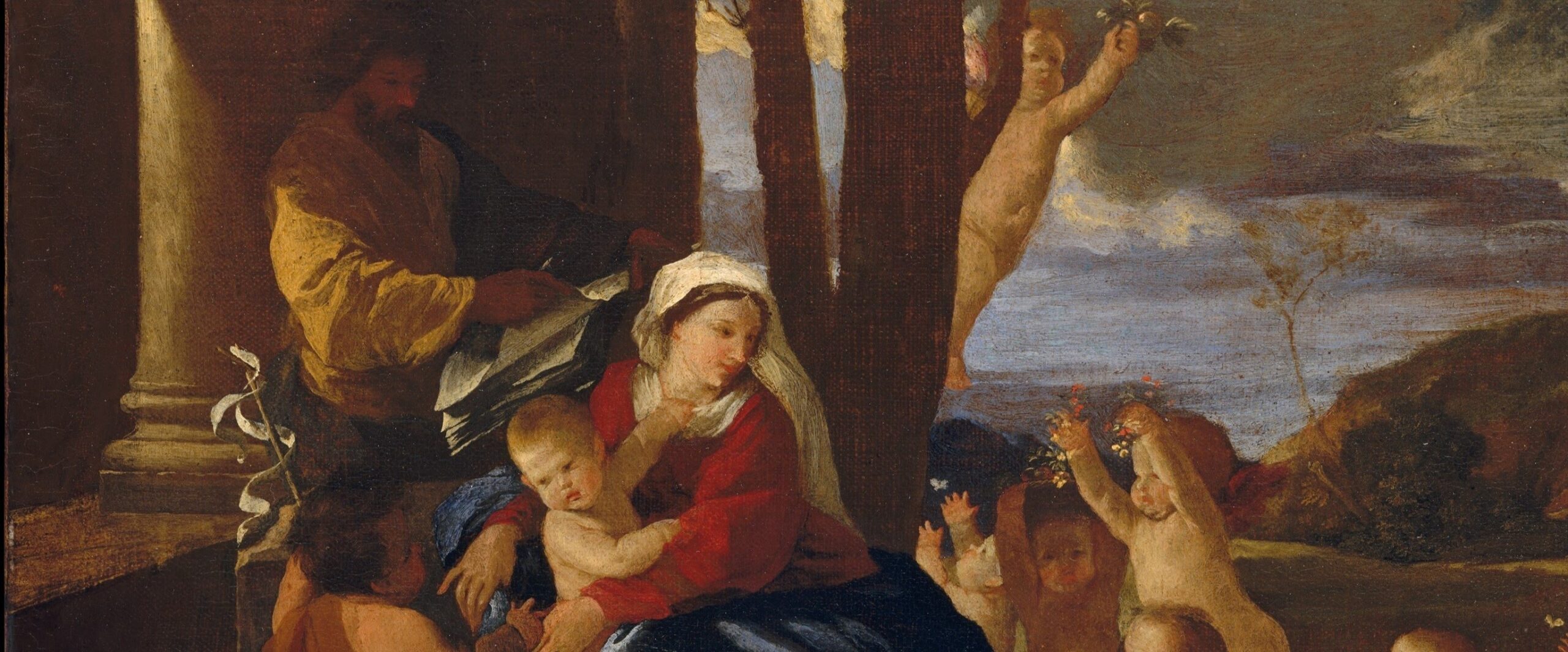
Let us be guided by Mother Mary The Church teaches us that Mary is Mother and Companion of Christ the Savior: “Mother” links her to her Son, who is the eternal Son of God incarnate in her. “Companion” links her to the Savior’s mission. Associated with the Son, Mary gave herself completely to Him with love and joy, but also with incommensurable suffering, adoring in her gift to the Son and in his work the mysterious plan of the Father. In the work of the divine Redeemer, Mary cooperated in a very special way, so that her merits, her virtuous actions, and her sufferings are part of the mystery of our redemption.
By dedicating herself completely to the person and work of the Son, Mary placed herself at the service of the mystery of salvation, under Him and with Him, with free faith and obedience. Her love, her faith, and her obedience to God are not like flowers scattered in the desert, but a germination that accompanies all of Mary’s life as a living and constant structure of her personality.
Awareness of all this should lead us to recognize Mary’s presence in our lives, to act under her attentive and maternal gaze, following her example of total dedication to Christ, convinced that the Celestial Mother is always close to us to encourage, console, support, and guide us to Him.
The period from the “fullness of time” to the end of our earthly history commits Mary’s spiritual motherhood without fatiguing, weakening, or diminishing her dedication. We must always rely on her throughout our earthly pilgrimage, asking her to finally show us Jesus, the blessed fruit of her womb, at the end of our journey.
Deepen your studies: explore Mariology, Marian Theology, Marian Apparitions, and the Postgraduate Program in Mariology.
For Mary as a guide for the Christian pilgrimage of faith, consult the Encyclical Redemptoris Mater by Pope John Paul II.
Postgraduate Program in Mariology
Would you like to deepen your formation in Mariology? Get to know the Postgraduate Program in Mariology from Locus Mariologicus, an academic formation that combines theological rigor, spiritual life, and the living tradition of the Church.Would you like to study Mariology seriously?
This article arises from the works in the Locus Mariologicus library. The Postgraduate Program in Mariology takes you to the same sources, with academic guidance: Scripture, the Fathers of the Church, and the Magisterium, from the first dogma to contemporary issues.



Responses