Our Lady of Sorrows, does it make sense?

Our Lady of Sorrows: the meaning of Mary’s suffering
In the month in which we celebrate Mary, Our Lady of Sorrows, we will reflect on the meaning of this theme.
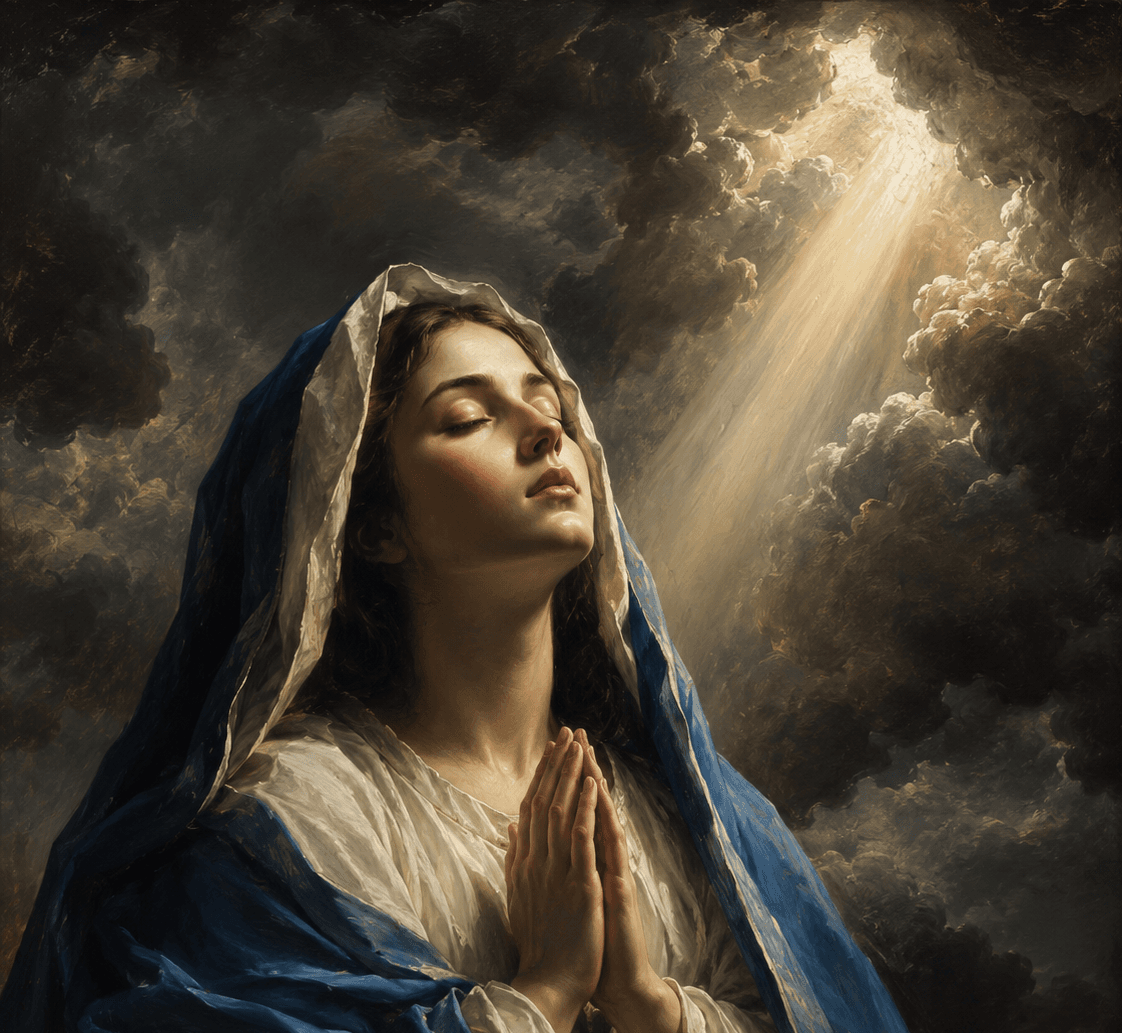
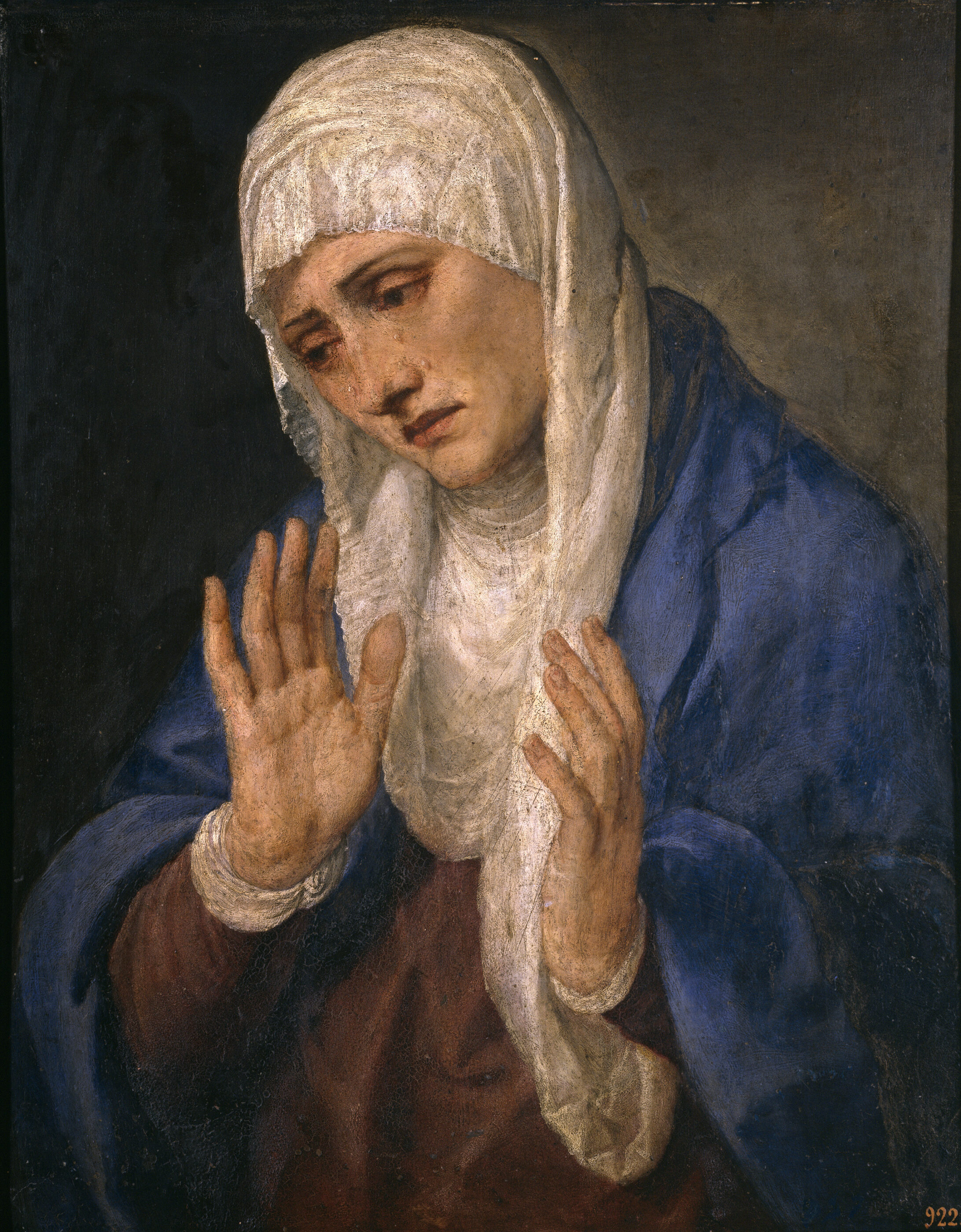
If we think of an expression that characterizes the drama of Mary’s life, we find as a commonplace “Our Lady of Sorrows”. This invocation, above all in times of sorrow such as the loss of a family member, of a friend, or the loss of a job, finds in Mary not the one who heals the sorrow but the one who lives the sorrow with us.
Our Lady of Sorrows evokes the feelings of the sword of sorrow that pierces all lives of all times. To find in Mary a presence in the heaviest moments, giving us comfort and infusing hope into us, is a gesture of mercy intimately associated with the injustice of the Passion of Jesus and with each individual person.

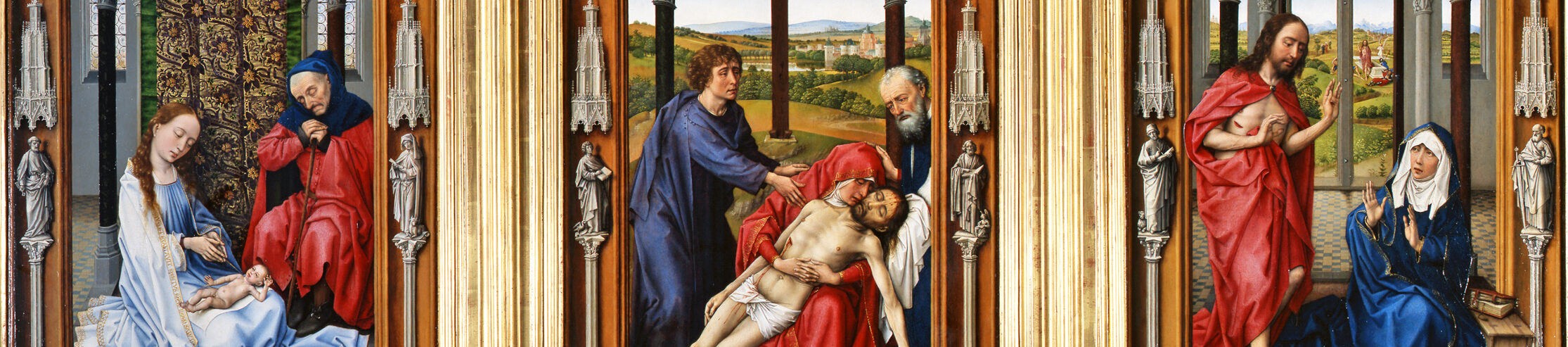
The Mother of sorrow has a profound spiritual meaning that we will seek to demonstrate. Whoever suffers finds in the mother a reflection of the divine compassion that becomes a unique and true consolation. Famous is the image of the Mother with the Son taken down from the cross upon her knees, above all because it allows us to draw near to the mystery of sorrow without being alone, but with a vision of faith that allows us to believe in a light. This explanation does not unfold within our rational sphere, but introduces us to the great paschal mystery, to the unjust death of Christ, where the instrument of sorrow became our salvation, Mary living this whole mystery at the side of the Son.
The Gospels indicate three moments concerning the sorrow lived by Mary: the prophecy of Simeon, the loss of the Child Jesus in the temple, the presence on Calvary beside the cross. Without entering into exegetical depths about these scriptural passages, I leave only the remark that these passages point constantly to the Passion-Resurrection of Jesus. A bitter and glorious event, where birth and death, defeat and victory, darkness and light, abandonment and encounter are fused in the eternal Christian paradox. With us it is also so: sorrow and hope, fear and faith. Which of us has not lived through moments like these, above all in these times, when our only hope is Christ and the presence of Mary who consoles us and teaches us to suffer with faith.
Mary is enveloped by this mystery beside the Son, where glory and sorrow appear to be understood only in the fiat of the Handmaid of the Lord, who does not cease to repeat it beside our cross. When we turn to Tradition, we find in the liturgy the figure of Mary as the ewe lamb that follows the lamb destined for the slaughterhouse. This image, however strange it may appear to us, indicates how Mary’s sorrow is not an isolated sorrow, closed within a desolation. Rather, she is a mother full of communion with the Son, who on the cross offers His life as a sacrifice of love for the salvation of humanity.
This image of Mary as the Woman of Sorrows beside the Man of sorrows is also pedagogical for us, because it makes us find the resurrection in the most painful moments of death. Mary’s tears are converted by faith into tears of hope for the promised Sunday of the Resurrection. This eminent hope touches us through the compassio Virginis, that is, our presence in the compassion of the Virgin toward Christ, who offers us life through His death.
The person and the mission of Mary in the mystery of the sorrow of Christians are also seen as the woman who is about to give birth and who cries out with the pains of labor, pierced by the sword of sorrow. This very strong image from the Mariological world acquires a meaning that does not leave us indifferent when we think of the Woman of Revelation 12. Let us think of ourselves as children of the Resurrection of a spiritual motherhood given by Christ on the cross to the beloved disciple, and at once we perceive the importance of this motherhood.
In the Catholic tradition we also have the devotion to the 7 sorrows of Mary, which has found great acceptance on the part of our society. They are: the prophecy of the sword (Lk 2:34-35), the flight into Egypt (Mt 2:13-14), the loss of Jesus in the temple (Lk 2:43-50), the meeting with Jesus on the way of Calvary (Lk 23:26-27), the presence of Mary beside the Cross (Jn 19:25-27), the deposition or Pietà (Mt 15:42), and the burial of Jesus (Jn 19:40-42a).
Against all doloristic interpretations, we find the Mother of Jesus concerned with the future of the Son and with the sorrows inflicted by people who, acting against them, were not able to understand the highest good. The attitude of Jesus and Mary before sorrow is not one of flight, passivity, or retaliation, but of spiritual acceptance and of profound transformation. The pedagogy of sorrow obliges us to take up evil responsibly and to place it within the Christian horizon of salvation, where every sorrow saves.
To deepen the devotion to Our Lady of Sorrows, consult the document of Paul VI: Marialis Cultus on the cult of Mary in the liturgical and devotional life of the Church.
Deepen your studies: explore Mariology, Marian Theology, Marian apparitions, and the Postgraduate Program in Mariology.
Postgraduate Program in Mariology
Would you like to deepen your formation in Mariology? Discover the Postgraduate Program in Mariology of Locus Mariologicus, an academic formation that unites theological rigor, spiritual life, and the living tradition of the Church.
Would you like to study Mariology seriously?
This article arises from the works of the library of Locus Mariologicus. The Postgraduate Program in Mariology takes you to the same source, with academic guidance: Scripture, the Fathers of the Church, and the Magisterium, from the first dogma to contemporary questions.


Responses