God in the form of a child
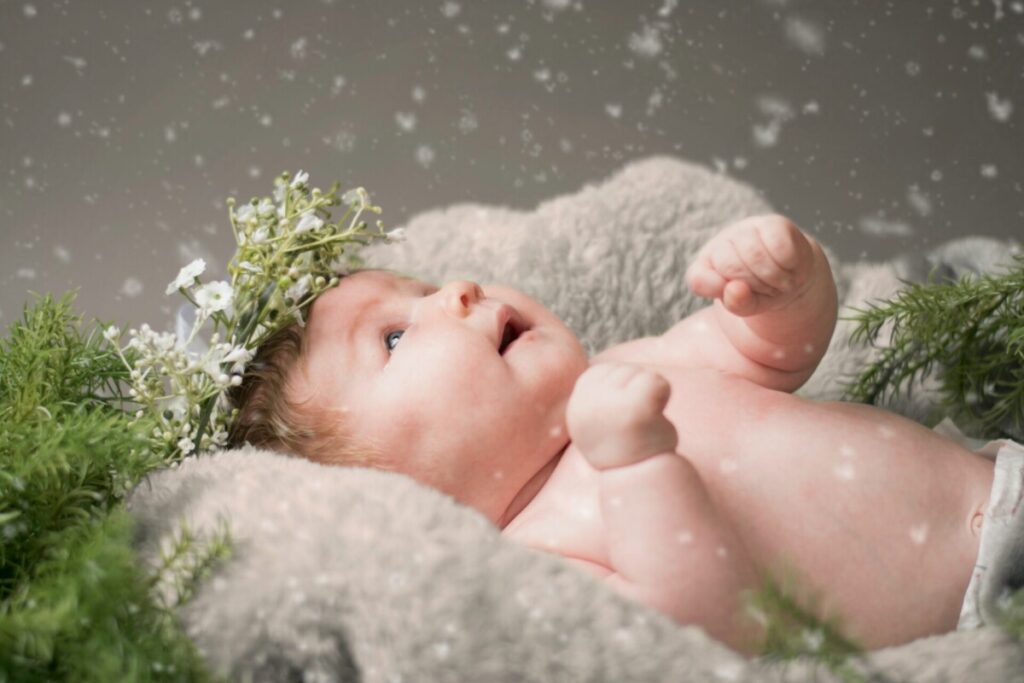
Incarnation: God in the form of a child and Mary in Balthasar’s contemplation
The Incarnation is the central mystery of the Christian faith, in which the eternal Word becomes God in the form of a child. This Incarnation, contemplated by Hans Urs von Balthasar, reveals Mary as Mother and model for the believer who welcomes the Incarnation in his own heart.
God in the form of a child: Mary and the mystery of the Incarnation

Over the coming days we will bring you some Christmas texts by the great theologian Hans Urs von Balthasar, certainly not to be missed.
Has the reader considered that God sent His eternal Word into the world in the form of a child?
It is important above all to understand what God wishes to tell us with this new way of speaking. Certainly, as always happens through His Word, He says something about Himself. In everything this child is and in everything He will become, as a youth, as a man, as a teacher and worker of miracles, as the one who keeps silent before the judge, as the scourged, despised, rejected one, as the one who cries out in the abandonment by God on the cross, as the one dead and buried, as the one who lives anew and eternally among the dead: in all this is the Word that God speaks, and speaks, truly, about Himself. If God is the truth par excellence, then necessarily every word He addresses to us and that comes from the center of truth must also be a statement about Him. If He is good par excellence, then He gives Himself to us in all those words that represent the life and passion, death and resurrection of Jesus. And if He is beauty par excellence, then the truth and the goodness that He speaks to us and gives us is always also a marvelous reality in the highest degree.

Since God is a little child, He says: in all my omnipotence, which I truly am and possess, I am at the same time as poor and humble and trustworthy as this Child, and even more, not only “as.” I truly am this child. And when Jesus teaches later on, He speaks of the last place that one must occupy, of serving, of giving one’s life for the brethren. And this not only as moral teaching for men, but as something that He Himself is and perceives, as a manifestation of the heart of God, of His Father. He does this, for this is how God is. And now the terrible part. When Jesus suffers for sinners and takes sin upon Himself, He no longer feels the Father and cries out like one who is abandoned, like one who dies thirsting for God: again, God too. “God so loved the world,” says the Good News, “that He gave His only Son for it,” until He reached the timeless state of abandonment by God. And when Jesus gives Himself out as food and drink: this is how God is. Yes, it is the Father who offers us this word and this flesh of God, bloodied, torn, mangled by men, as a share in His eternal life. And when the heart of Jesus is pierced and turned into an emptied hollow in which one can put a finger and, with it, the whole man, “Hide me within your wounds”: this is how God is. A wound that reaches His heart, and in which we are healed.
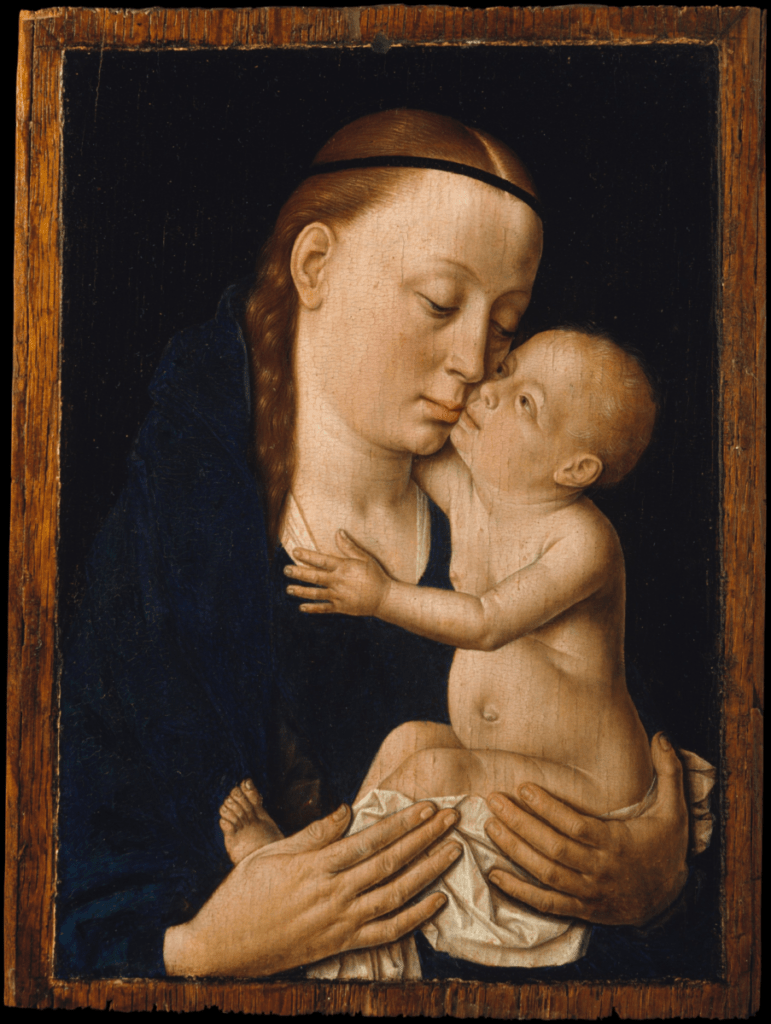
To say such things is not an exaggeration, but the simple perception of Christian meditation on the mystery of Christmas. The Word of God becomes flesh: flesh that He takes from the womb of the Mother, that then struggles for life, that must suffer horrors and die, but that in all its states and situations is the Word of God and in all of them tells us something of the essence of God.
Do we adore the flesh? No, we adore God alone. God, who is the one thing we certainly are not, God, the wholly Other, Being itself, the Almighty. But the one who was pleased to show us that He is omnipotent enough to be also powerless, blessed enough also to suffer, glorious enough to place Himself in the lowest place of His creation. And God does not act “as if”: as if He were humble and poor and a child. He IS.
Mary is the Mother of the Son of God made a child. To deepen the mystery of the Incarnation and the role of Mary, read the encyclical Redemptoris Mater by Saint John Paul II, on Mary in the economy of salvation.
Deepen your studies: explore Mariology, Marian Theology, Marian apparitions, and the Postgraduate Program in Mariology.
The Incarnation is the place where divine humility and the motherhood of Mary meet. To deepen the Incarnation in the light of Balthasarian spirituality means to rediscover that God in the form of a child continues to touch the world through the maternal mediation of the Virgin.
Postgraduate Program in Mariology
Would you like to deepen your formation in Mariology? Discover the Postgraduate Program in Mariology of Locus Mariologicus, an academic formation that unites theological rigor, spiritual life, and the living tradition of the Church.





Responses