Seventy times seven: Sir 27, Rom 14, and the parable of the unmerciful servant in Mt 18.
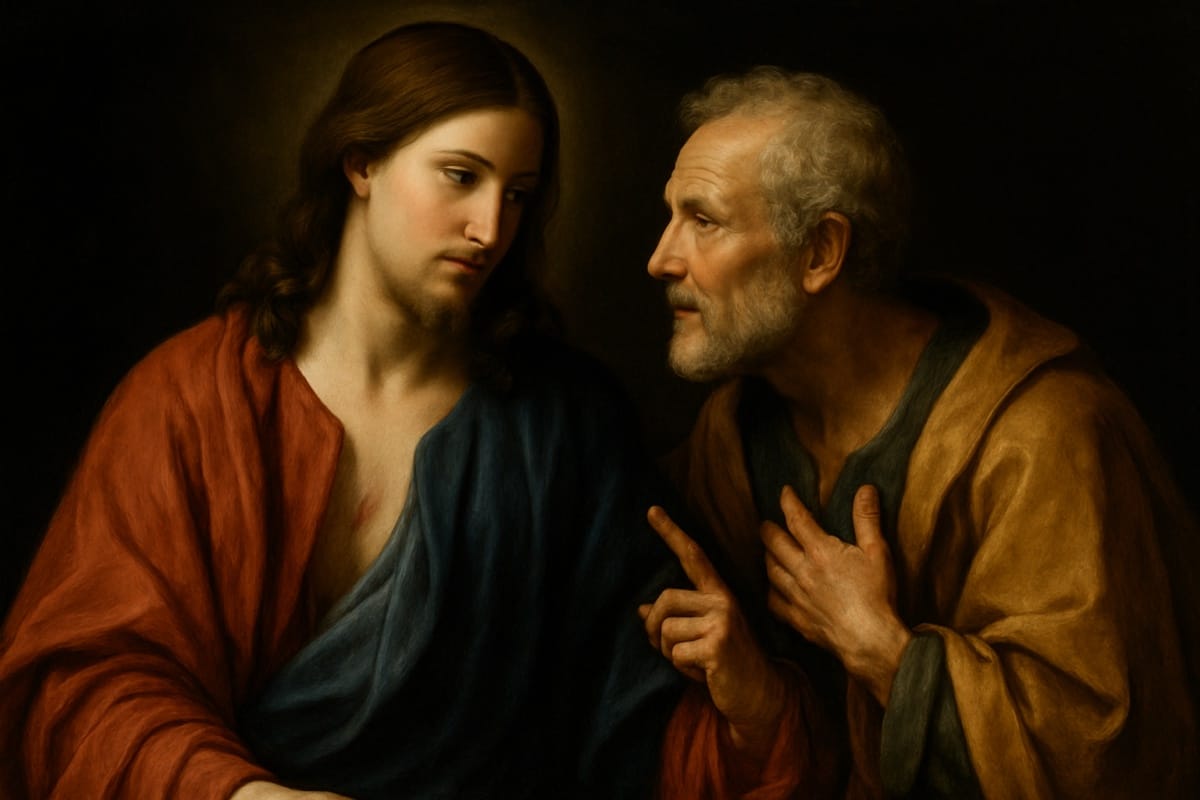
The twenty-fourth Sunday of Ordinary Time, Year A, articulates three texts around unlimited forgiveness. Sir 27:30-28:7 warns that anger and resentment are abominable and that forgiving others is a condition for receiving God’s forgiveness. Rom 14:7-9 teaches that none of us lives or dies for ourselves: we live and die for the Lord. Mt 18:21-35 answers Peter’s question on how many times one should forgive: not seven, but seventy times seven. And the parable of the servant who was forgiven ten thousand talents and then imprisoned for not forgiving a fellow servant one hundred denarii. The three texts converge: the forgiveness God offers is disproportionately greater than what is asked of us. And not forgiving after receiving such forgiveness is a contradiction that destroys the very one who is forgiven.
I. The first reading: Sir 27:30-28:7
Sirach begins with a diagnosis: «Anger and wrath are abominable: the sinner retains them within himself» (Sir 27:30). Resentment not only damages the relationship with another, it harms the one who holds onto it. And the connection with the divine: «Forgive your brother the evil he has done to you, and then, when you pray, your sins will be forgiven» (28:2). The Our Father lives here: «Forgive us our offenses, as we also forgive those who sin against us». Sirach adds a practical argument: «Remember the end of your life and cease your anger» (v.6). The memory of death empties anger: in the face of the end, the offenses received shrink. «Remember the commandments and do not harbor anger against your brother» (v.7). The memory of the alliance with God is the antidote to the breach of the alliance with the brother.
II. The second reading: Rom 14:7-9
Paul enunciates a fundamental orienting principle: «No one lives for himself and no one dies for himself» (Rom 14:7). Human existence is not a private project: it is inscribed in a network of relations that culminates in God. «If we live, we live for the Lord. If we die, we die for the Lord. Therefore, whether we live or die, we belong to the Lord» (v.8). And the Christological foundation: «For this very reason Christ died and rose again: to be Lord of the dead and of the living» (v.9). Whoever belongs to the living Lord cannot harbor resentment against the brother who also belongs to the same Lord. The unlimited forgiveness of Mt 18 has its foundation here: if we are of the same Lord, the offense of the brother is not the final horizon. The horizon is Christ, who died to be Lord of all.
III. The gospel: Mt 18:21-35
Peter asks: «Lord, how many times shall I forgive my brother when he sins against me? Up to seven times?» (Mt 18:21). Peter’s proposal is already generous: traditional Jewish teaching spoke of three times. Jesus responds: «I do not say to you, up to seven times, but up to seventy times seven» (v.22). The number is not literal: it is the dissolution of the limit. And then the parable that explains why.A king wants to settle accounts with his servants. One comes forward who owes him ten thousand talents, a sum astronomical, impossible to pay. The servant begs. The king, “out of compassion, released him and forgave his debt” (v.27). Leaving, this servant encounters a comrade who owes him a hundred denarii, a tiny fraction. He seizes him by the throat. The comrade begs with the same words. The servant refuses and has him imprisoned. The other servants, appalled, report to the king. The furious king hands the servant over to be tortured without mercy. Conclusion: “This is how my heavenly Father will treat you, if you do not forgive, each to his brother, from the heart” (v.35). The disparity, ten thousand talents vs. a hundred denarii, is the heart of the parable: what God forgives is immeasurably greater than what we are asked to forgive.IV. Mary and the Forgiveness of HeartThe Gospel records no complaint, no resentment, no accusation from Mary against anyone: not against Judas who betrayed the Son, nor Peter who denied Him, nor the soldiers who crucified Him, nor the leaders who condemned Him. This silence is eloquent: it is not the absence of feeling, but the presence of forgiveness. Mary lived Sir 27,30-28,7 without having read it: she did not harbor anger, did not nourish hatred, remembered the end and ceased enmity that others might have caused her. Rom 14,7-9 says that none of us lives or dies for himself: Mary lived this radically. Her whole life was for the Son and the Father. And the Assumption was the “dying to the Lord” that became full life in God. The parable of the servant without mercy raises the question of forgiveness “from the heart” (Mt 18,35). Mary forgave from the heart because the Magnificat reveals a heart that did not accumulate its own offenses: she rejoiced in God’s mercies, and whoever rejoices in received mercy cannot be without mercy towards his brother.
Graduate Studies in Mariology Do you want to deepen your formation in Mariology? Get to know the Graduate Program in Mariology from Locus Mariologicus – an academic formation that combines theological rigor, spiritual life, and the living tradition of the Church.




Responses